@HERE YOU GO
You use blue and red grow lights? Are you happy with them? I have one from a couple of years ago, but I feel like I'm getting better results with regular daylight 55Ws. I wonder if there's any use for the red LEDs if one is only growing plants that won't flower and fruit indoors (which in my case are all of them).
if your plants are like a caladium and snake plant then they can grow with basic light.
more importantly is the light cycle, if your plants are on an appropriate light cycle they will grow better in general.
i have my lamps plugged into a timer, they turn off at the same time every day.
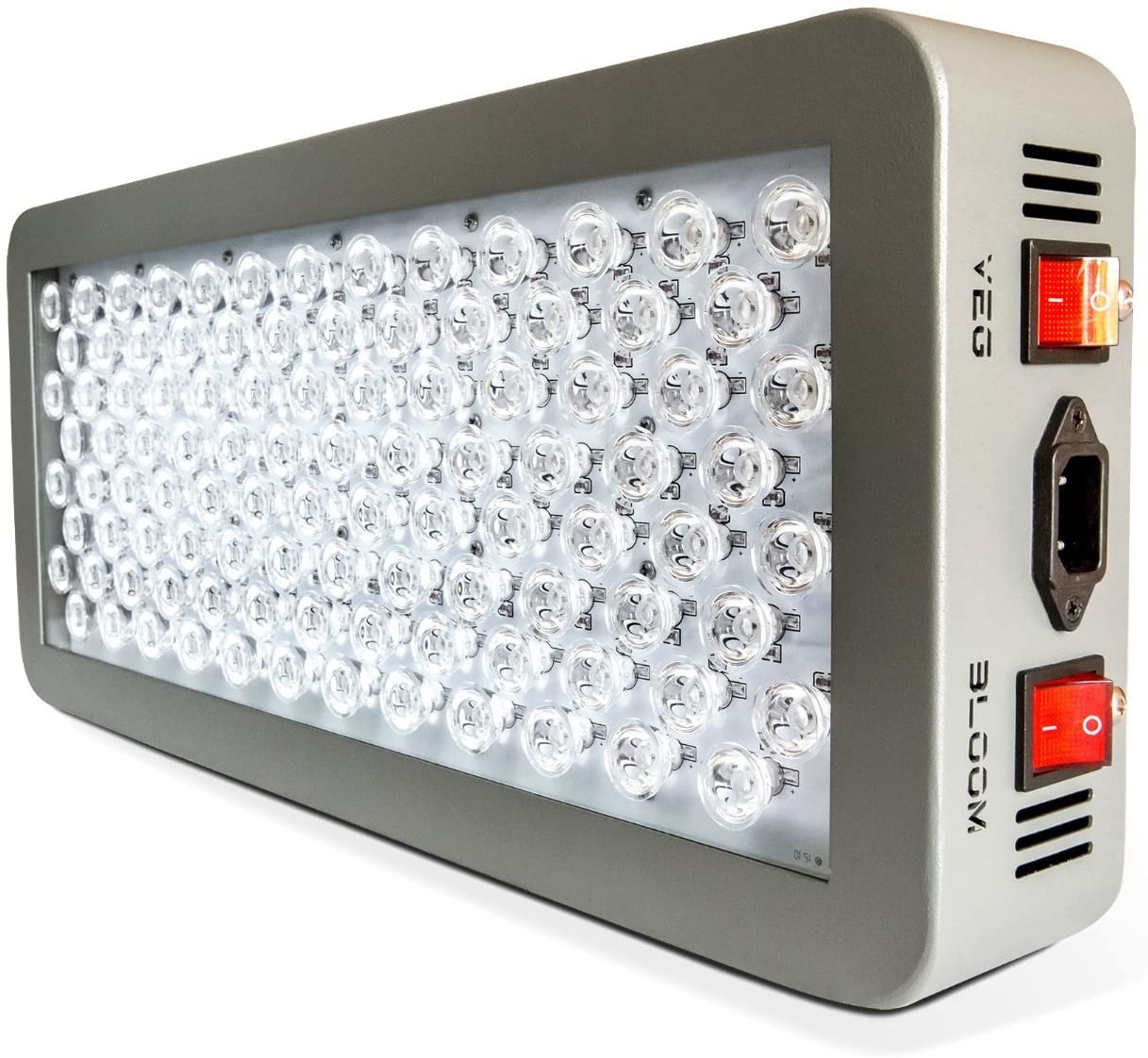
my best lamps are 300 watt 12-band LED grow lights, they used to be half the price they are now, so it seems like people like them.
beefy lamps like this are mostly for plants that need to fruit or flower, you can leave it on "veg mode" or "bloom mode".
the 300 watt 12-band LED light changes slightly when the 'bloom' switch is turned on, certain plants like this feature.
plants flower depending on how much light they are given everyday, not what spectrum of light they are exposed to.
that lamp looks like this:
alternatively i have small dome mounted lamps with 24 watt 6-band bulbs.
there is no flowering to vegetation switch on these like the 12-band has.
these work really well but they cover a lot less, the timers are the most important part though.
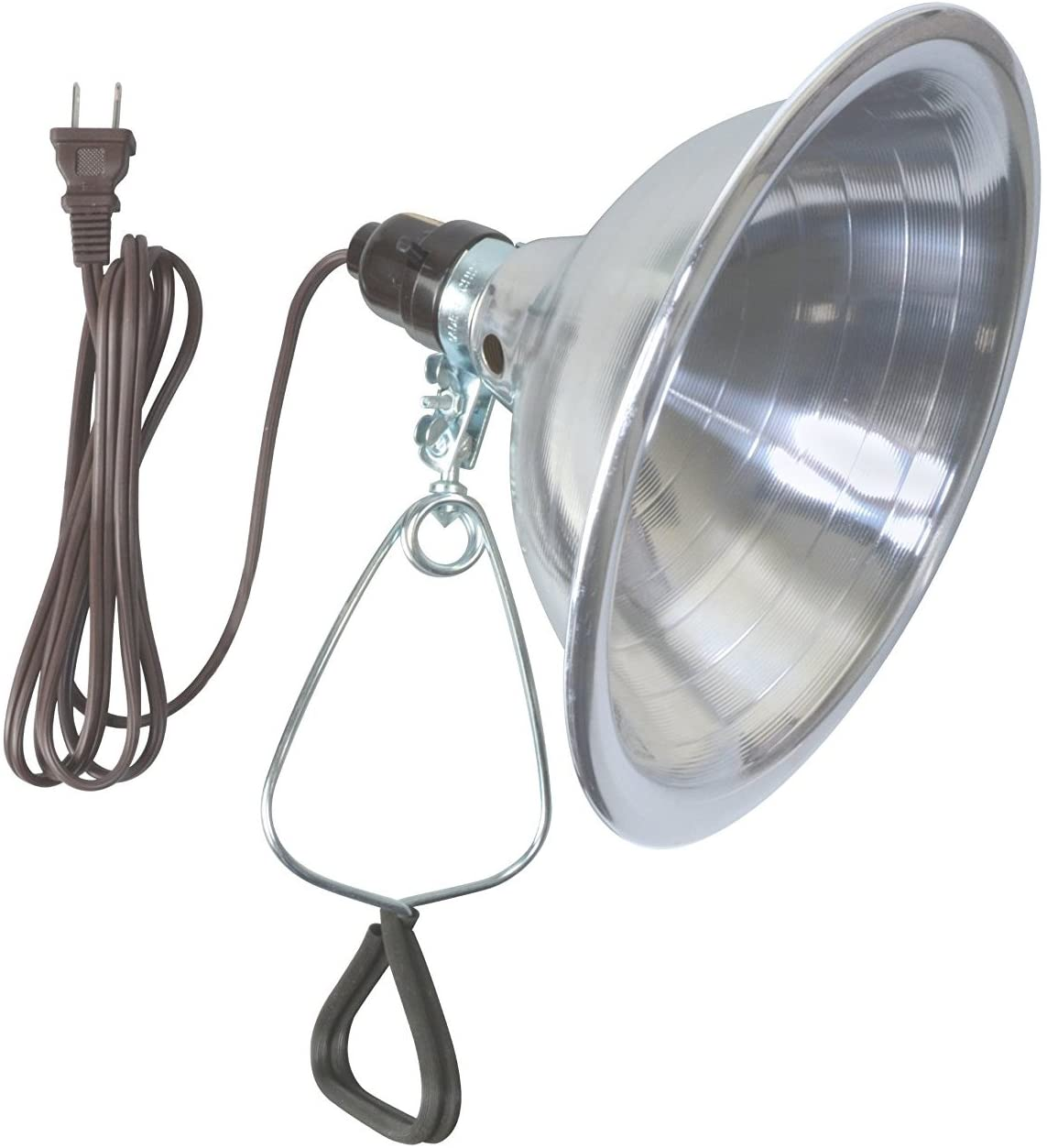
a bulb like this with a dome attachment goes a long way, but its downfall is how little space it covers.
you'll probably need to buy 4 of them to really cover a group of normal sized plants.
i suggest aiming them straight down above the plants and not at angles.
you may have to adjust the height of your lights when your plants get taller.
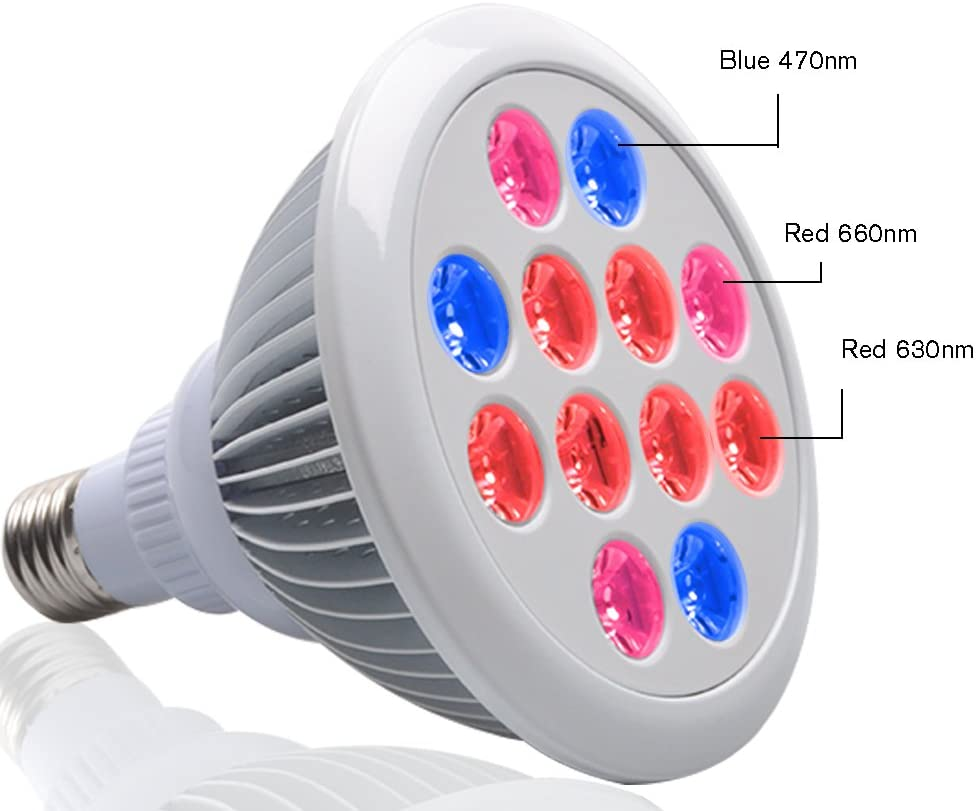
to answer your question, yes, i like them personally, the single 6-band bulbs are sold out on amazon and hard to find alternatives for.
i would try to plug your lamp into a timer even if it doesn't need full spectrum light. most plants like about 16 hours of daylight for vegetating.
every time you move a plant into a new area it has to establish it's light cycle differently and this weakens the plant.
( plants aren't supposed to get up and walk around so when you move them, they actually have to adjust )
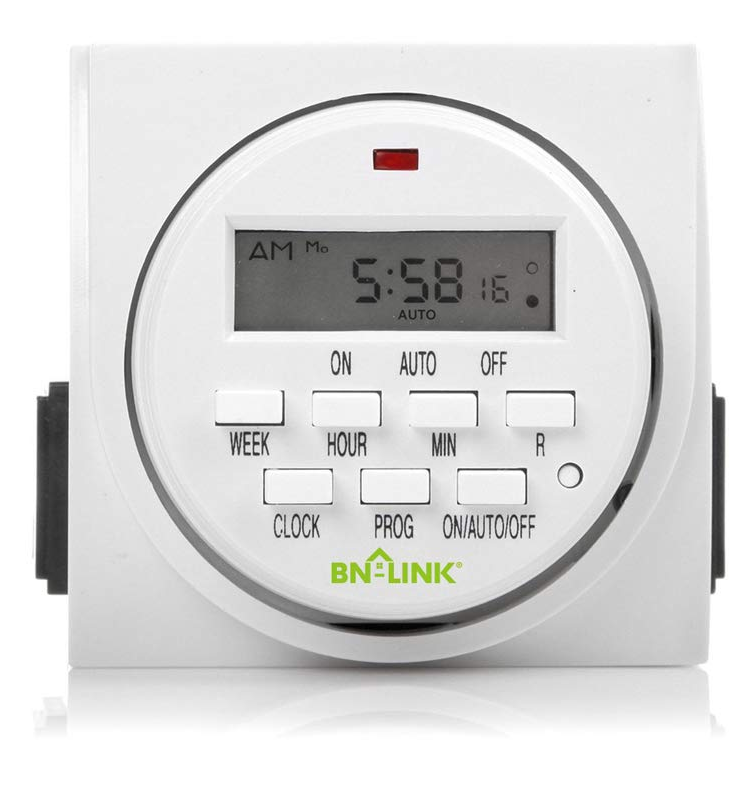
you would need to plug your light into a timer like this and plug the timer into a wall socket.
you might need extension cords to use it.
plants really like light cycles, so when you forget to manually turn on their light it's not very good for them.
the timer really helps, you just make sure it shuts off at the right time.
this socket timer i suggested can turn on at specific days and times, you can have it turn on/off only on monday if you want.
the UV light can damage/temporarily alter your vision so i don't advise them to be in an open area of your house.
some plants hermaphrodite when exposed to awkward cycles of light so consider how much external light is getting into your plant room.
+1, starting Asclepias from seed is a colossal pain in the ass. We're lucky if we can get 40% of it to germinate.
i have a ton of milkweed seeds myself, milkweed coma is the fluff attached to the seeds that carry them in the wind.
the milkweed coma can roll up similar to cotton, and one milkweed pod produces a ton of it, meaning it has multiple uses similar to cotton.
needle felting can be done with milkweed coma for example, a plant alternative to roven wool.
i personally think milkweed grows best by rhizome, judging by how i see it in the wilderness.
it makes long tube like roots and shoots up new stalks of milkweed the longer the root gets.
milkweed transplants horribly, its milky toxic stalks are very fragile, and i have never moved a milkweed that didn't die.
keep it when it dies, it is rebuilding rhizomes, it will shoot up another stalk and try again so long as it doesn't rot at the roots.
milkweed comes back every year, even in states that freeze, it's wild where i'm from and colder states are better candidates for milkweed because hot temperatures alter the toxicity of milkweed, causing adverse fatal effects on monarch larvae trying to eat it.
hot states may be able to grow milkweed, but the hot temperatures are growing milkweeds that are too toxic for monarch larvae.
i've found bird nests very tightly woven together hanging from trees full of milkweed coma, they use the fibers to stay warm and poke it into their nest a million times until it's a big wooly ball hanging from a tree.


