https://www.technologynetworks.com/...-smoke-linked-to-sperm-quality-decline-405418
https://archive.is/PPmIr
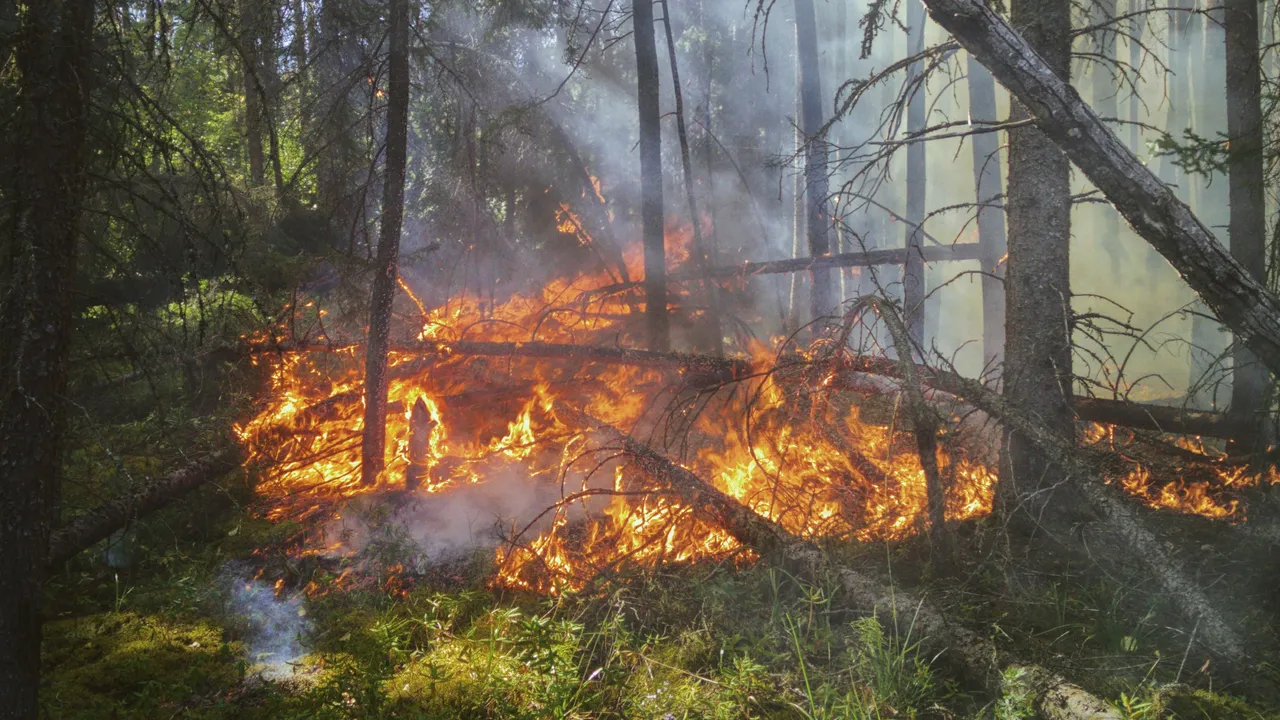
As wildfires grow more frequent across the U.S. and Canada, their hidden toll may extend into the fertility clinic. A new study from UW Medicine suggests that wildfire smoke exposure may reduce key measures of sperm quality in patients undergoing fertility treatments.
The research, published in Fertility and Sterility, encompassed an analysis of semen samples from 84 men who provided sperm for intrauterine insemination procedures between 2018 and 2022. Major wildfire smoke events in the Seattle area occurred in 2018, 2020 and 2022. By comparing semen analyses collected before and during wildfire seasons, the researchers were able to track changes in sperm health.
“This study takes advantage of our institution’s location in the Puget Sound region, where wildfire smoke events create distinct pre- and post-exposure periods in a natural experiment to examine how a sudden, temporary decline in air quality influences semen parameters,” the authors wrote.
The team found consistent declines in sperm concentration, total sperm count, total motile (movement-capable) sperm count, and total progressively motile sperm count during wildfire smoke exposure. One measure, the percentage of progressively motile sperm, showed a slight increase, though it was not enough to offset the overall reductions in sperm quality.
Subjects served as their own control in this retrospective analysis of medical records across the smoke-event years. Findings were consistent across different wildfire years, showing that the results were not outliers, the authors added.
“These results reinforce growing evidence that environmental exposures — specifically wildfire smoke — can affect reproductive health,” said senior author, Dr. Tristan Nicholson, an assistant professor of urology in the University of Washington School of Medicine and a reproductive urologist at the UW Medicine’s Men’s Health Center. Her patients are primarily men with infertility issues.
The results align with prior smaller studies led by Oregon Health & Sciences University, which linked air pollution and wildfire smoke to impaired reproductive health. This underscores the need for further investigation, Nicholson said.
“As we see more frequent and intense wildfire events, understanding how smoke exposure impacts reproductive health is critical.”
Exposure to the very small particles in wildfire smoke has been linked to respiratory problems, heart attack, stroke, lung cancer and cognitive impairment. But the impact of the smoke exposure on human male fertility has not been well-characterized in the scientific literature.
The researchers suggested that further study is needed of wildfire smoke’s impact on reproductive age, men versus women, and what happens to individuals trying to conceive if one or both have had wildfire smoke exposure.
Although the study was not designed to evaluate the impact of wildfire smoke on reproductive outcomes, the pregnancy rate was 11% in the cohort of women with partners in this study, and the live birth rate was 9%, which tracks with similar rates previously published in literature and at the center, the authors note.
One question unanswered by this study: Do sperm counts bounce back after smoke exposures? "We are very interested in how and when sperm counts recover after wildfire smoke exposure,” Nicholson said. “Currently we are conducting a prospective pilot study of men in the Seattle area to evaluate how wildfire smoke affects sperm quality.”
She also has a joint appointment with the UW Department of Environmental & Occupational Health Sciences (DEOHS) in the School of Public Health. Nicholson is also a scholar in the UW Pediatric and Reproductive Environmental Health Scholars K12 program and a member of the UW Pediatric Environmental Health Specialty Unit.
Reference: Lindell LX, Holt SK, Petersen E, et al. Wildfire smoke exposure is associated with decreased sperm concentration and total motile sperm count. Fertil Steril. 2025. doi: 10.1016/j.fertnstert.2025.08.031
This article has been republished from the following materials. Note: material may have been edited for length and content. For further information, please contact the cited source. Our press release publishing policy can be accessed here.

https://archive.is/PPmIr
As wildfires grow more frequent across the U.S. and Canada, their hidden toll may extend into the fertility clinic. A new study from UW Medicine suggests that wildfire smoke exposure may reduce key measures of sperm quality in patients undergoing fertility treatments.
The research, published in Fertility and Sterility, encompassed an analysis of semen samples from 84 men who provided sperm for intrauterine insemination procedures between 2018 and 2022. Major wildfire smoke events in the Seattle area occurred in 2018, 2020 and 2022. By comparing semen analyses collected before and during wildfire seasons, the researchers were able to track changes in sperm health.
“This study takes advantage of our institution’s location in the Puget Sound region, where wildfire smoke events create distinct pre- and post-exposure periods in a natural experiment to examine how a sudden, temporary decline in air quality influences semen parameters,” the authors wrote.
The team found consistent declines in sperm concentration, total sperm count, total motile (movement-capable) sperm count, and total progressively motile sperm count during wildfire smoke exposure. One measure, the percentage of progressively motile sperm, showed a slight increase, though it was not enough to offset the overall reductions in sperm quality.
Subjects served as their own control in this retrospective analysis of medical records across the smoke-event years. Findings were consistent across different wildfire years, showing that the results were not outliers, the authors added.
“These results reinforce growing evidence that environmental exposures — specifically wildfire smoke — can affect reproductive health,” said senior author, Dr. Tristan Nicholson, an assistant professor of urology in the University of Washington School of Medicine and a reproductive urologist at the UW Medicine’s Men’s Health Center. Her patients are primarily men with infertility issues.
The results align with prior smaller studies led by Oregon Health & Sciences University, which linked air pollution and wildfire smoke to impaired reproductive health. This underscores the need for further investigation, Nicholson said.
“As we see more frequent and intense wildfire events, understanding how smoke exposure impacts reproductive health is critical.”
Exposure to the very small particles in wildfire smoke has been linked to respiratory problems, heart attack, stroke, lung cancer and cognitive impairment. But the impact of the smoke exposure on human male fertility has not been well-characterized in the scientific literature.
The researchers suggested that further study is needed of wildfire smoke’s impact on reproductive age, men versus women, and what happens to individuals trying to conceive if one or both have had wildfire smoke exposure.
Although the study was not designed to evaluate the impact of wildfire smoke on reproductive outcomes, the pregnancy rate was 11% in the cohort of women with partners in this study, and the live birth rate was 9%, which tracks with similar rates previously published in literature and at the center, the authors note.
One question unanswered by this study: Do sperm counts bounce back after smoke exposures? "We are very interested in how and when sperm counts recover after wildfire smoke exposure,” Nicholson said. “Currently we are conducting a prospective pilot study of men in the Seattle area to evaluate how wildfire smoke affects sperm quality.”
She also has a joint appointment with the UW Department of Environmental & Occupational Health Sciences (DEOHS) in the School of Public Health. Nicholson is also a scholar in the UW Pediatric and Reproductive Environmental Health Scholars K12 program and a member of the UW Pediatric Environmental Health Specialty Unit.
Reference: Lindell LX, Holt SK, Petersen E, et al. Wildfire smoke exposure is associated with decreased sperm concentration and total motile sperm count. Fertil Steril. 2025. doi: 10.1016/j.fertnstert.2025.08.031
This article has been republished from the following materials. Note: material may have been edited for length and content. For further information, please contact the cited source. Our press release publishing policy can be accessed here.
