http://www.npr.org/sections/paralle...-election-and-the-role-geert-wilders-may-playAfter the United Kingdom's vote to leave the European Union and Donald Trump's U.S. victory last year, political analysts wonder if populism will gain ground on the European continent amid the impact of a migration crisis and dissatisfaction with the European Union. With elections approaching in France, Germany and the Netherlands, the question has gained urgency.
The answer may start to become clearer Wednesday, when the first of these elections takes place and Dutch voters head to the polls. Among the front-runners in the Netherlands parliamentary election is Geert Wilders' right-wing Freedom Party.
PARALLELS
For 'Dutch Donald Trump,' A Surge In Popularity Before March Elections
Wilders, who's been compared to Trump by the Dutch press and some voters, is a colorful figure, known for his bleached-blond pompadour and extreme rhetoric. He has been running an anti-Islam, anti-immigrant "Holland First"-style campaign and has vowed to "make the Netherlands ours again." The Freedom Party had been leading in the polls, but recently slipped.
So how much does Wilders matter? Two political analysts in Amsterdam weigh in. André Krouwel is a political scientist at the Free University of Amsterdam and Emilie Van Outeren, a political reporter with NRC, a leading Dutch newspaper, spent five months in the U.S. covering the presidential race. Their responses have been condensed and edited for space.
Who are Wilders' supporters?
Krouwel: He actually mobilizes quite a broad range of people. There's a lot of older voters who feel very insecure about how this country is changing with immigration. They feel like the undeserving are coming into our country, taking away or undermining our welfare state, our healthcare.
The other group is people who are at the lower end of the labor market and they feel threatened by labor immigration. Then there's, of course, just people who think that Dutch culture is going down the drain by immigration. They don't like the multicultural society, or they feel like their neighborhood is changing too much.
Do you see any connections between the concerns of these voters and some of the concerns that played out in the Brexit vote and Trump victory?
Krouwel: I think they're exactly the same people. They are people who not necessarily are poor, but actually have a lot to lose. Trump voters, they earned over $70,000 per annum. You see a large part of the Wilders vote, they're earning a lot of money. Most of them earn more this year than last year, but they feel that they might lose everything. So, it's not what they have, it's what they think they might lose.
How does the European migration crisis, the refugee crisis, fit into this?
Krouwel: If every night you see hordes of people [on TV] walking down roads with whole families moving this way, people feel anxious about it. They feel like hordes of immigrants and refugees are coming into our country and we're swamped by them. That's also the language that Wilders is using, that we're [being] taken over and we have to take back our country.
Is Wilders the Dutch Donald Trump?
Van Outeren: No, he's so establishment. He's never held a job outside of the government. Trump's appeal was obviously that he was an outsider and this was a change election for the United States.
What you do see is the language. That's something that they definitely have in common and this nativist idea, Trump's slogan "America First." Wilders has made his slogan "Let's Make the Netherlands Ours Again."
So there are a lot of similarities, but not as many as people might think. And then there's the hair, of course.
If Wilders were to get the most votes, what kind of impact would that have in the Netherlands?
Van Outeren: What is new is that in this campaign, other parties have already said they exclude governing with Wilders. So what it will mean is that if his anti-immigration, anti-Islam, anti-EU narrative wins and draws people to the polls, then that says something to the leaders of all these other parties — and they will run a very different government with him as a huge opposition force than they will if he comes in third.
How significant is this election in the broader Western context?
Krouwel: If you see Brexit, which is an anti-elite vote, if you see Trump beating the hell out of the Democrats, you can see that, wow! Two times, the whole establishment is put to shame.
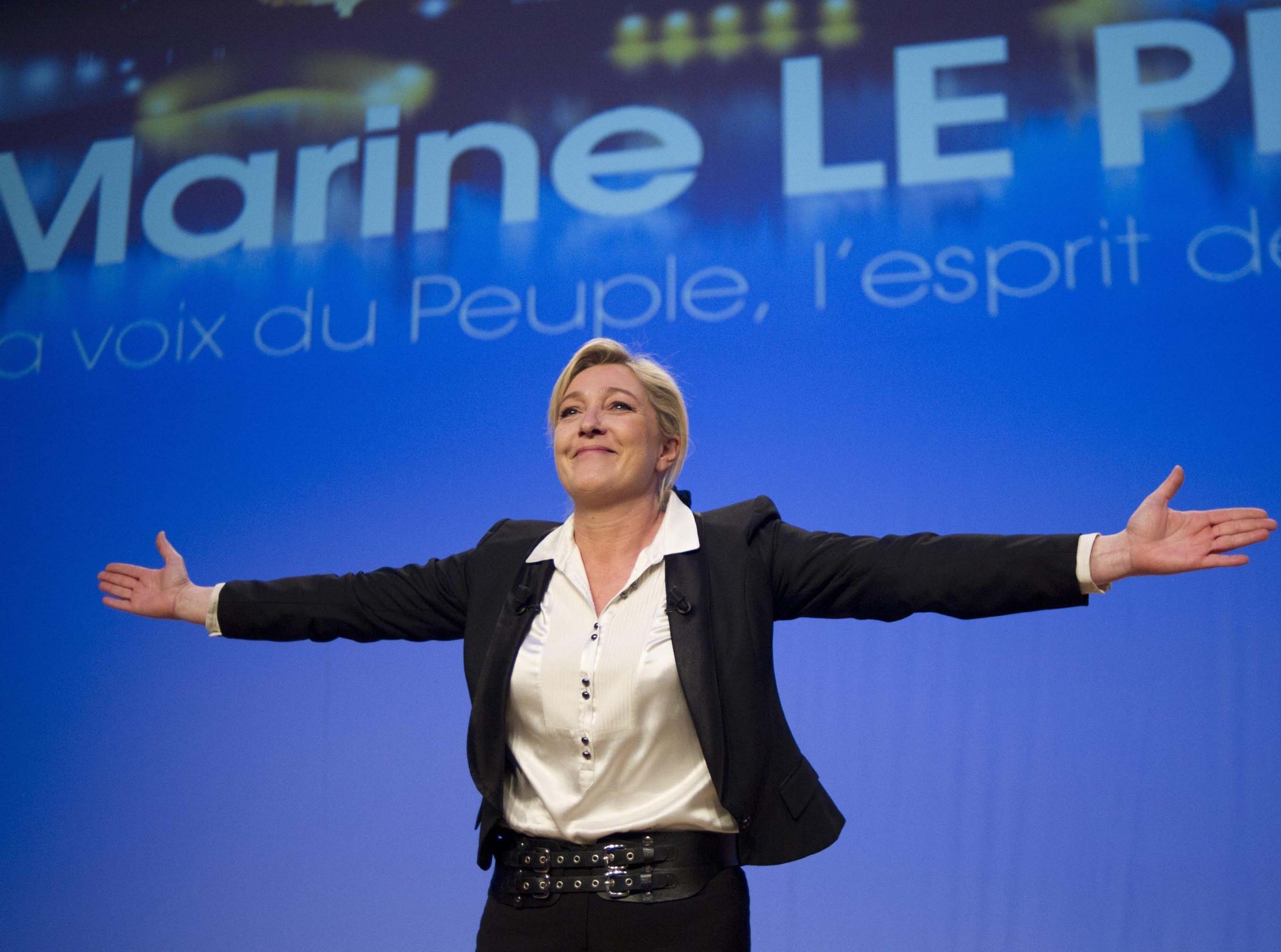
If Wilders also succeeds and then in France, [National Front leader] Marine Le Pen wins in the summer, and then in Germany, the anti-immigration [Alternative for Germany] party does, well, yeah, then I would be really worried.
What I think will happen is that Wilders will not be first, but second or third — not play a role in government. In Germany, the Social Democrats will probably be big and govern with the Christian Democrats, very normal coalition. Le Pen will not be president of France, so I think, come early 2018, it has all blown over. But then again, a small thing can happen. What do you fear most in politics? Events, because they can change the course of history.

http://www.bbc.com/news/world-europe-39275194oters are due to go to the polls across the Netherlands in a closely watched general election.
The race, dominated by PM Mark Rutte's centre-right party and that of anti-immigrant politician Geert Wilders, is seen as a test of nationalist feeling.
Mr Rutte has said the election is an opportunity for voters to "beat the wrong sort of populism".
Mr Wilders has pledged to take the Netherlands out of the EU, close all mosques and ban the Koran.
His Freedom Party had been leading in opinion polls but they have since suggested his support may be slipping.
Wednesday's election also comes amid a diplomatic spat between the Netherlands and Turkey.
Wednesday's vote is the first of three significant elections in Europe this year - in the Netherlands, France and Germany - where the power of populist parties will be put to the test.
Image copyrightREUTERS
Image captionProtracted coalition talks are expected after the results are announced
The BBC's Damian Grammaticas in The Hague says that while a populist surge is still possible in Wednesday's election, a host of other parties could also do well, leaving Dutch politics fragmented.
As parliamentary seats are allocated in exact proportion to a party's vote share and no major party wants to be in a coalition with Mr Wilders, he has little chance of entering government however well he performs, our correspondent says.
In the run-up to the vote, party leaders took part in televised debates, with Mr Rutte and Mr Wilders clashing over how to stem immigration.
Mr Rutte dismissed Mr Wilders' plan to close borders and mosques and to ban the Koran as "fake solutions". Mr Wilders accused Mr Rutte of providing better healthcare for immigrants than for the Dutch themselves.
Labour Party leader Lodewijk Asscher called Mr Wilders a man of "10,000 angry tweets and no solutions".
Image copyrightAP
Image captionA protest by hundreds of Dutch-Turks in Rotterdam ended in chaos
The row with Turkey followed Mr Rutte's decision to ban two Turkish ministers from addressing rallies in the country. In response, Turkish President Recep Tayyip Erdogan accused the Netherlands of being "Nazi remnants".
Mr Wilders described protesters who rioted outside the Turkish consulate in Rotterdam at the weekend as "scum".
One opinion poll suggested that the spat, and the riots in Rotterdam, had given anti-immigrant parties a boost.
Wednesday's election is expected to be followed by protracted coalition talks.
Analysts say a strong showing for Mr Wilders could foreshadow next month's presidential election in France, where far-right, anti-EU contender Marine Le Pen has widespread support, and September's election in Germany, where another right-wing party, Alternative for Germany, is expected to win seats for the first time
tldr: rutte and wilders fighting for control of the netherlands.
everyone else doesn't matter
also people care now because truuuuuuuuuuuuump
and turkroaches