As promised, here is some of my first arrivals from my recent ancients pickups. I am no skilled photographer so you'll have to forgive the photo quality.
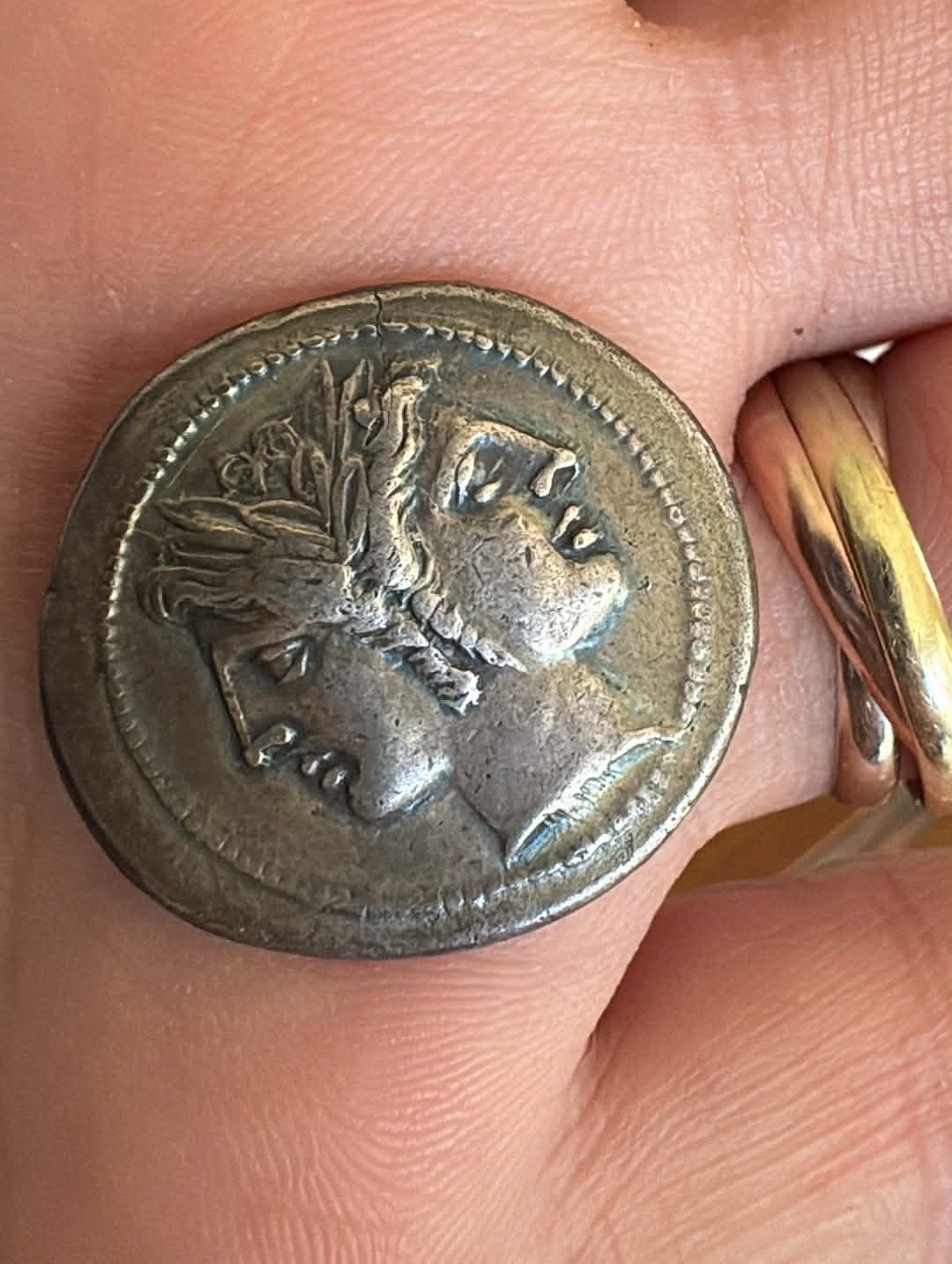
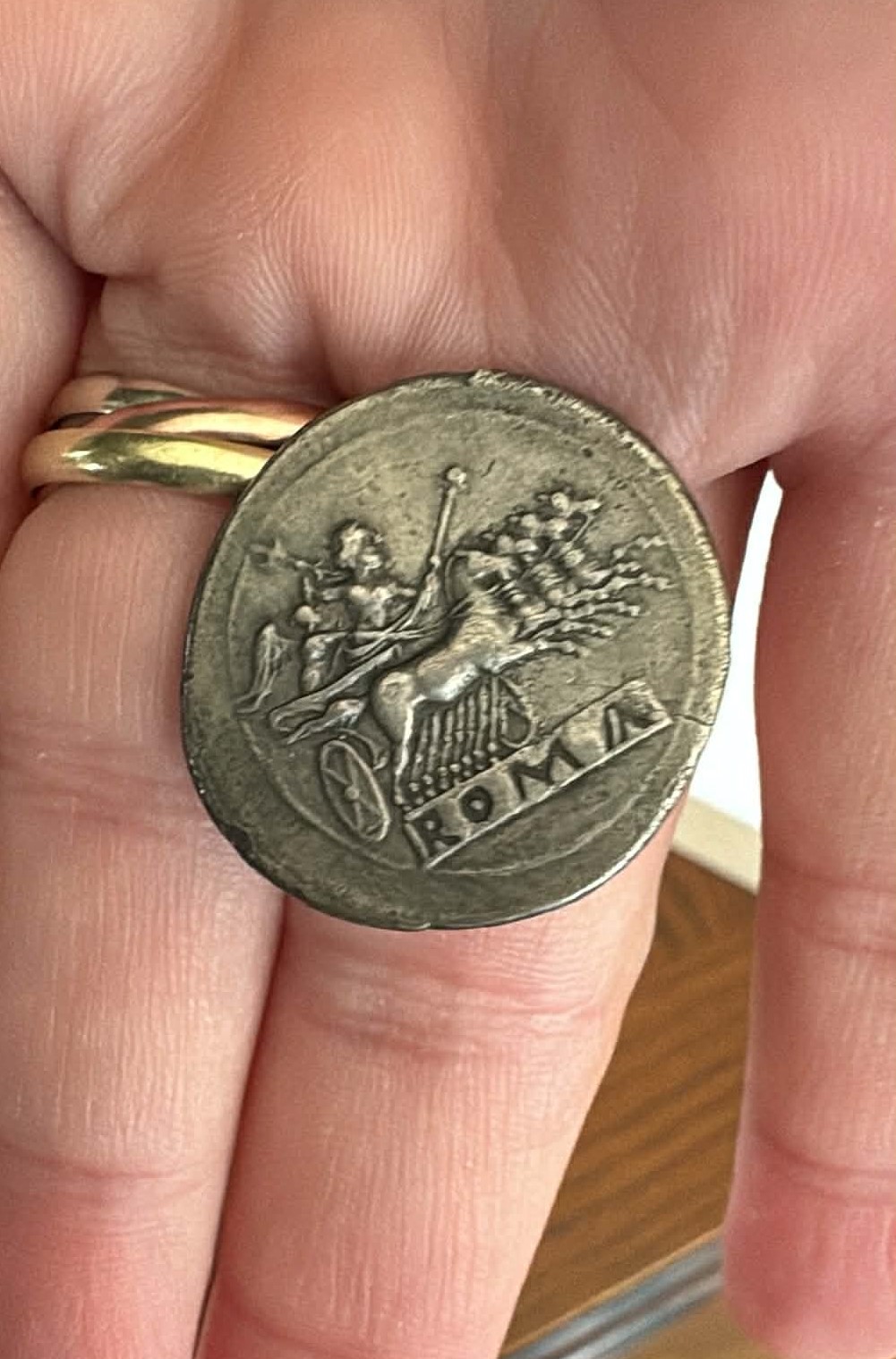
The First coin is a Roman Republic Quadrigatus or Didrachm (Crawford 28[3] Sear 33) . It was minted during the second Punic war, sometime between 215-213 BC. for context this would be around the time Hannibal was in southern Italy razing anything not behind walls , and one year after the slaughter that was Cannae. The obverse is of the god Janus and the reverse is of Jupiter holding a lighting bolt and a scepter while the goddess Victoria is driving the Quadriga, and finaly at the exergue is the word ROMA representing where the coin was minted.
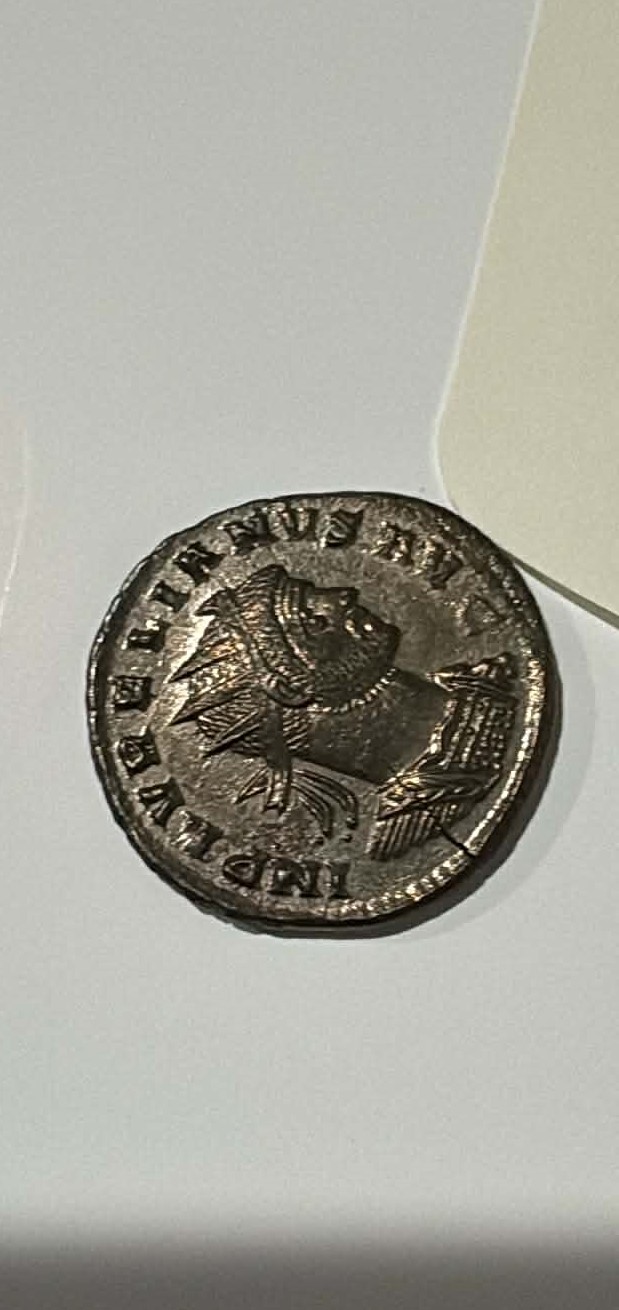
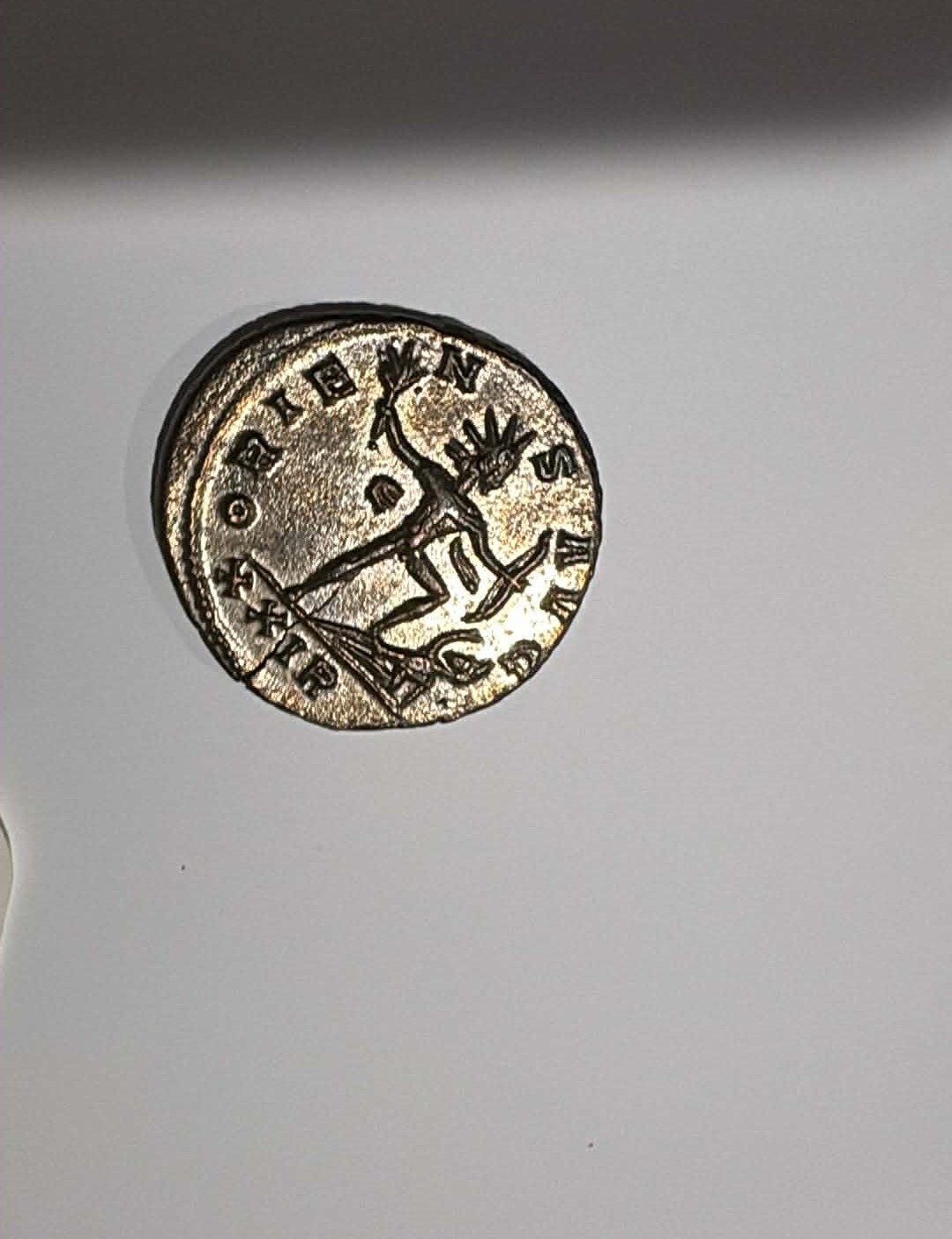
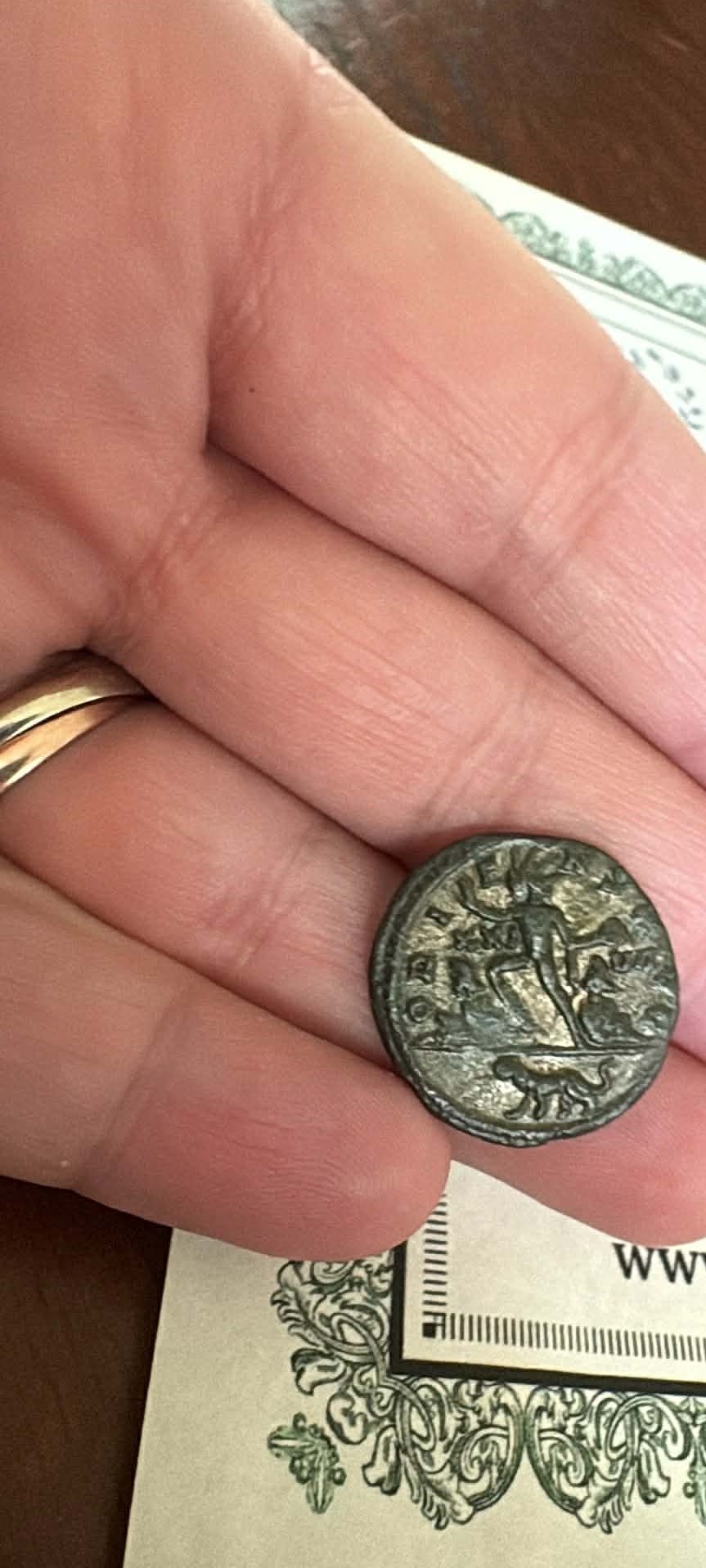
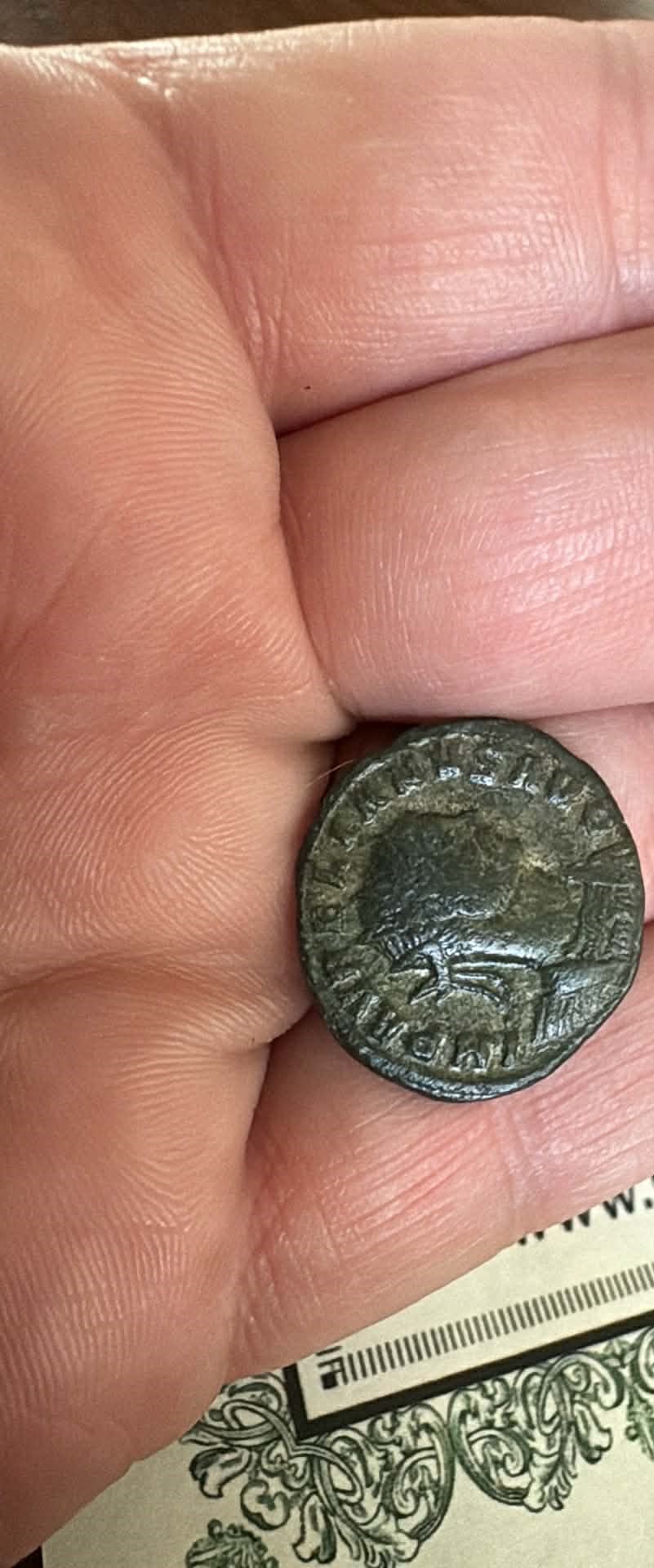
The next coin is a billon Aurelianus of Sol holding an olive branch and a bow treading down on a captive with the inscription ORIENS AVG or The rising sun emperor (Ric V Aurelian 64). This was minted for his victories over the Palmyrene Empire. The coin was produced in the Roman mint via the mint mark XXIR. The reverse is a portrait of Aurelian followed by some his titles IMP AURELIANUS AVG or Imperator Aurelianus Augustus. I Personally think it a stunning example, unfortunately it does have a decent size flan crack, but It just gives the coin more character. For those that are curious a flan crack are caused from excess stress during the striking of the coin, and billon is just a alloy mix of silver and copper in reference to this coin its something like 5- 2,5 % silver the rest being copper.
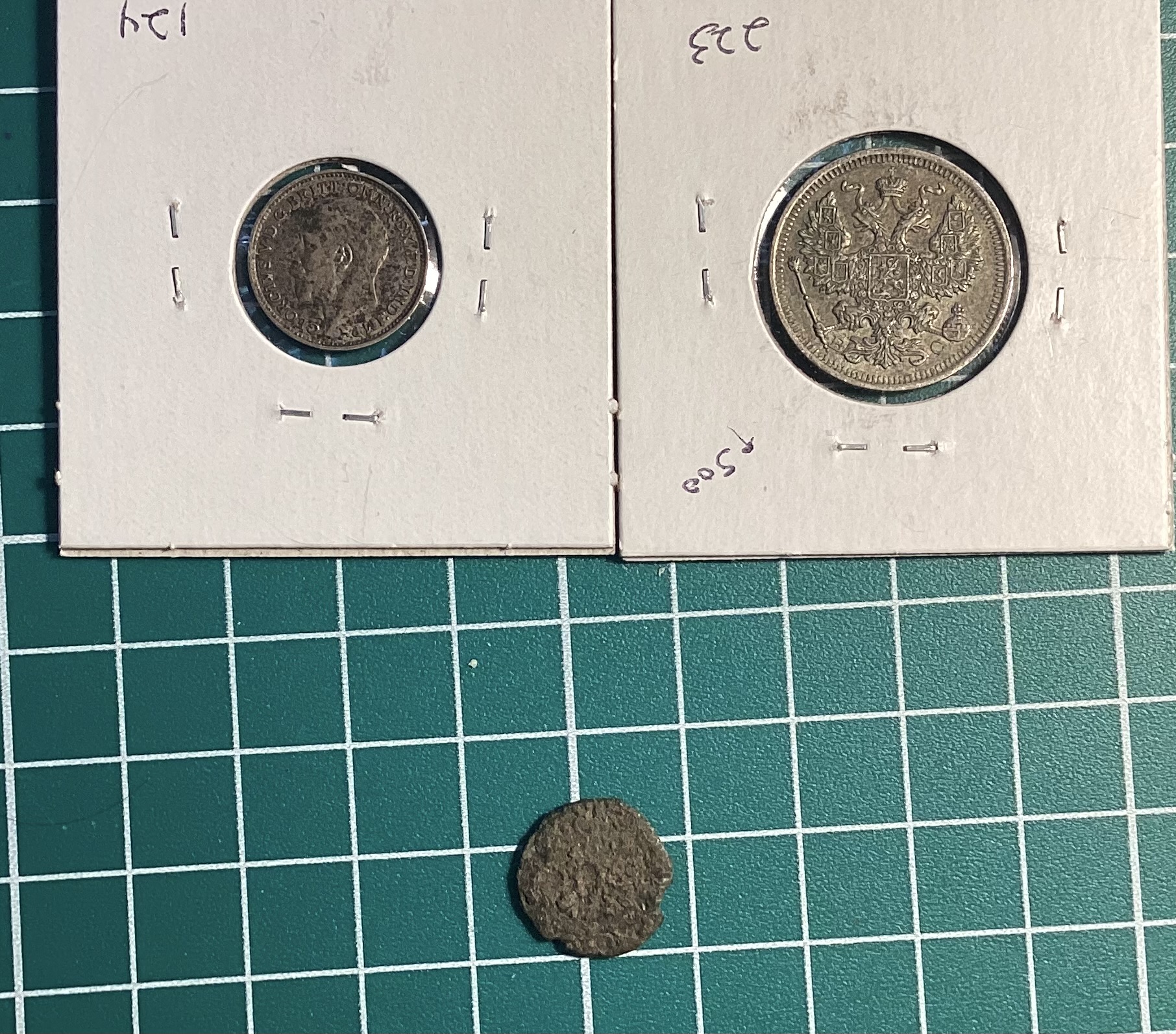
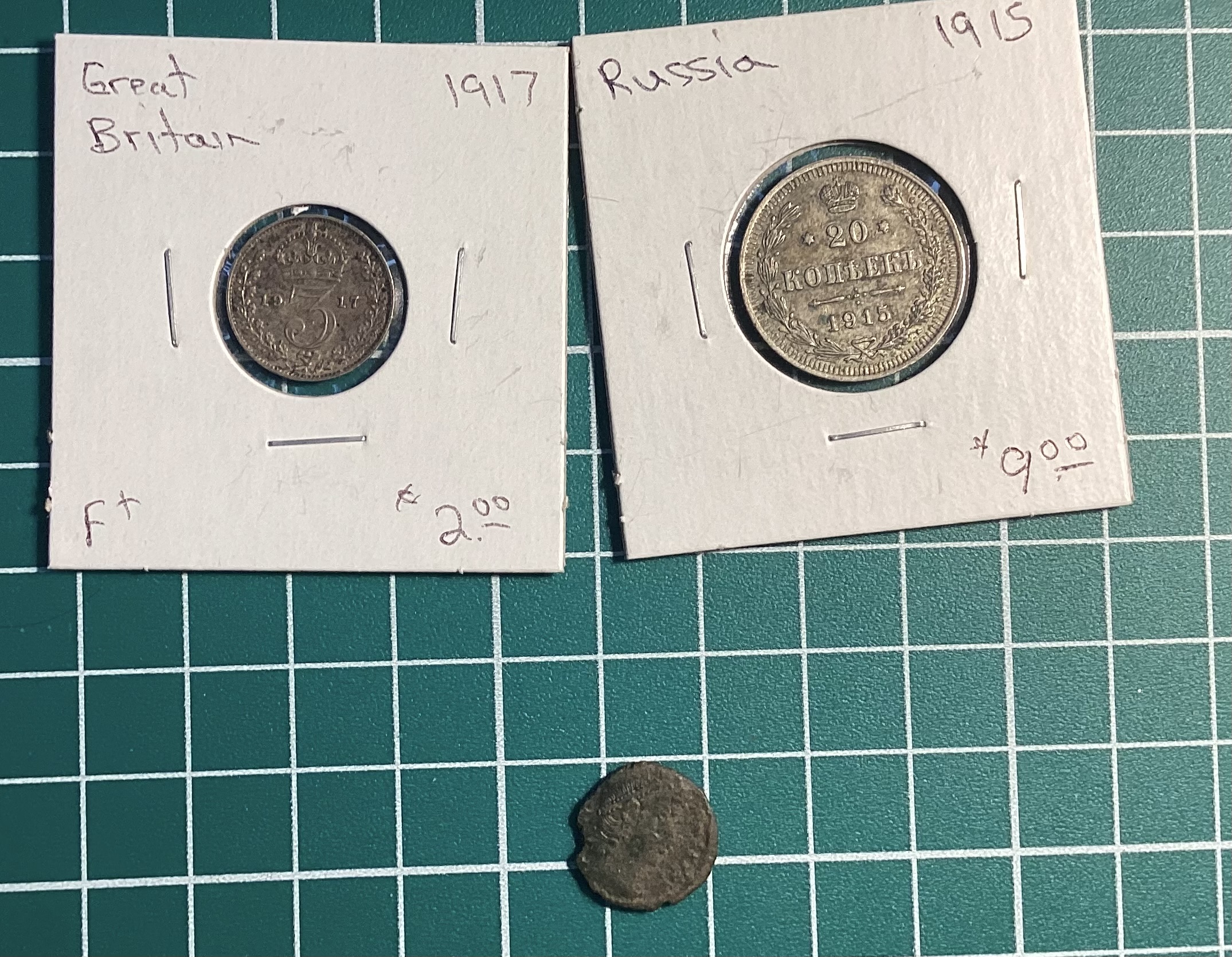
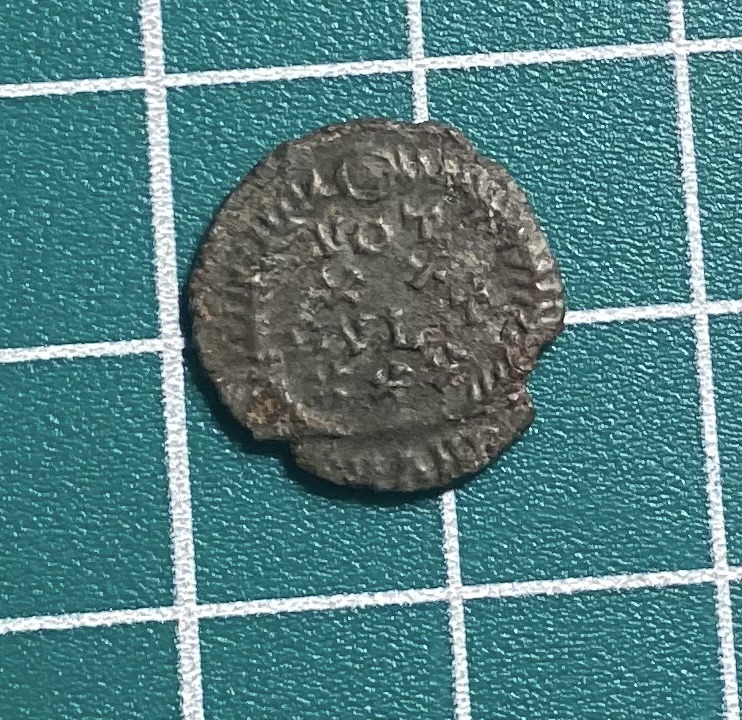
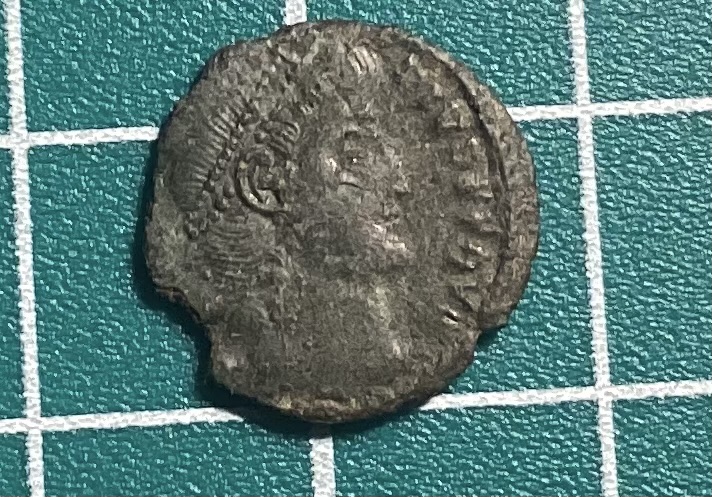
After a long hiatus, I finally found the time to head over to the Coinstar store near me thats only open on weekdays and got some foreign silver. They also had a small box of unattributed ancients and I got the nicest one of the bunch.
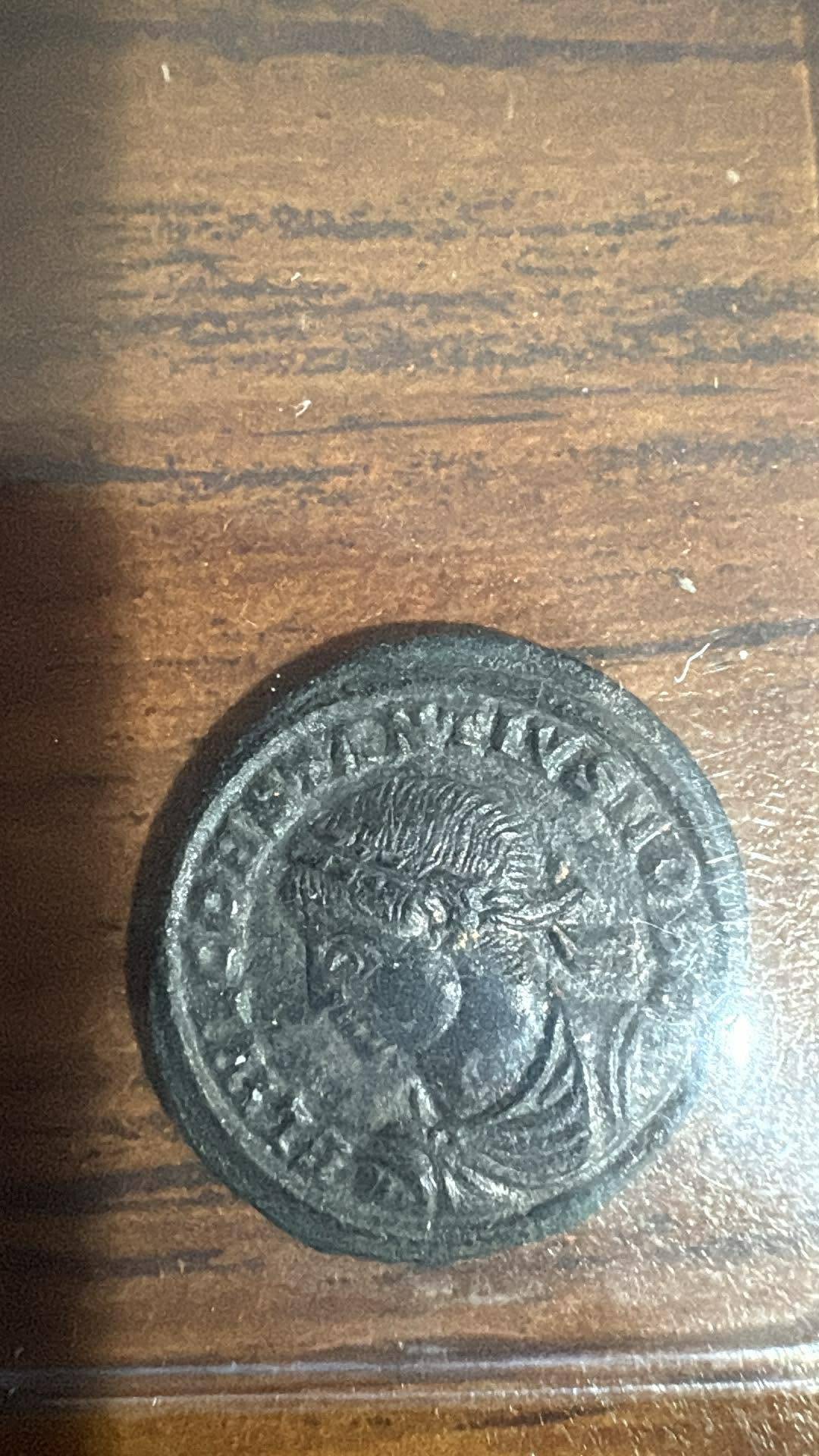
The Roman cleaned up nicely and I was able to attribute it to Constantius II, from around 337 to 361 AD.
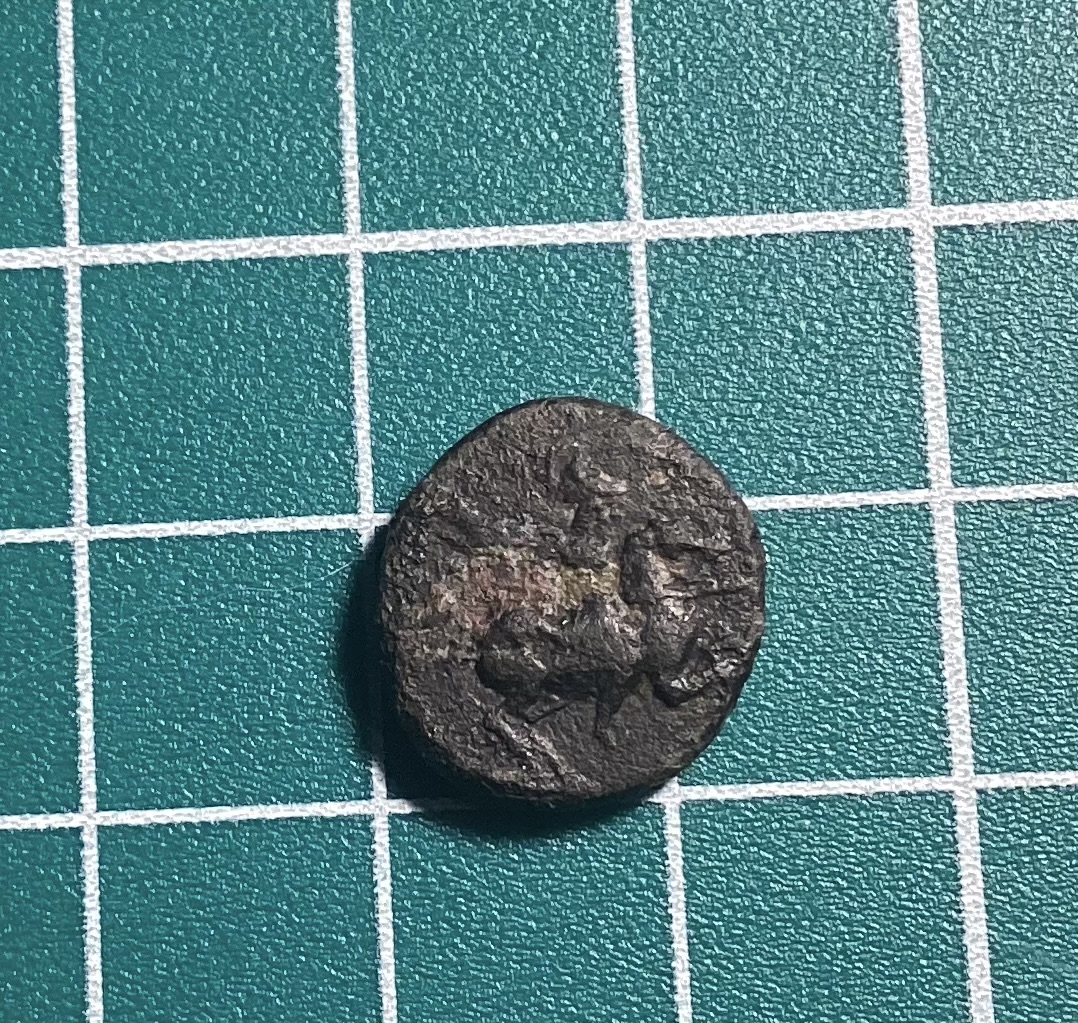
Also I’ve gone down the rabbit hole of using Grok to help identify some of my ancient coins. I fact check the results obviously.
It said this coin, which I suspected was Greek was from the city state of Thessaly from around 400 to 300 BC.
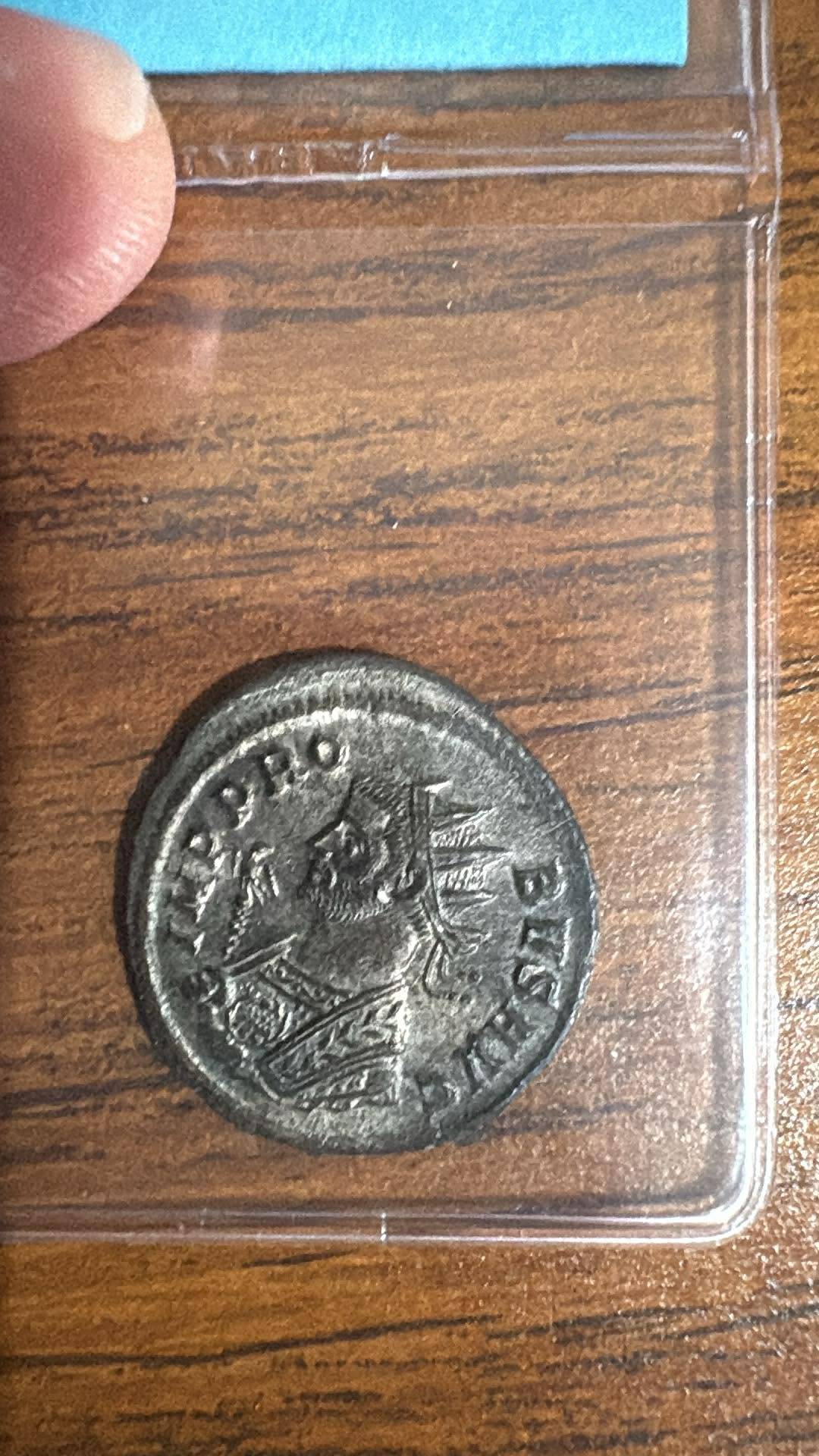
First coin or bottom left, is an Antoninianus coin, a silver washed billon, featuring the radiate bust of Emperor Probus, the top or second is also Probus while the third appears to be Valentinian.
I said before it's funny seeing any British coins as collectible, but especially the commemorative crowns because if you buy any collection or bulk lot over here you will soon have heaps of them (the Cu-Ni ones that is)
I said before it's funny seeing any British coins as collectible, but especially the commemorative crowns because if you buy any collection or bulk lot over here you will soon have heaps of them (the Cu-Ni ones that is)
I've got a half-dozen silver coins, but I prefer my burgeoning penny collection (even though it's worthless)
The "wishes" jar has all my pre-1982 pennies, since those are mostly all copper, and the big sparkly cup has the rest of my pennies, plus my weird things:
A giant penny that's 5 ounces of .999 copper
Three of the 2009 Lincoln Bicentennial pennies (they're all the same one, RIP, but I'd like to have a whole set someday)
A 1970s bracelet made of pennies (feat. wristdoxx)
and a Chinese zodiac one oz copper coin, the other side is my astrological sign.
I know copper isn't exactly an "investment" metal, and pennies aren't as cool as literal ancient Roman coins, but when I saw there was a coin collecting thread I felt like sharing. My dad's collected coins/funny money for a long time, and when pennies stopped being minted (or the first threat of that, I guess,) I was like "omg we need to save pennies" and it became something we bond over. He even made these 2025 penny memorial things for us and a bunch of his coin friends:
(the other ones were all stuck together, mine's loose so I can't hold it upright ffff)
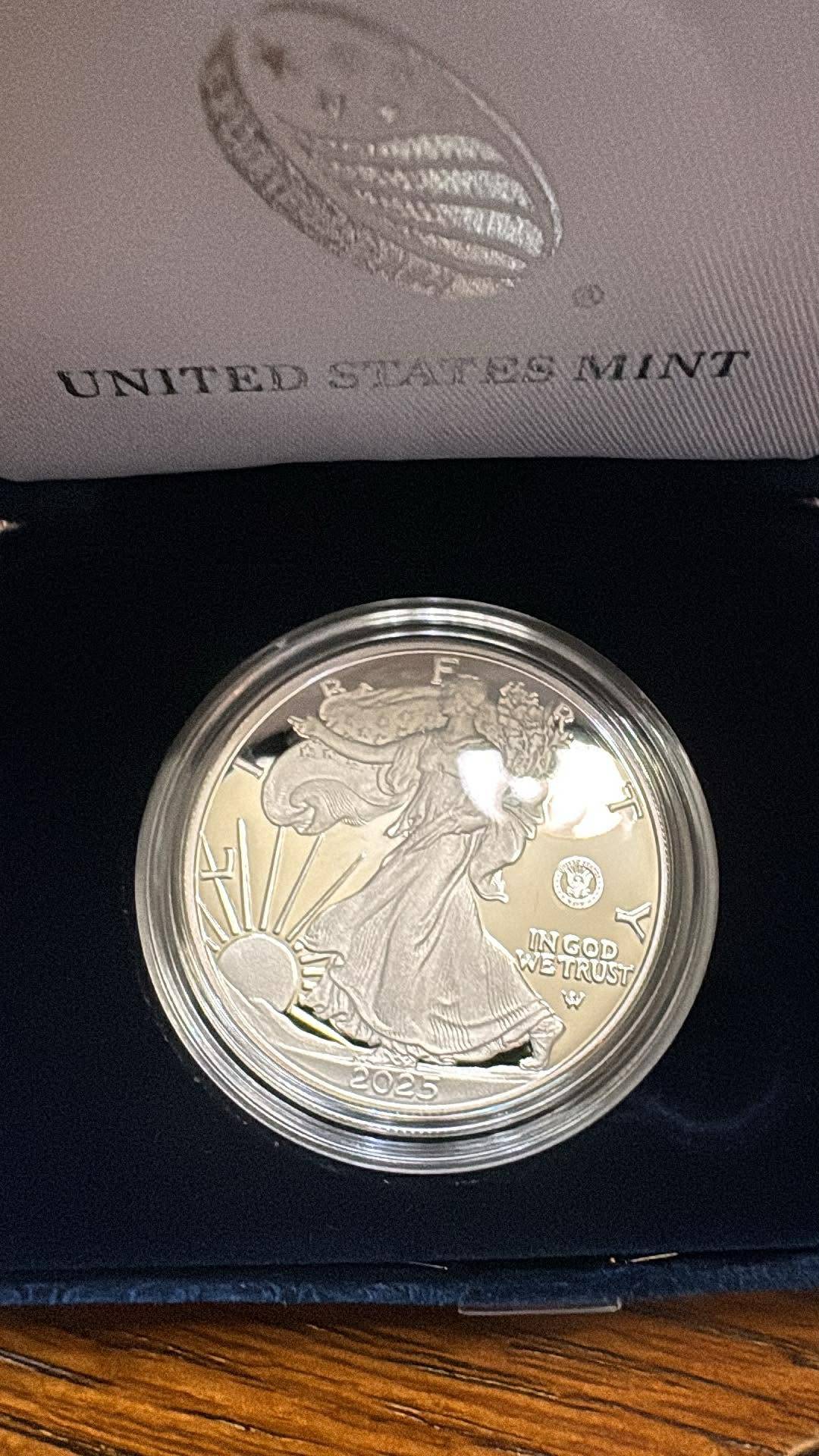
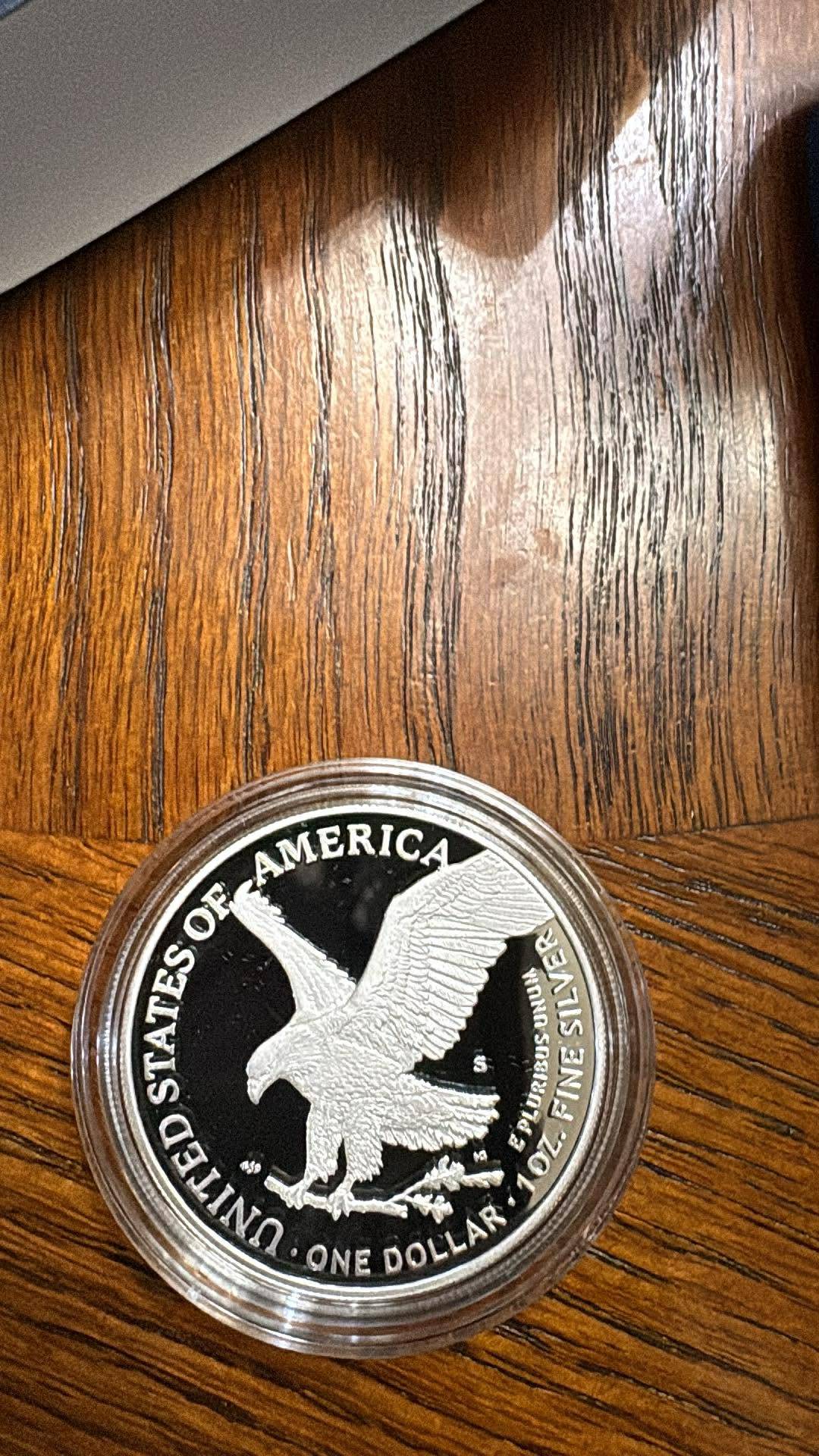
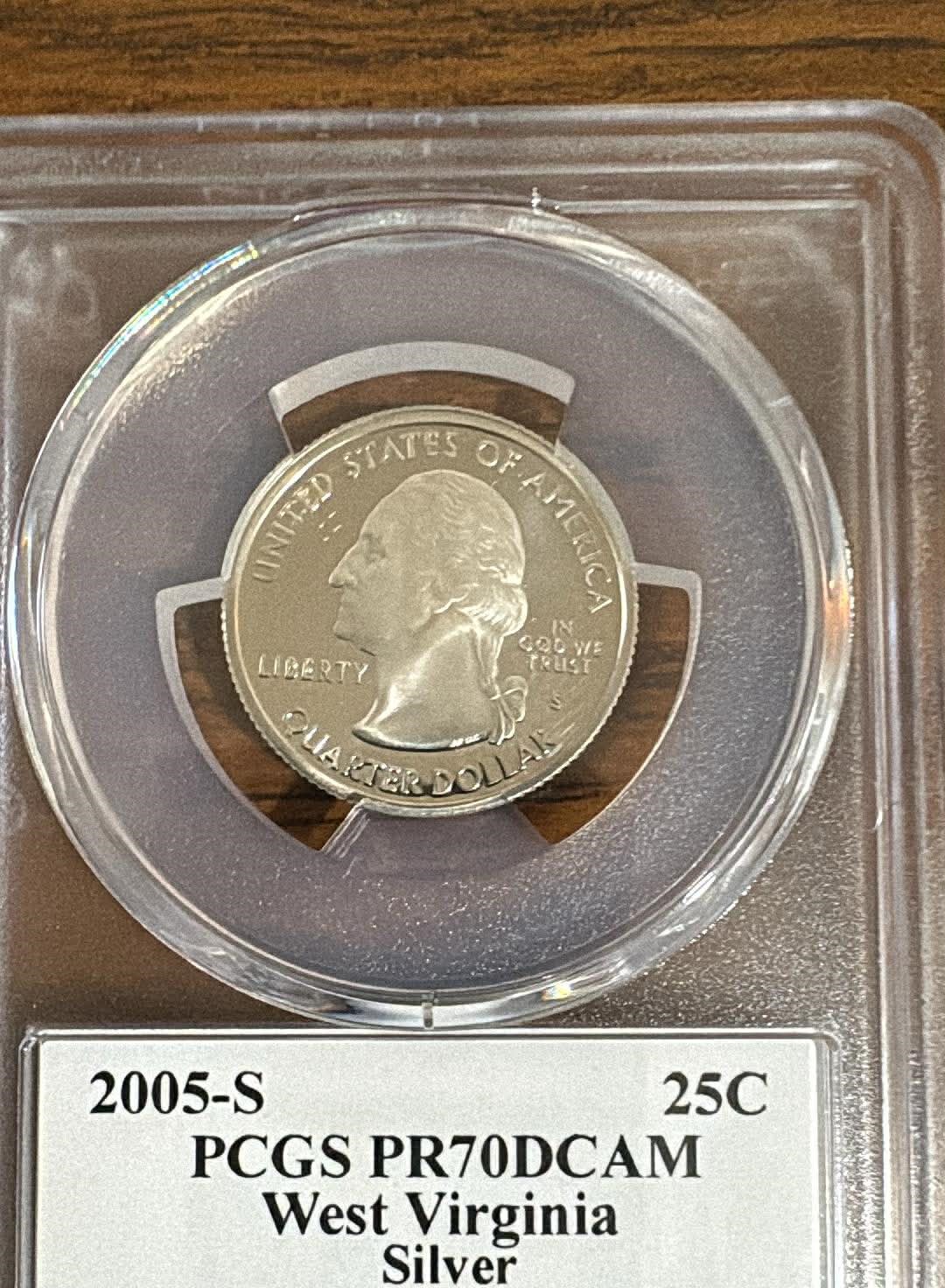
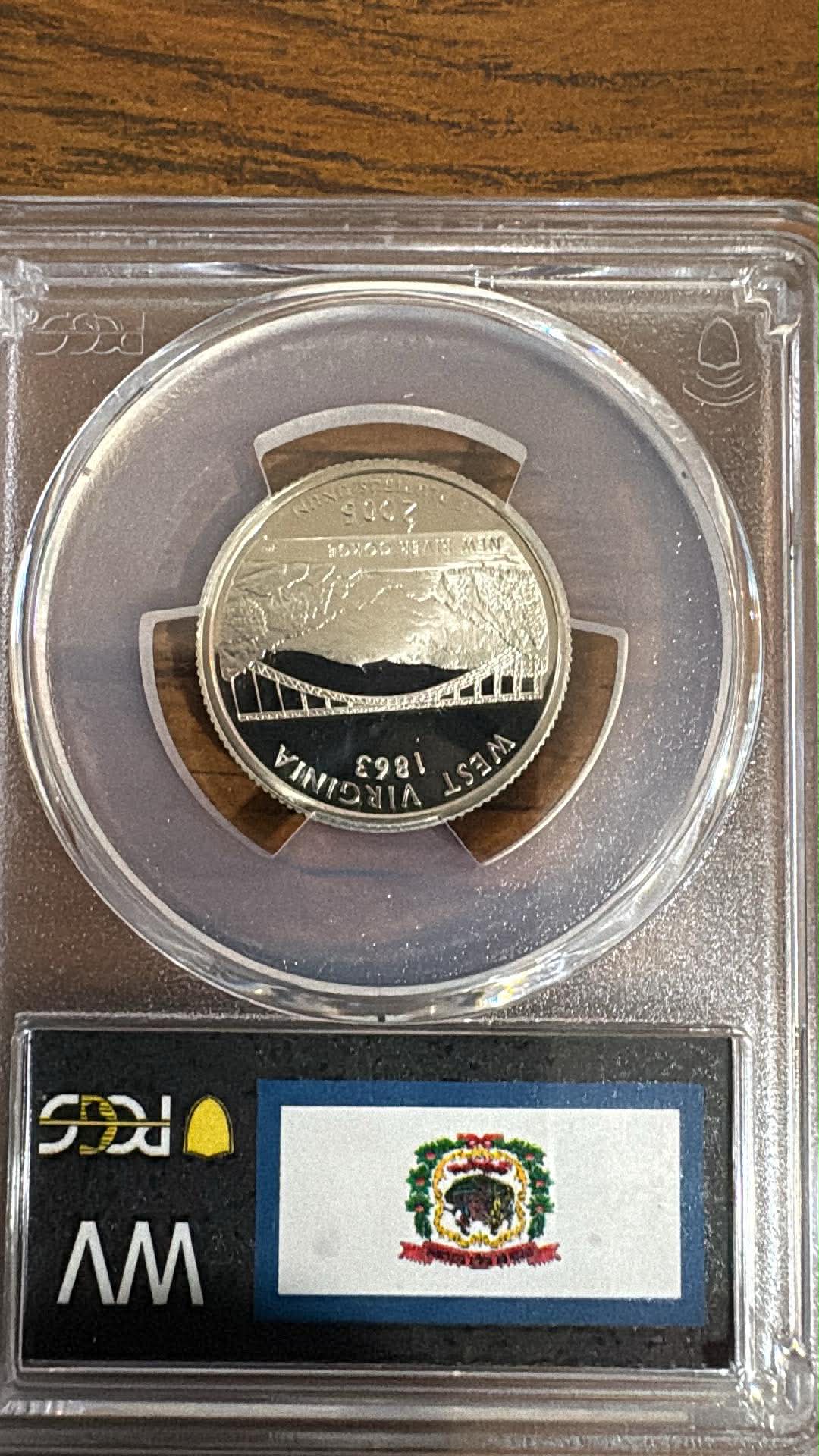
I'll again, apologize for the image quality. The first section is going to be on two of my recent modern acquisitions. I recently picked up the Navy's 250th anniversary Silver eagle represented by the navy emblem privy mark to the right of lady liberty. I Normally don't collect Silver Eagles, but I enjoyed the naval privy mark on it making it semi unique in respect to other Silver Eagles. I just wish they would utilize lady Columbia instead of Liberty. The next pickup was for my Silver 50 state collection, found it under priced in the wild and snagged it, just 36 more to go.
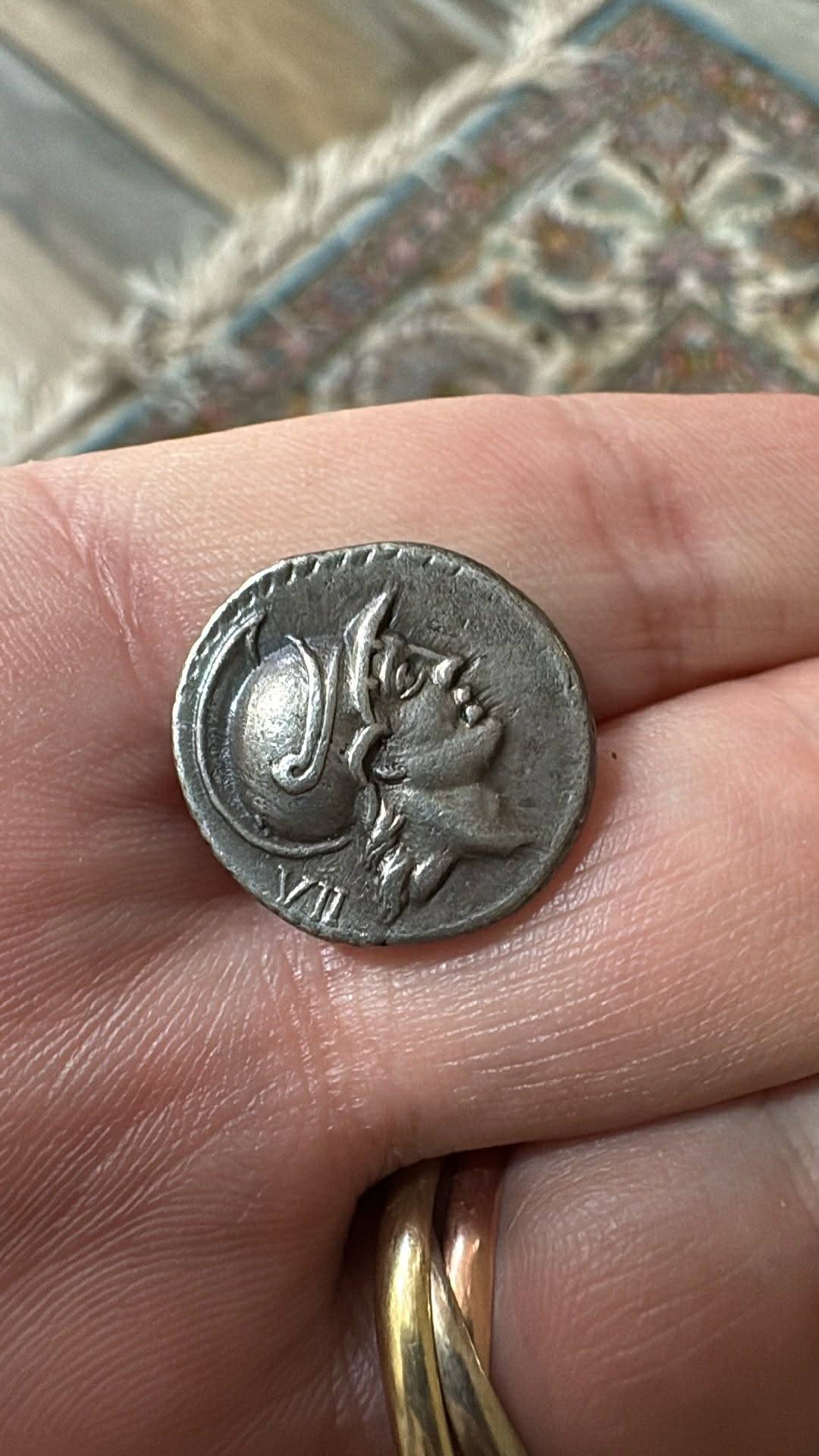
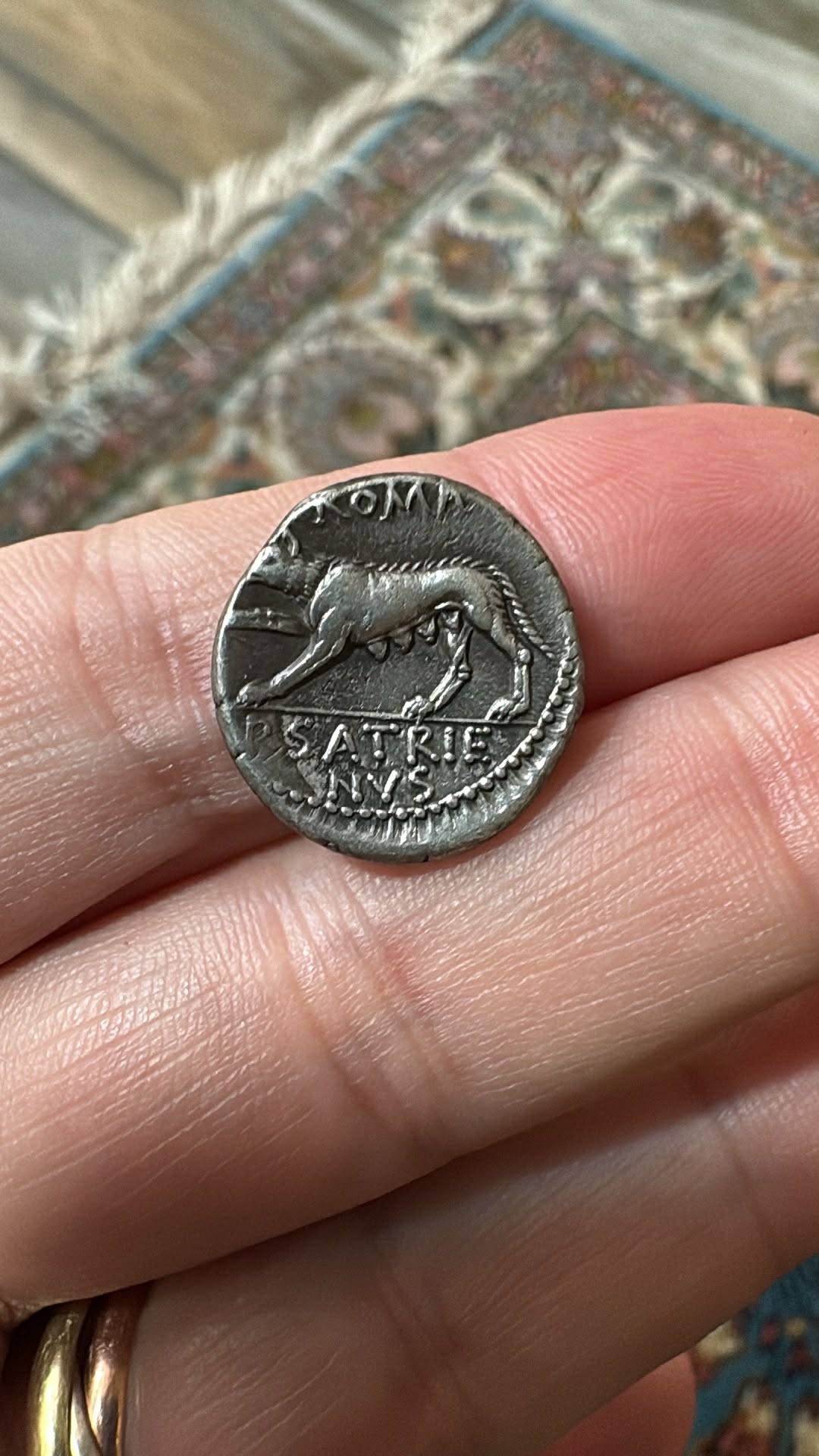
Now for the rest of the ancients haul. I'm going to order them chronologically. First up is a Republican era coin around 77BC. The bust is of Mars, followed by VII. VII is the control number, and what happens to be unique about this piece in general is that the control dies went from 1-105. So when a die was worn down and no longer usable they moved on to the next control number die. I have been hunting one with this control number for some time, so I could end up with the 7th control number minted in 77 BC i.e 777. The reverse is of a she wolf, though there is some contention on whether this is representing the founding myth or a piece of propaganda representing the roman victory over the Italian tribes 10 years earlier (Socii War). The war was over voting rights, and roman citizenship for the Italian tribes. The exergue has the name of the moneyer stamped on it P•SATRIE or Publius Satrienus not a whole lot is known about him other than his hand in minting the shown denarius. (RRC 388/1).
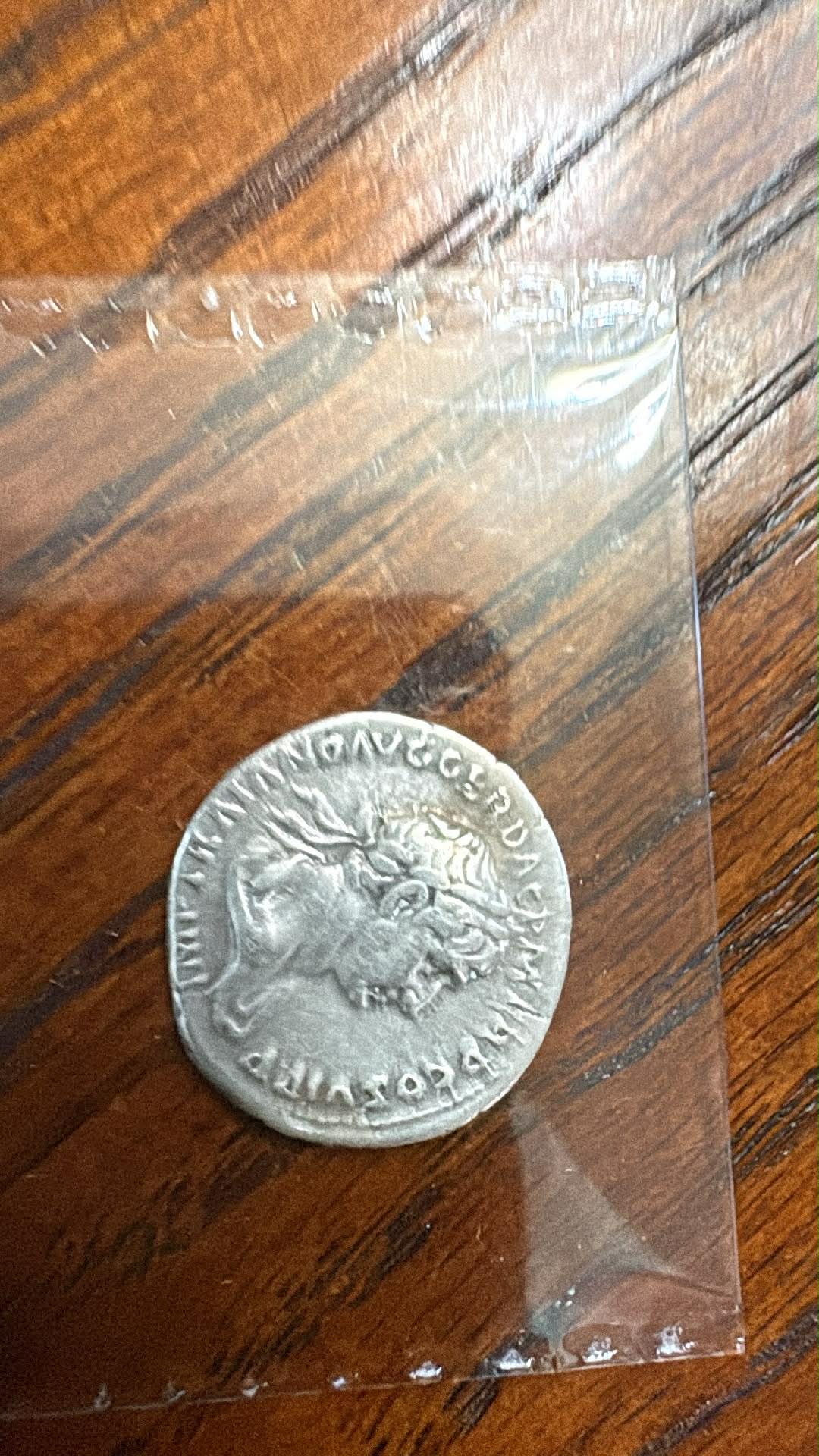
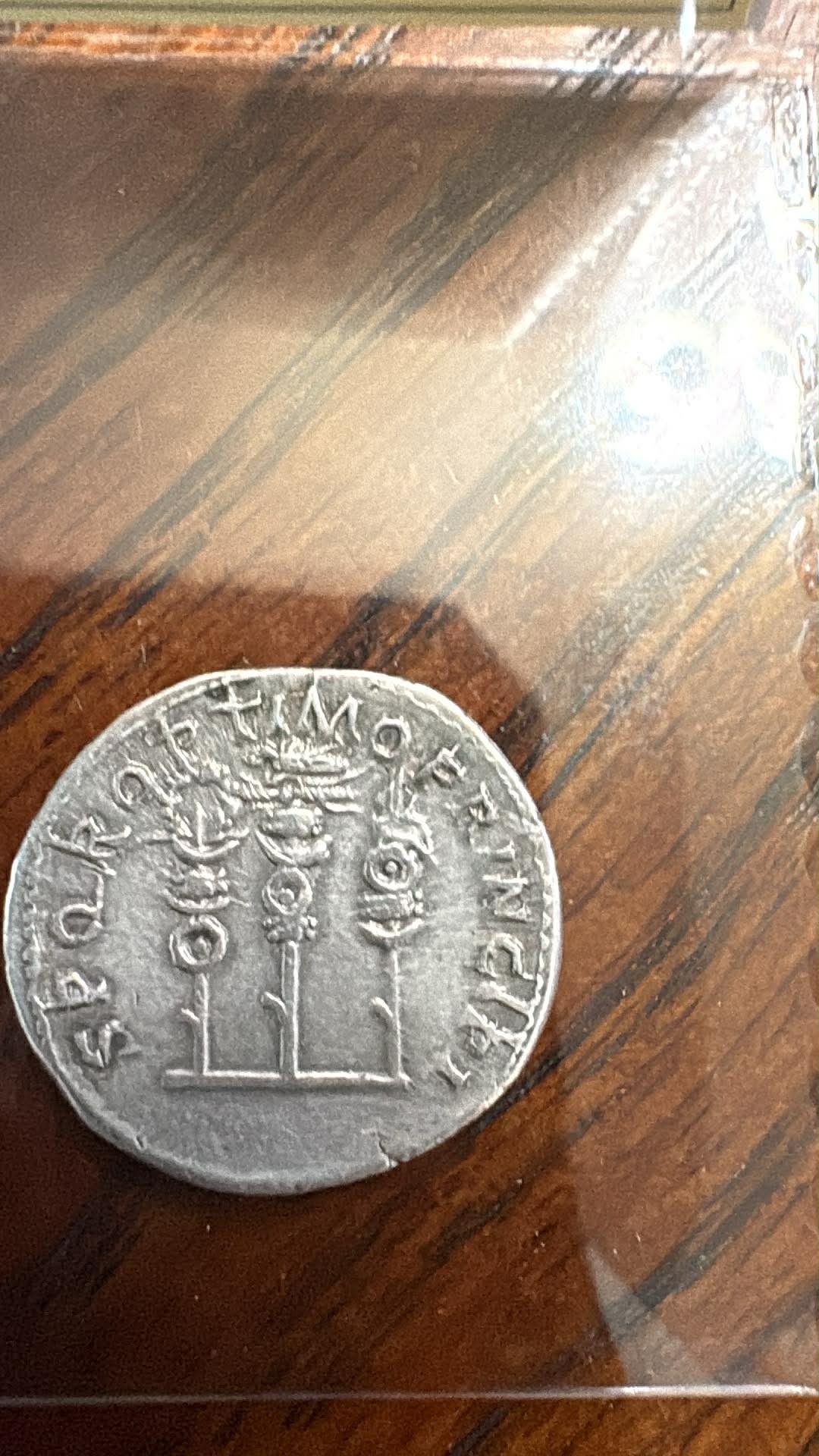
The next coin is the emperor Trajan ruling from 97 to 117 AD. He's notable for pushing the roman empire to its furthest territorial extent, multitudes of public work projects and monuments still standing today Trajan's column for example. The coins obverse is a bust of the emperor Trajan and all his titles which somehow end up fitting on the coin. The titles in question are IMP TRAIANO AVG GER DAC PM TR P COS VI PP or Imperator Traiano Augustus Germanicus Dacicus, Pontifex Maximus, Tribunicia Potestate Consul Sextum, Pater Patriae. I thought it was rather interesting that Trajan felt it necessary to add his consulship position to his titles. The reverse is your standard legionary eagle between two standards, one surmounted by a wreath, the other by a hand. The Latin text is SPQR OPTIMO PRINCIPI or The senate and the Roman people to the best of princes.(RIC 294)
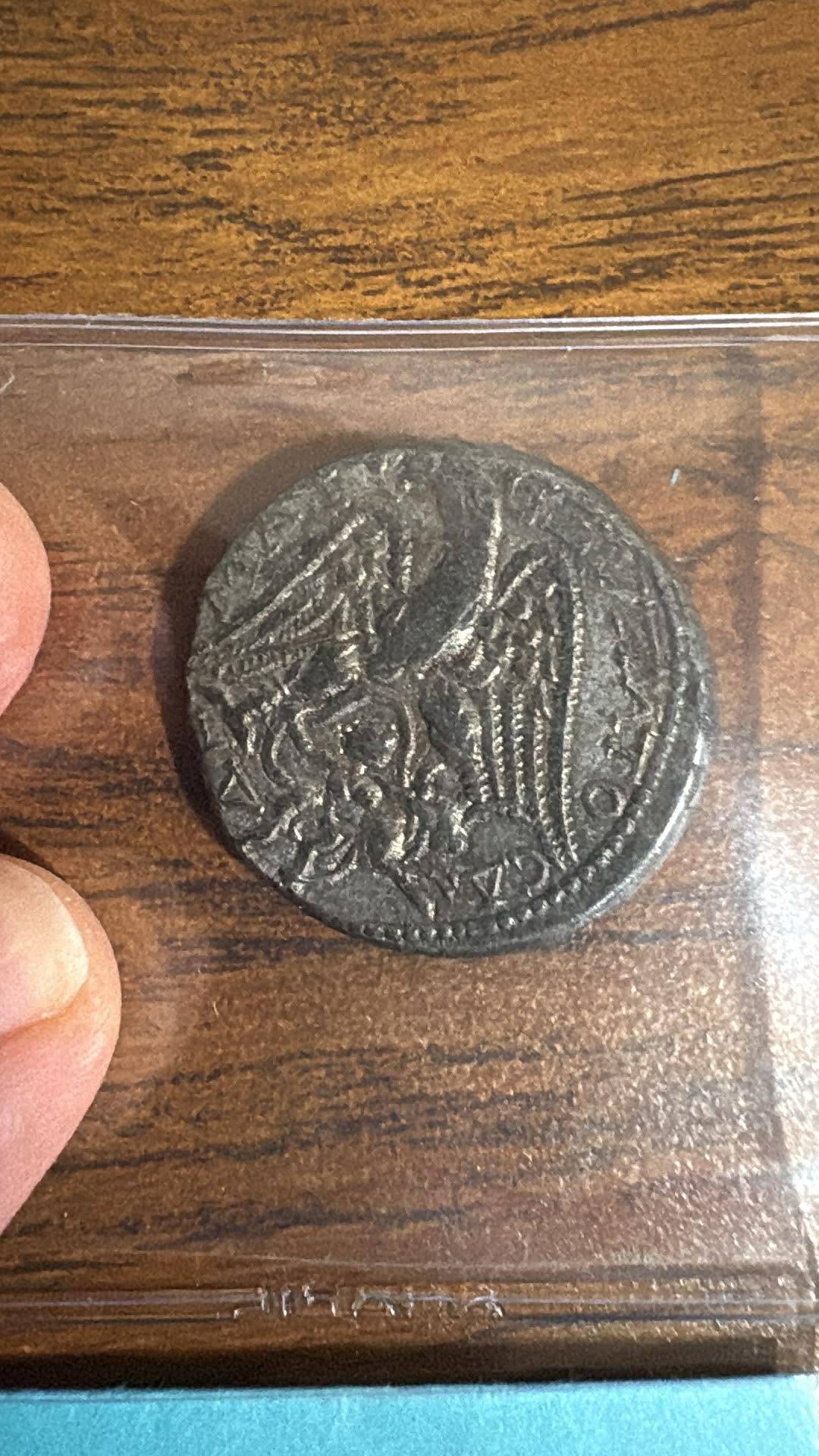
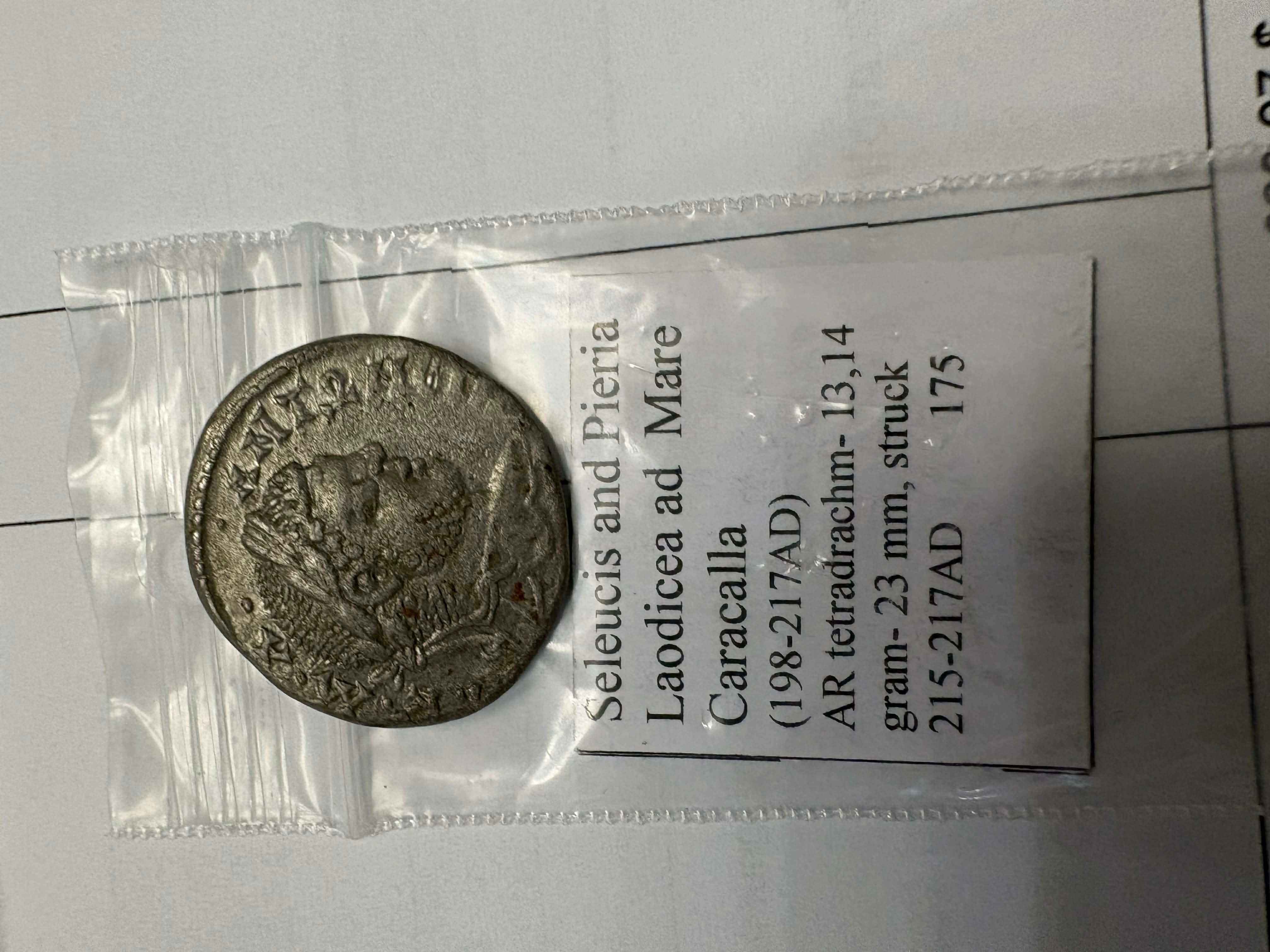
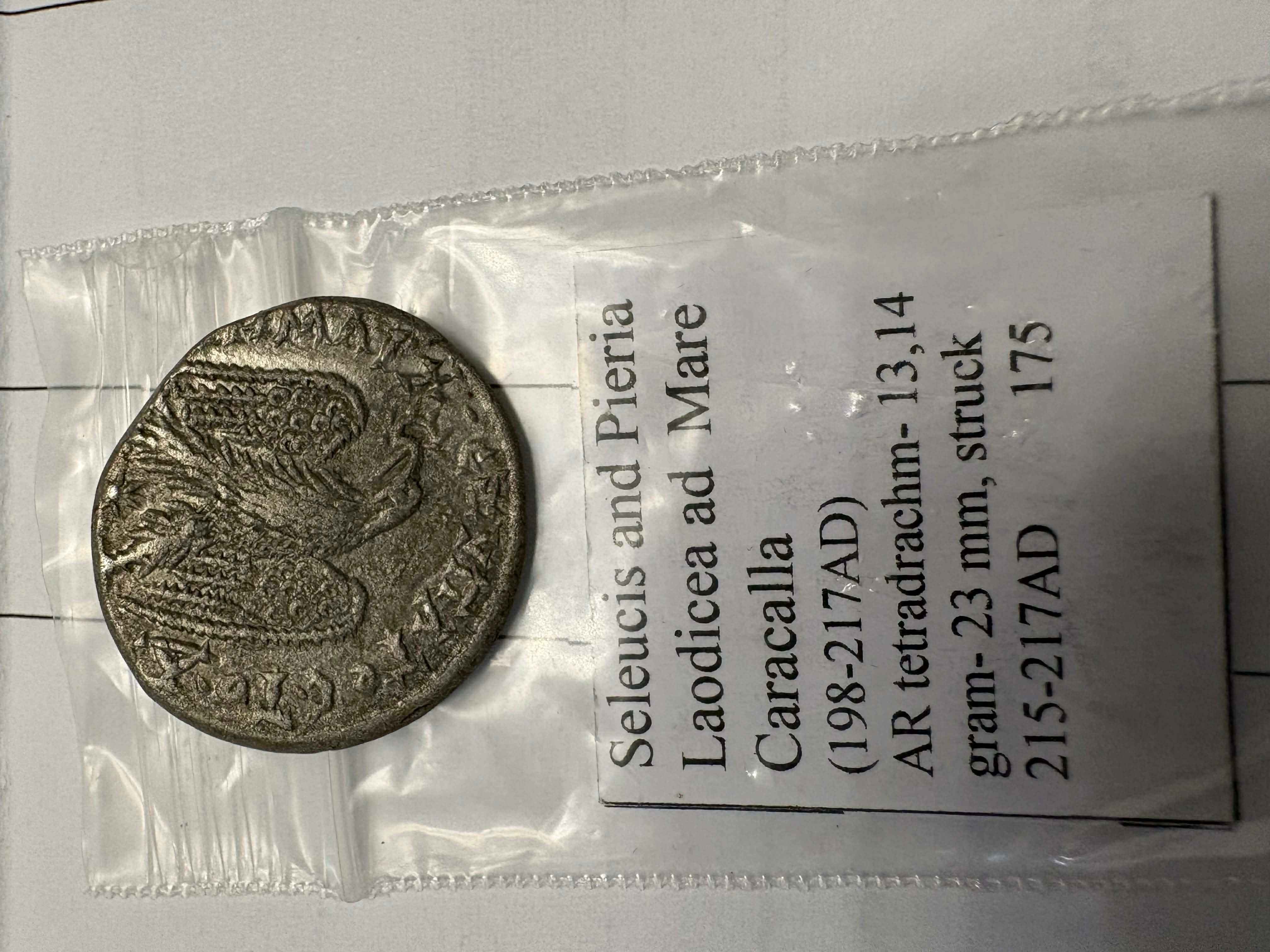
Marcus Aurelius Antoninus or Carcalla as he's better known ruled the Roman Empire from 198 to 217 AD. The coins in question are provincial mintages in this case tetradrachms. The first one was minted in Phoenicia, Sidon what makes this issue unique from other provincial releases is the exergue stamp of Europa riding a bull. It was a mythological release, and as far as I'm aware, its a rarer variant of Caracalla's numerous provincial releases. The Greek on the Reverse is AYT KAI M ANTΩNINOC CEB translating to Emperor and Caesar Marcus Aurelius Antoninus Augustus. (Prier 1357) The other coin is a standard provincial tetradrachm minted in Seleucis and Pieria, with its unique identifier being the star in-between the eagles legs. Picked this one up because of the weak stamp on the obverse bulbed around the busts eyes making Caracalla look like he's wearing sunglasses. The Greek is the same for both coins.
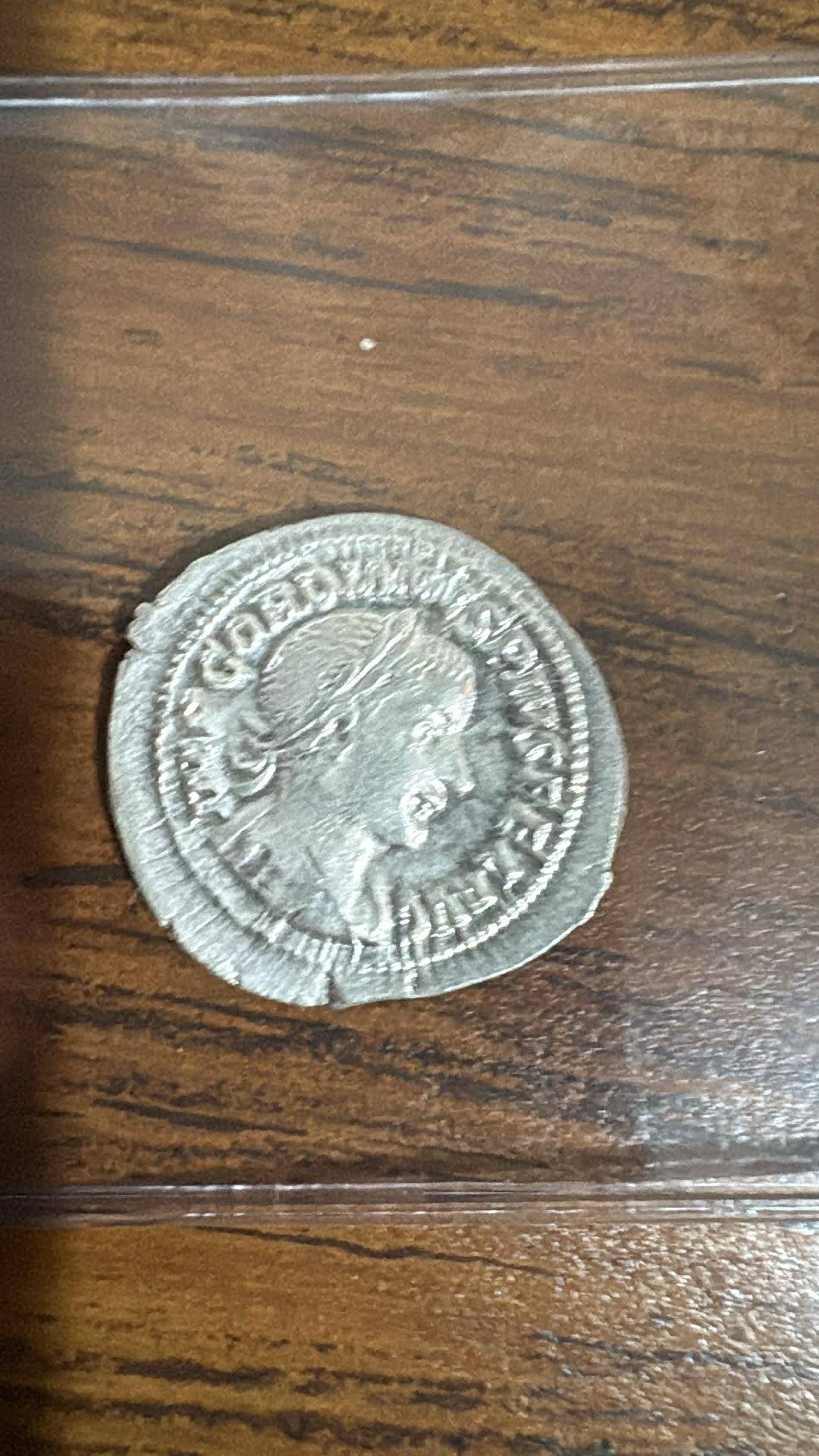
Next is Gordian III, A rather short lived boy emperor who was 13 years old at ascension to the throne. He unfortunately got caught up in the year of the six emperors, and ultimately began his rather short tenure in the beginning of the crisis of the third Century. He was raised to the Purple by the Praetorian guard after the deaths of the Co-emperors Gordian I (Grandfather) and Gordian the II (Uncle). Like most young rulers he was nothing more than a puppet being ruled over first by his mother than his father in law. This would continue on until Philip the Arab became his praetorian prefect, and then through subterfuge depose Gordian III. He would rule over the roman empire for 6 years (238-244 AD), giving way to his murderer Philip the Arab. The reverse is of Gordian on horseback surrounded by the Latin inscription PM TRP III COS PP translating to Pontifex Maximus, Tribunicia Potestas III, Consol, Pater Patriae, and the Obverse is IMP GORDIANUS PIUS FEL AUG translating to Imperator Gordian, the Pious and Fortunate Augustus. (RIC 81)
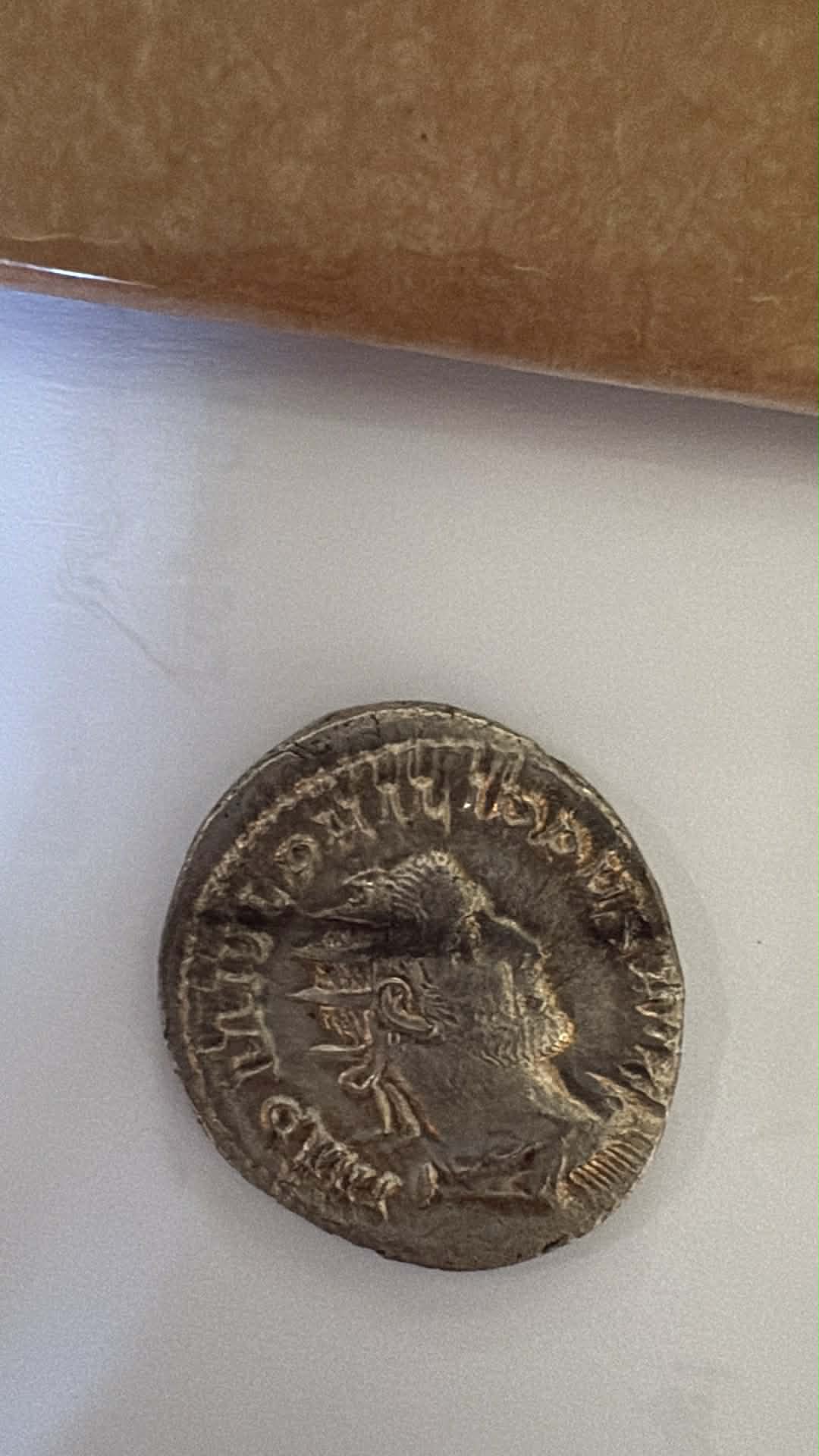
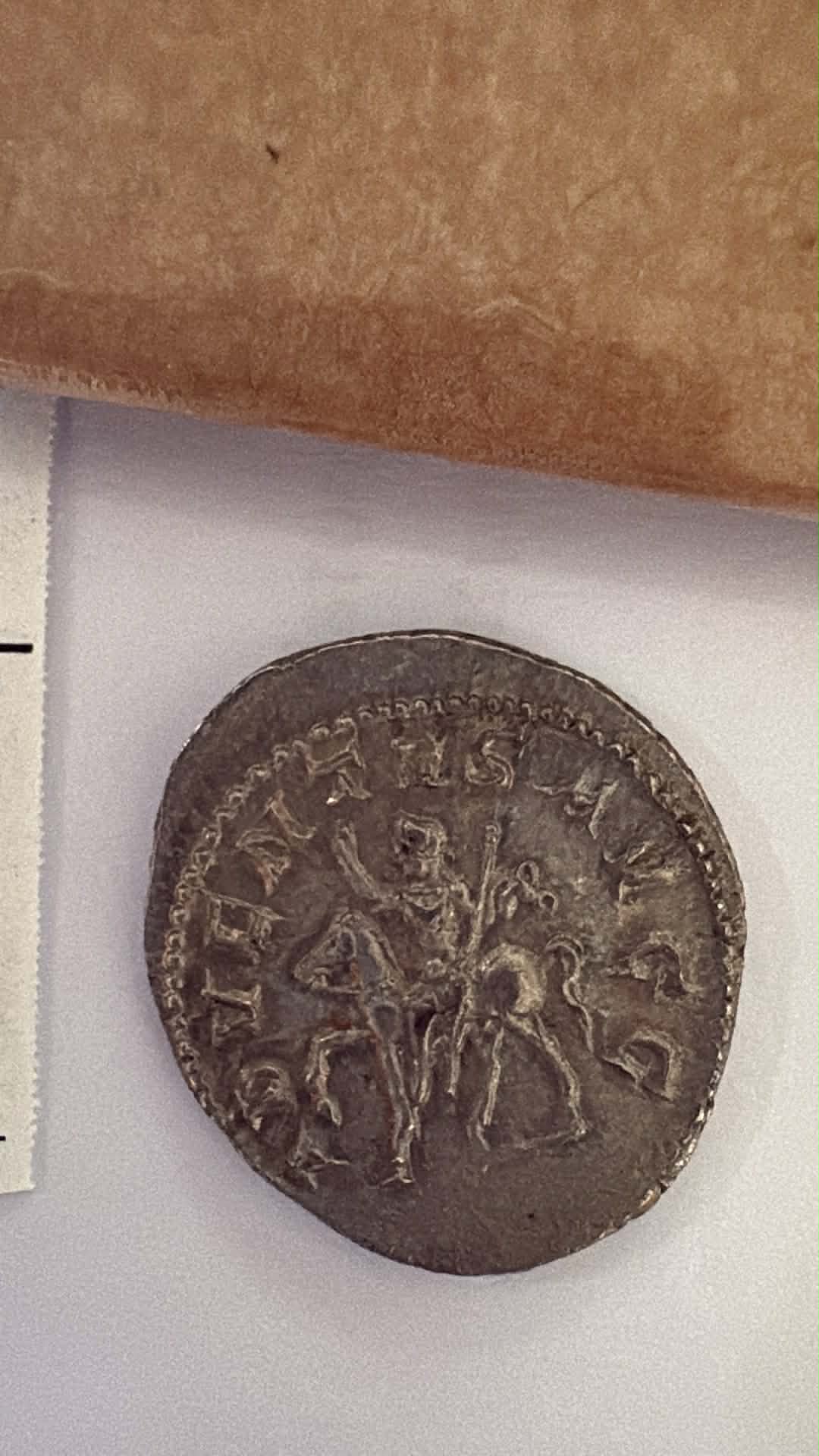
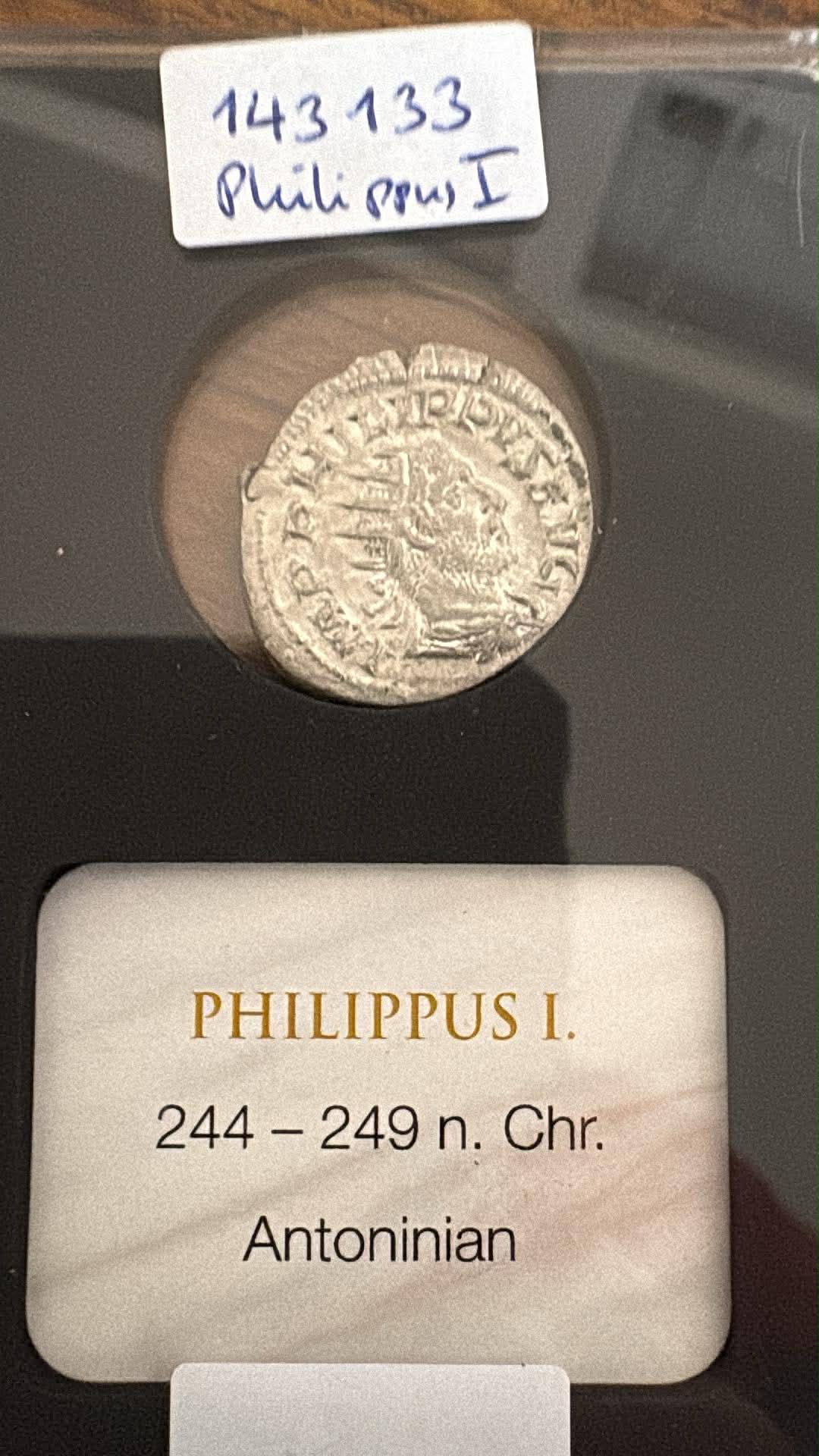
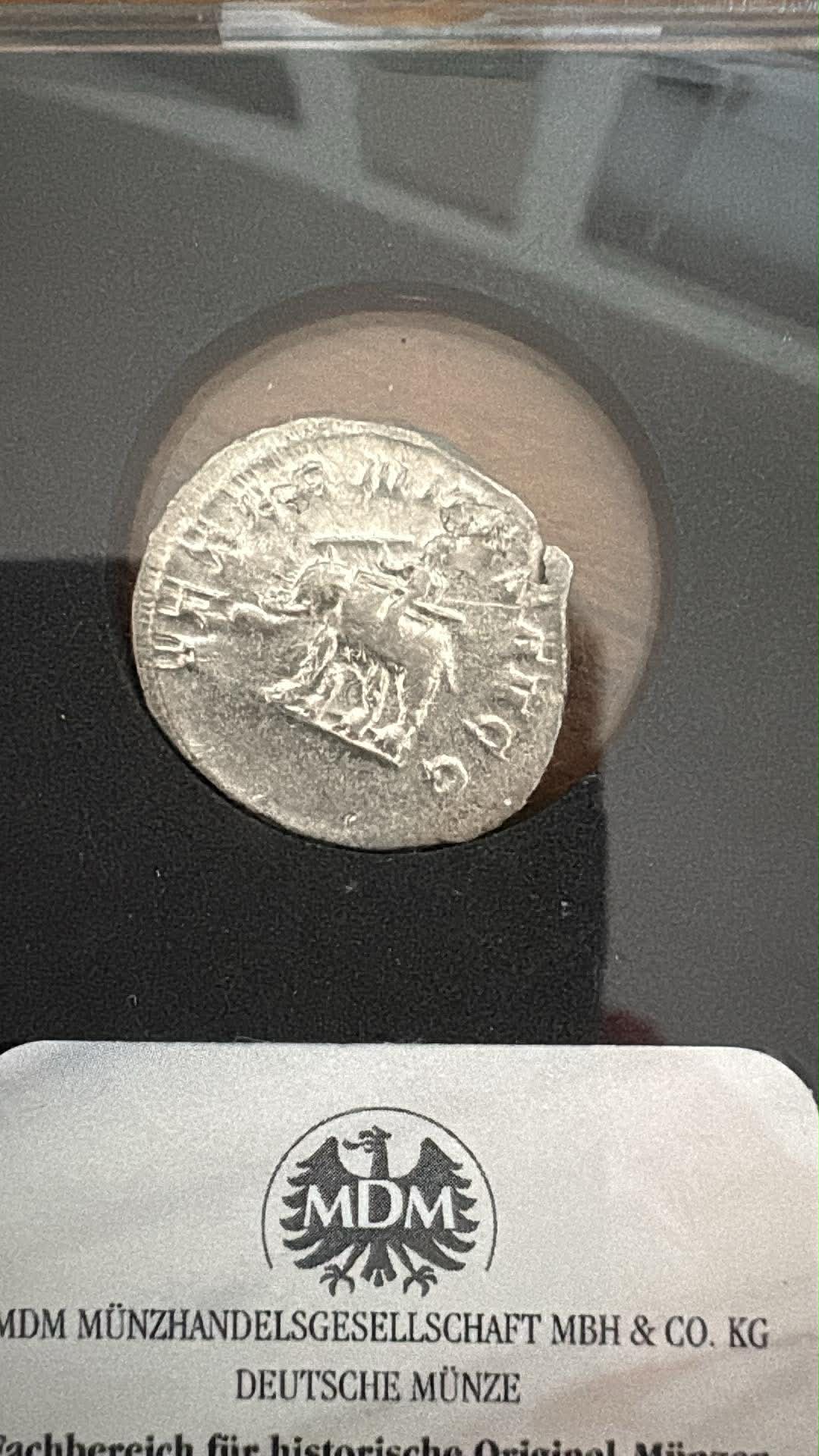
Philip I or Philip the Arab as he's better known, was Emperor from 244-249 AD. Like many emperors soon to be after him, He was usurp by a a general. Decius was sent by Philip to contend with the gothic tribes around the Danube during the gothic invasion of 248 AD. His success led his armies to proclaim him emperor. Which is ironically enough a death sentence regardless if you deny it, because To deny the troops results in them slaughtering you and proclaiming someone else. If the troops don't, the emperor kills you because you're still considered a claimant leaving you in the only position of hedging your odds on the chance of winning (see Gordian I), and in this case Decius ends up winning. One of the notable things during hPhilip the Arabs rather stable rule of the empire was the 1,000th anniversary of the founding of Rome. This was celebrated with the Ludi Saeculares, religious ceremonies, and commemorative coin mintages. For the first coin it was minted sometime during 244-247 AD in Rome. the reverse is of Philip on horseback, holding a scepter with the inscription ADVENTVS AVGG which translate to The Arrival of the Two Emperors, with the additional G on AVG representing that. Another example of this will be seen later on this post dealing with Constatius II. The bust is a standard depiction of Philip I and the inscription just being IMP M IVL PHILIPPVS AVG or Imperator Marcus Julius Phillipus Augustus. The second coin was minted sometime between 247-249 AD. The reverse depicts an elephant with the inscription AETERNITAS AVGG or Eternity of the two Augusti which could be contributed to some of Pliny the Elder writings where he attributed extreme lifespans to elephants, claiming they could live for 300 years. The obverse is just a bust of Philip with the standard faire of titles i.e. imperator Phillipus Augustus, etc. (RIC 26B, RIC 5
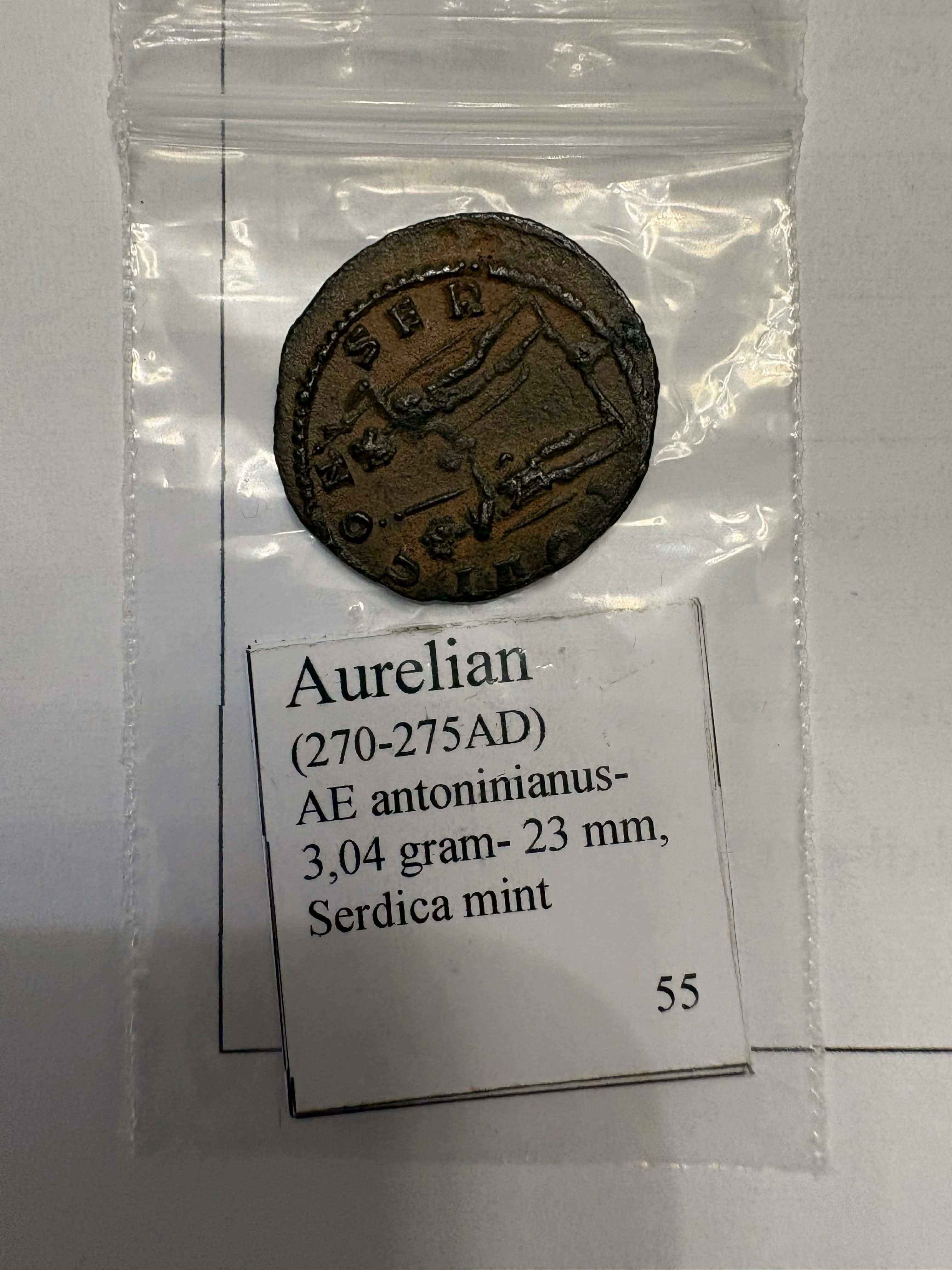
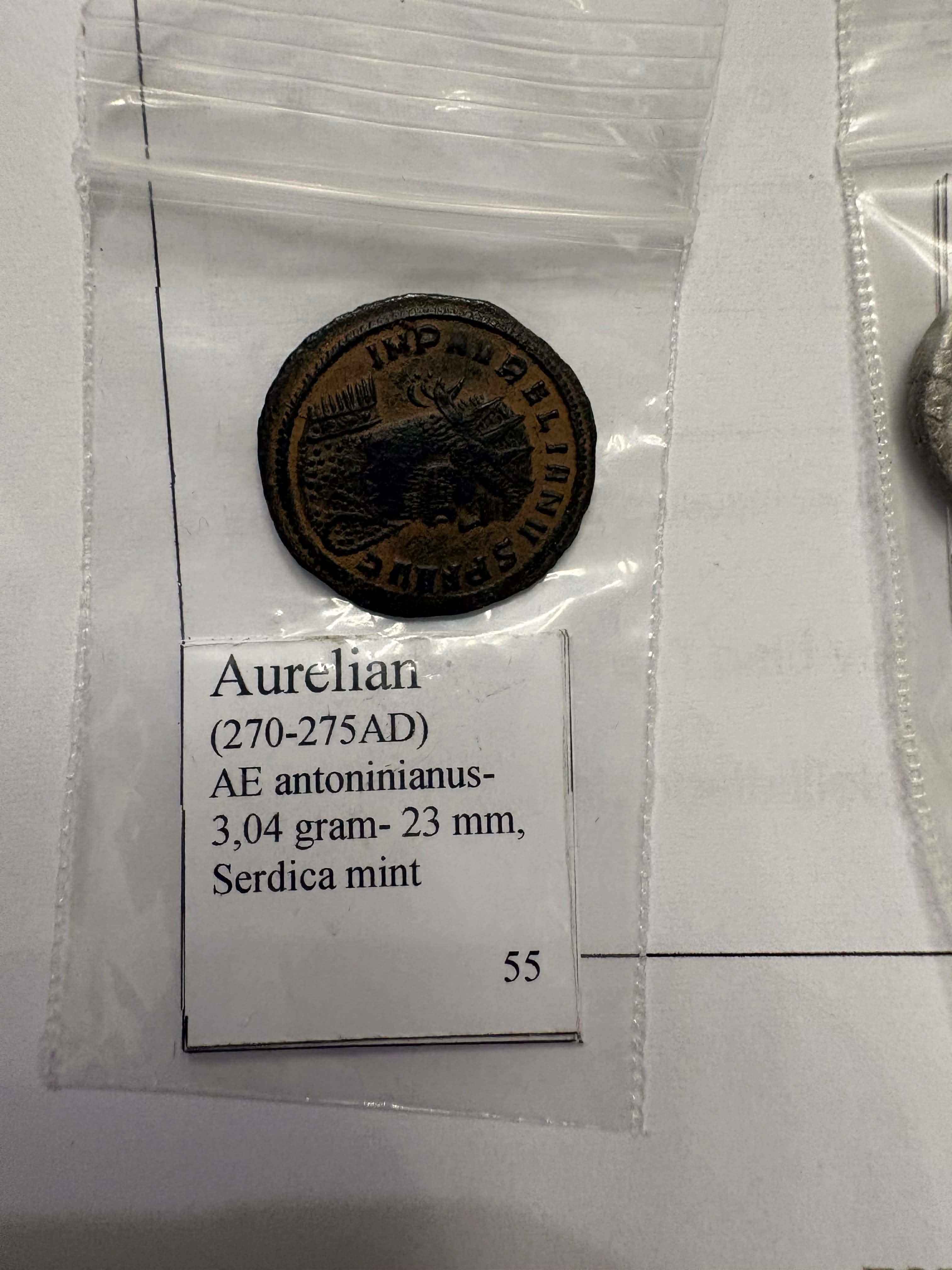
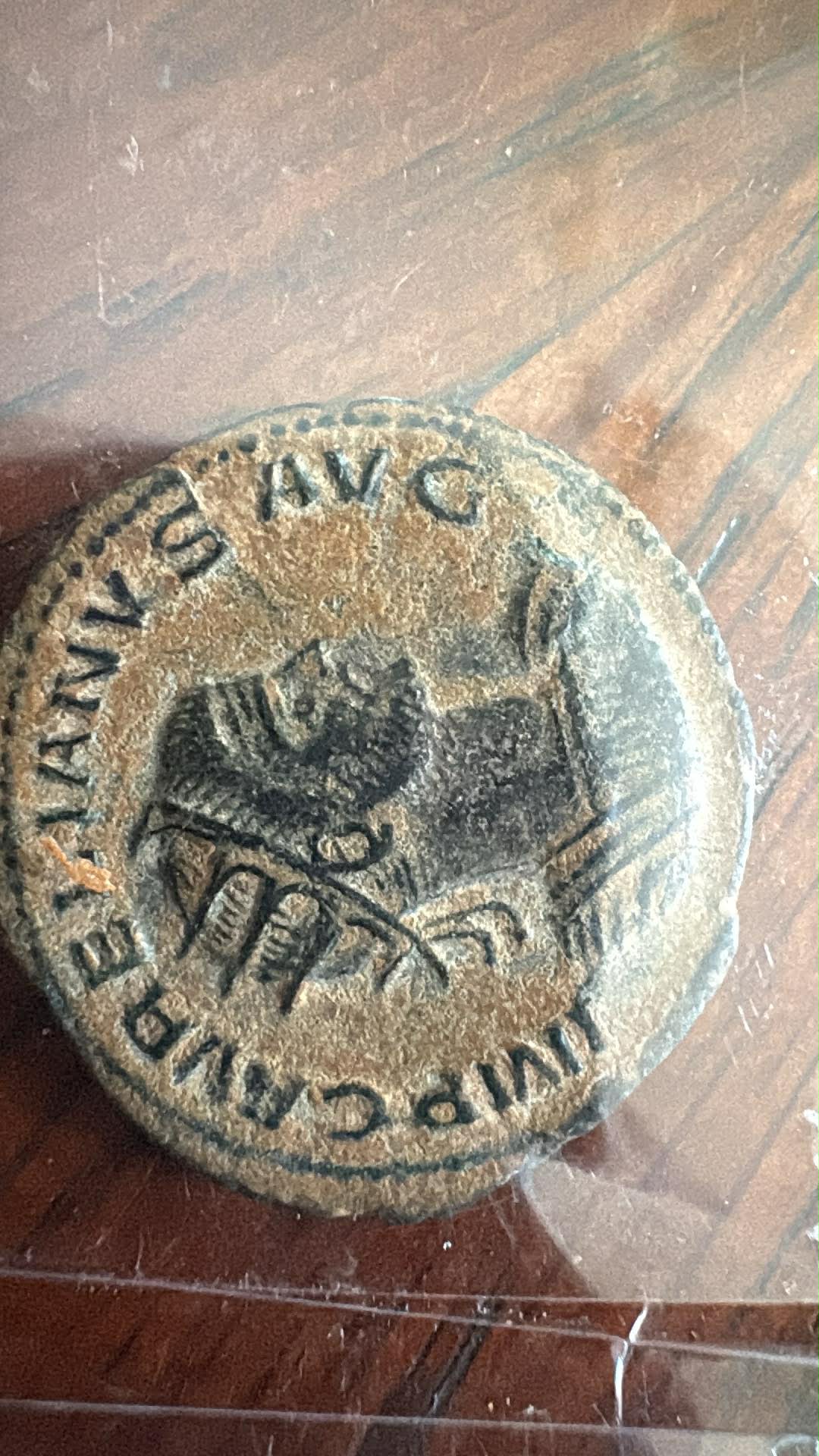
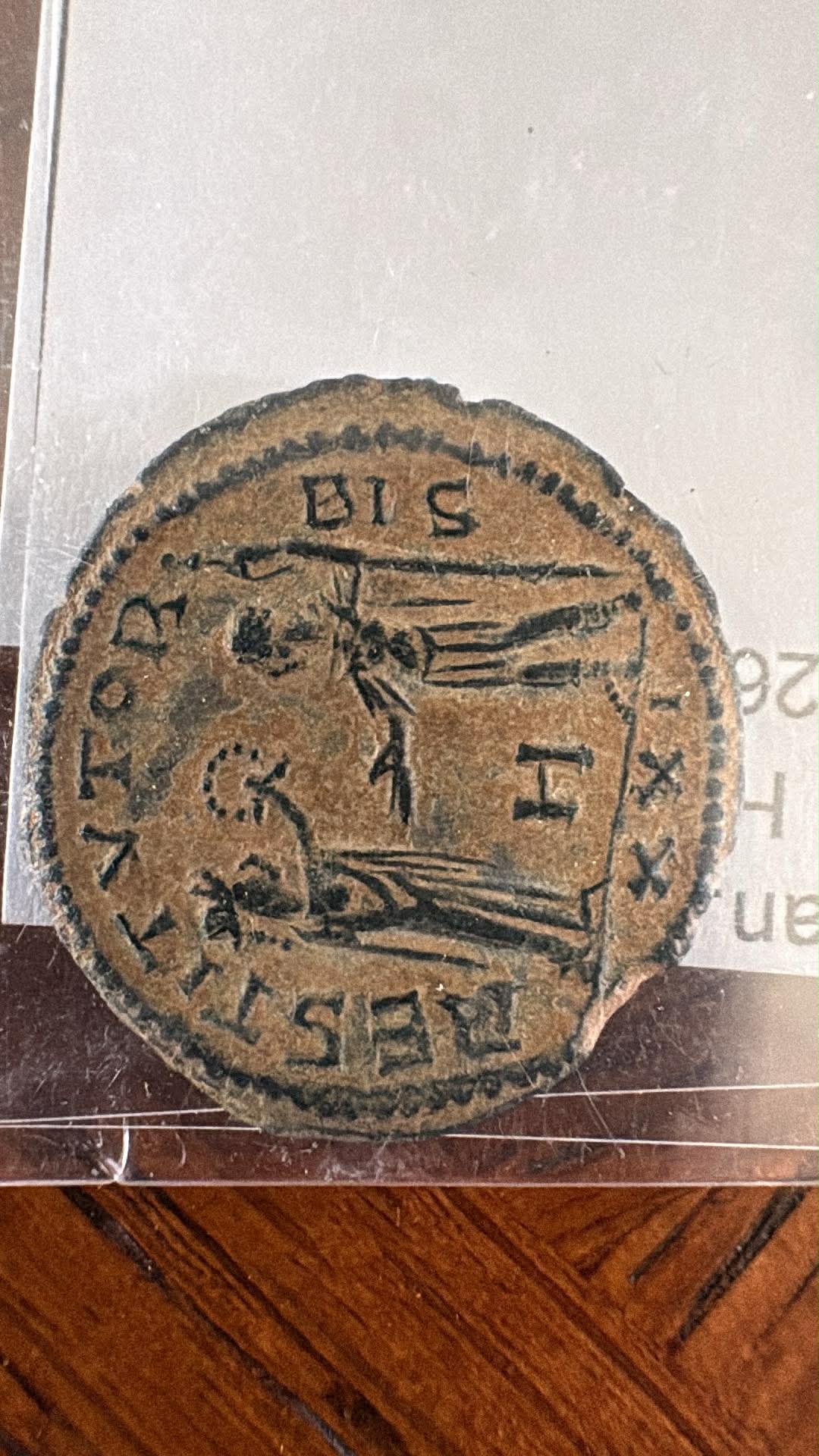
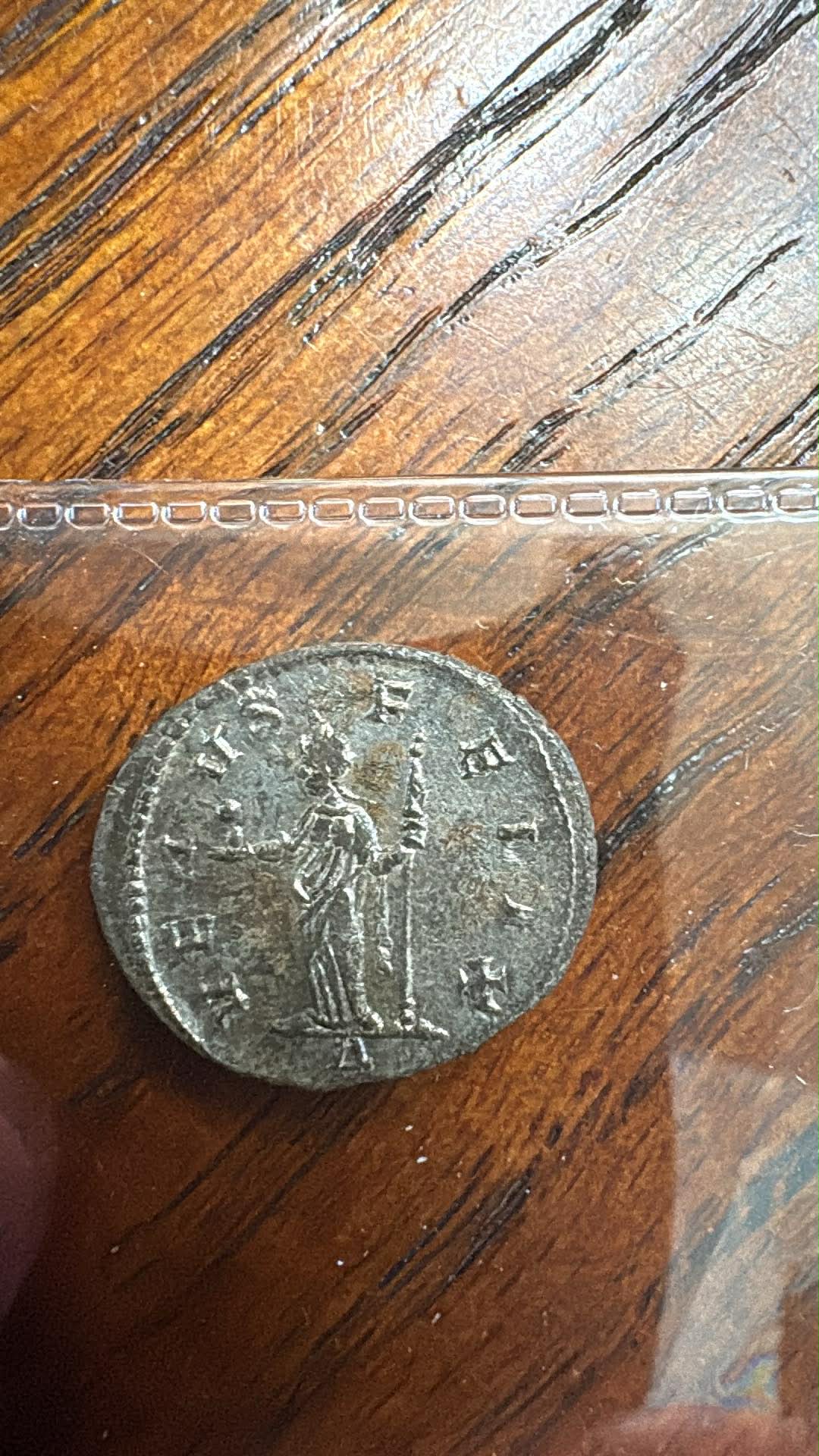
Lucius Domitius Aurelianus reigned 270–275 AD. He was a Roman emperor known as the Restorer of the World for reunifying the fractured Roman Empire during the Crisis of Third Century. He achieved this in just five years by defeating barbarian invasions, crushing the breakaway Gallic Empire, and conquering the Palmyrene Empire, while also implementing crucial economic reforms. Aurelian was assassinated in 275 AD near Byzantium by his own soldiers. The murder was triggered by a conspiracy among high-ranking officers who, fearing execution for corruption, were misled by a secretary into believing they were marked for death, leading them to kill the emperor before he could launch a campaign against the Sassanid Empire. The First coin is an aurelianus billon depicting Sol walking left while holding up a globe and treading down on one of the two captives. This is followed up by the inscription ORIENS AVG or rising sun emperor. The exerque and what makes this a rarer coin is the depiction of a lion for its mint mark. The obverse is the cuirassed bust of Aurelian followed with his standard titles IMP AVRELIANVS AVG. This ended up being my favorite pickup from the haul, I love all the lion designs in ancient coinage (RIC 62, Lion) . Next coins reverse depicts, Aurelian standing right, holding a short scepter and receiving the globe from Jupiter. the Latin inscription is IOVI CONSER meaning To Jupiter the Preserver. The mint mark is P indicating it was minted in Serdica which is in modern day Bulgaria. The bust varies for this coin, but the one I got is your Curiassed bust type with the titles IMP AVRELIANVS P F AVG or Imperator Aurelianus Pius Felix Augustus.(RIC 260). Next coin reverse is of a female standing right, presenting a wreath to the emperor standing left while holding a spear. This is followed by the inscription RESTITVT OR-BIS or Restorer of the World. I couldn't lock down the exact mint or release for this mintage but It feels fair to say sometime around 274 AD. This would end up falling in line with the XXI mark on the exerque. which for those interested is a numerical indicator introduced during his 274 AD currency reform. The mark signifies the coin's silver content ratio, specifically representing 20 parts alloy to 1 part silver hence (XXI). The obverse is a cuirassed bust with the titles IMP C AVRELIANVS AVG or Imperator Caesar Aurelianus Augustus.(RIC 386) The final coin is of the empress Ulpina Severina there is some debate on whether or not she ruled in the interim after Aurelian's death, but there isn't much support for it either way, so for the sake of ease I slotted her in with Aurelian. Now for the coin, the reverse depicts Venus holding Cupid and a Scepter. The mintmark which is new to mean is called an officina letter Δ (Delta) in this case which represents the 4th workshop (officina) at a Roman or Byzantine mint. The obverse is a bust of Severina wearing a Diadem (jeweled headband) with the titles SEVERINA AVG. (RIC 6,Δ)
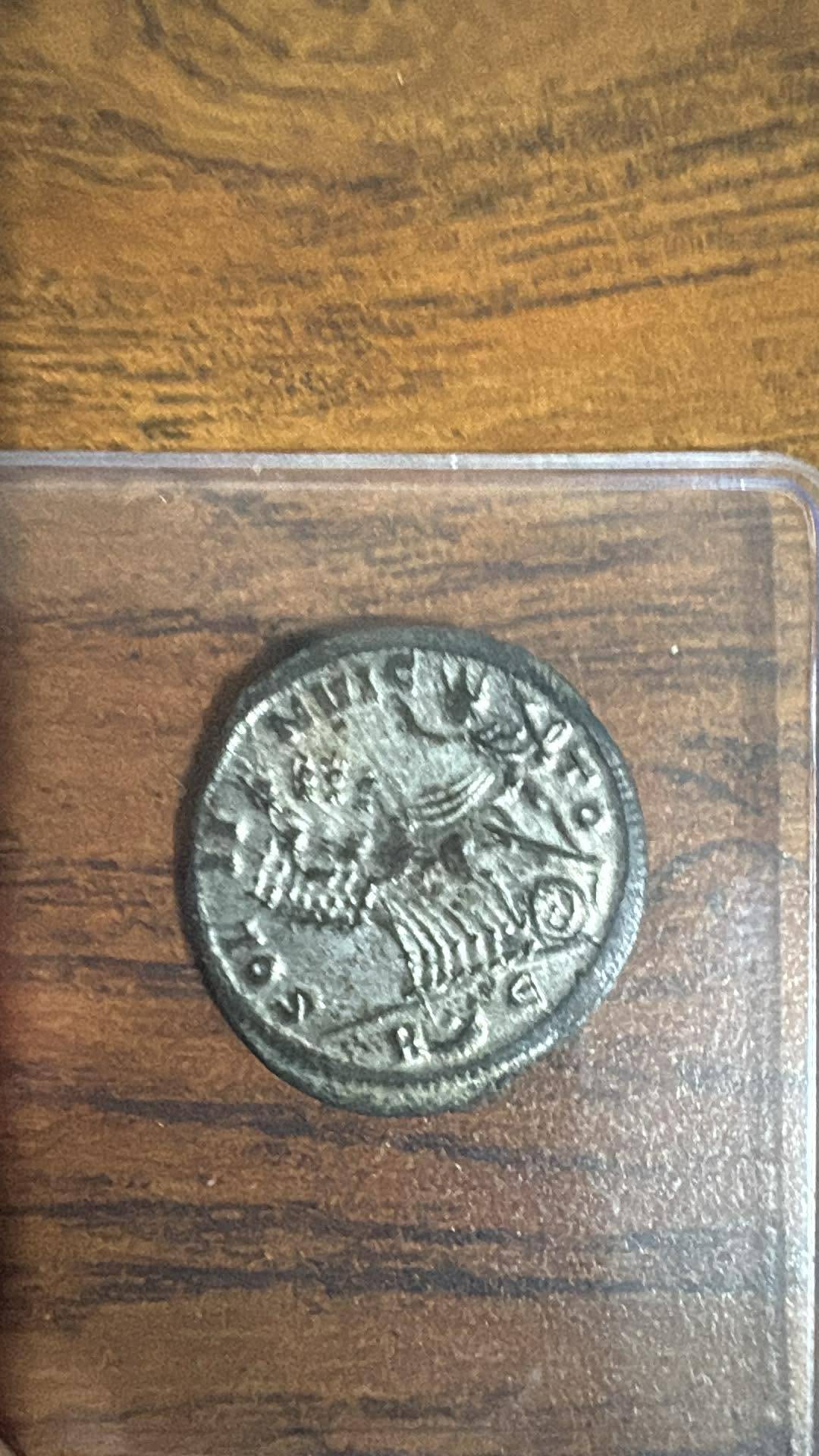
Probus was a part of the Illyrian general emperors that helped pull and somewhat stabilize what was at the time an empire teetering upon the precipice. Probus ruled from 276-282 AD until he was murdered by his soldiers due to his disciplinary nature. Unfortunately when probus was raised to the purple he didn't have much time do anything other than putting out small fires across the frontiers against warring tribes and insurrections across Britannia, the Danube and the East. He also played a part in pushing the can down the road in regards to barbarian settlement policy which of course turned out so well. As for the coin its pretty standard fare with the reverse being sol driving a quadriga with the inscription soli invicto translating to the unconquered sun, and the obverse being probus in imeprial mantal with his standard title IMP PROBVS AVG. Whats interesting for this piece is how much of the silvering is still left on the reverse, considering that by this time the coins had 5% silver content. I also like collecting probus pieces because he has so many bust types all in all one of my favorite pickups from this haul. (RIC V 207)
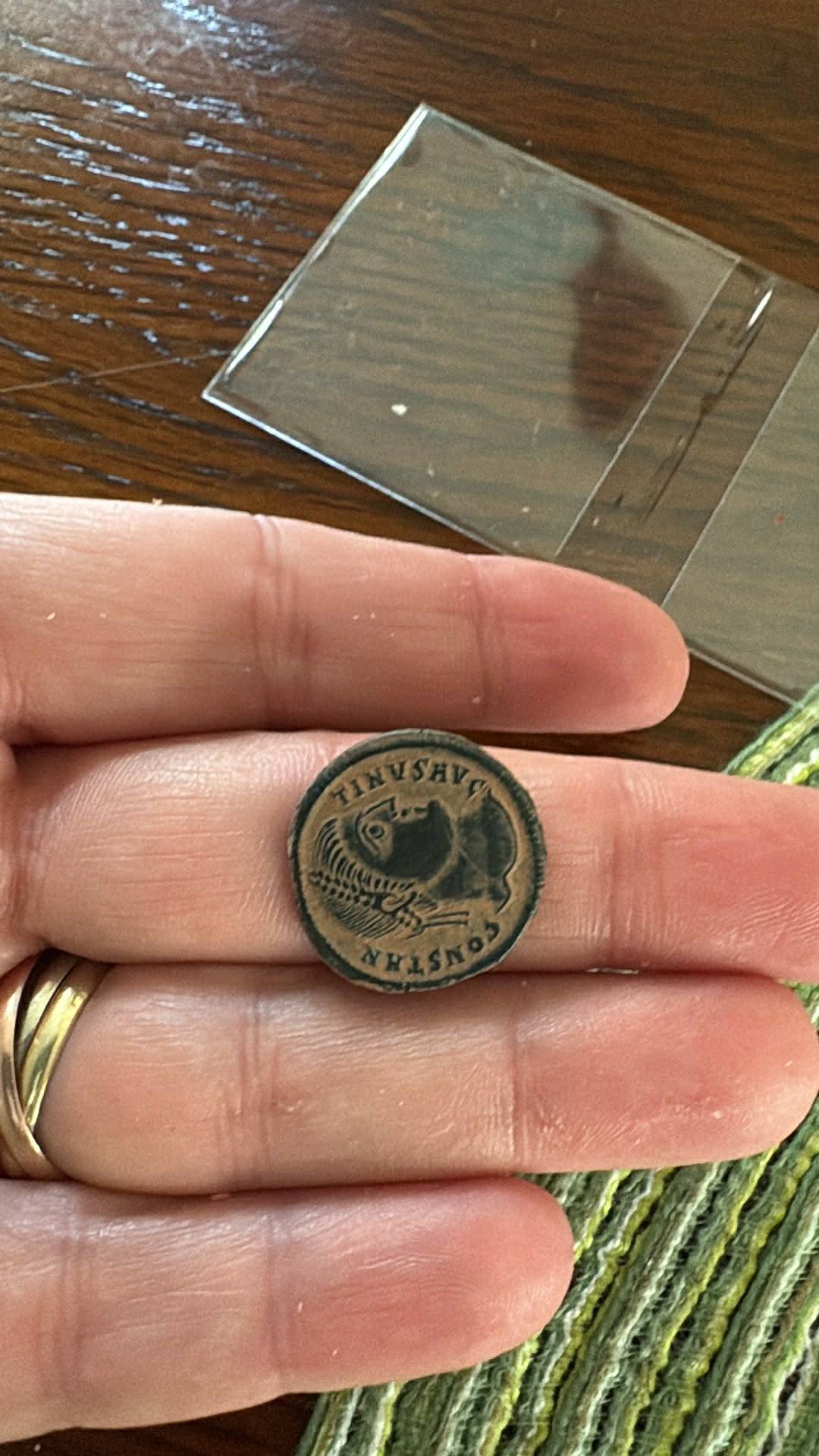
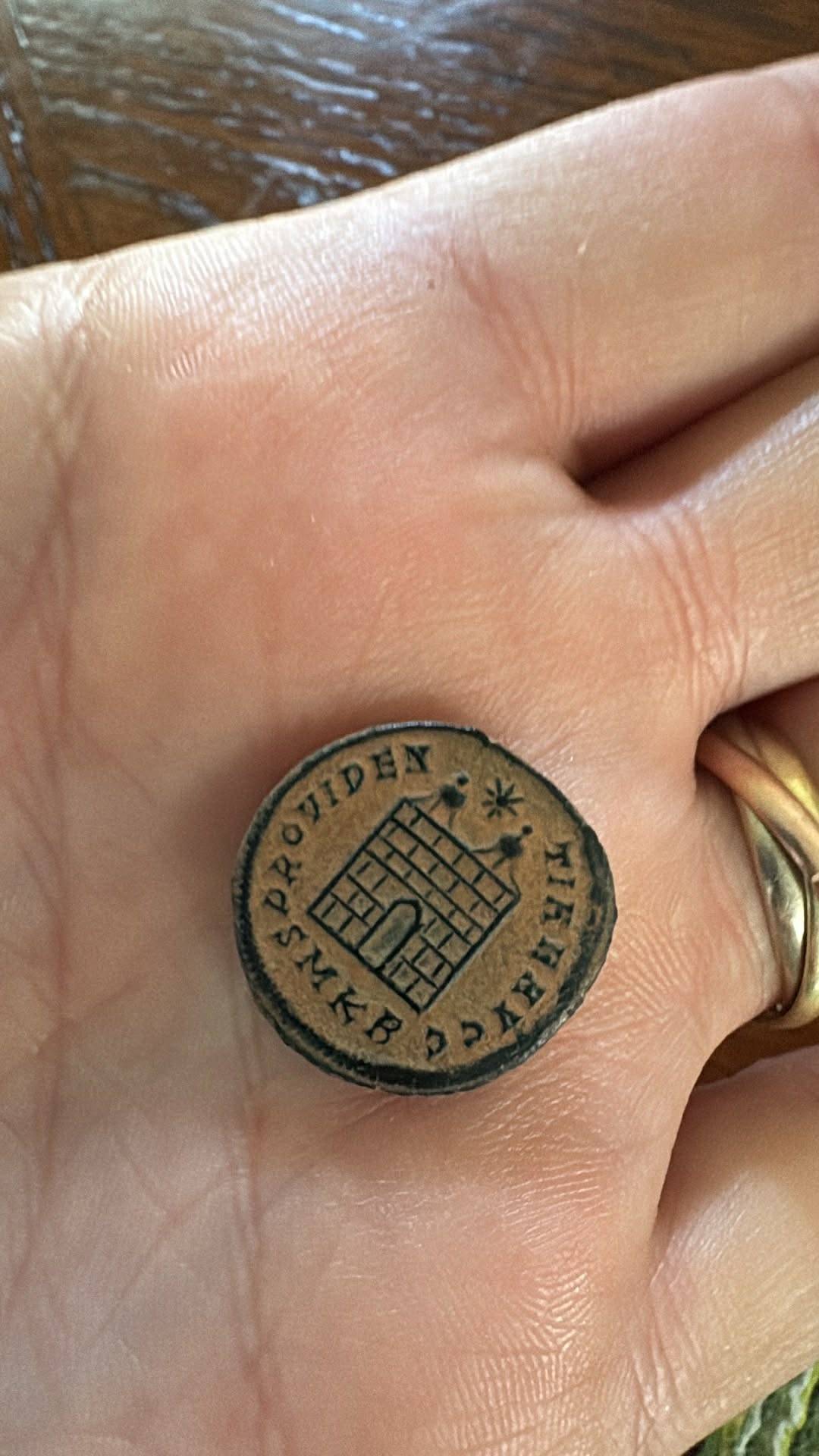
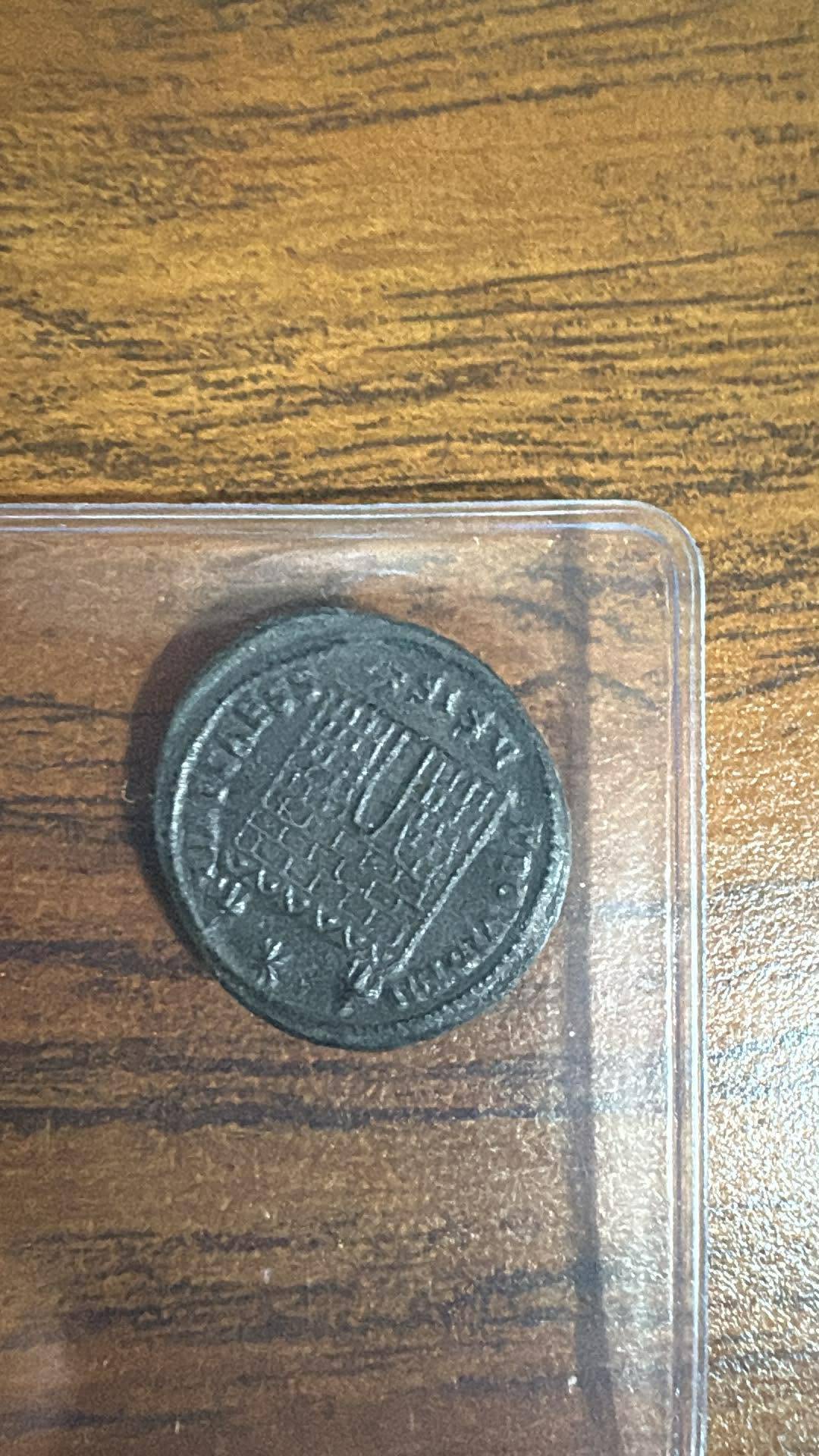
Constantine the Great effectively ruled from 306 to 337 AD. He was pivotal in the spreading of Christianity throughout the empire. He reunited the Roman Empire after defeating rivals Maxentius and Licinius, becoming the sole ruler by 324 AD effectively shelving Diocletians tetrarchy forever, and finally he established a new eastern capital at Constantinople. The coins reverse is your standard Constantine folis depicting a camp gate with two towers and a star in the middle. This coin was minted in Cyzicus between 324-325 AD, and the star represented the victories and triumphs of the emperor. The inscription is PROVIDENTIAE AVGG which translates to Of the Providence of the Augusti. the reverse is a bust of Constantine with his standard titles CONSTAN-TIVS AVG. This is another one of my favorite pick-ups from the haul. I love the soil coloring on the folis. It gives it a really greek vibe with the orange dirt and brown copper. (RIC 24,B)
The Final coin of the lot is of Emperor Constantius II not to be confused with his two other brothers( co-emperors) with awfully similar names, Constan, and Constantine II. He initially ruled the eastern empire/provinces from 337-353 AD. Then around 353 AD when all of his brother and usurpers had died he became the sole ruler of the Empire until his untimely death due to illness around 361 AD naming Julian the Apostate his Successor. As for the coin it was minted in Sisica around 228-229. The bust is of a younger Constantius when he was still just Caesar. His titles where as follows FL IVL CONSTANTIVS NOB C or Flavius Iulius Constantius Nobilissimus Caesar. The titles just being his name then followed with "the most noble Caesar". The obverse is of a camp gate, pretty typical for coin design of this period, the latin going around the gate is PROVIDEN-TIAE CAESS or Providence essentially a byproduct of Diocletian's shift from the principate to divine right and CAESS meaning Caesaris or of the Caesar and the second S on CAESS representing more than one Caesar i.e. Constantius multiple brothers. ( RIC VII, 217)
1973 Isle of Man Half Sovereign. I remember getting it for relatively little some years ago. Prices have gone mad. It was a product of Pobjoy British Mint which issued commemorative, legal tender and bullion coins from 1965 to 2023. Now they make custom jewellery. Altho based in Surrey, England they issued quite a few Manx coins in gold and platinum. Perhaps these were commissioned by either its government or financial services industry. The Isle of Man is a notorious tax haven. Pobjoy have done Olympics, World Cup, Pokemon, Harry Potter and other coins.
Banknotes of Japanese occupied Netherlands East Indies, now Indonesia. I posted already a note of the colonial administration in exile or returning printed by a US company. Posted again for comparison.