Historical images - Images that made history

  • Want to keep track of this thread?
    Accounts can bookmark posts, watch threads for updates, and jump back to where you stopped reading.
    Create account
The audio of him cursing out the idiots who sent him up to die because he already knew when he went up that the mission was doomed.

https://youtube.com/watch?v=3Z_m7onLw74
He volunteered for the doomed mission, knowing he was going to die, so that his friend Yuri Gagarin would not die.
All for nothing because Gagarin died in a fucking plane accident a year later.

Still, for what it was worth, that's one hell of a friend.
 
717289

Yamaguchi's assassination of Asamuma. Largely prevented communism from spreading to Japan. (you can thank this guy for anime.)
 
717516


Titanic survivors at a screening of A Night To remember in 1958.

EtuMi72TaNd9YUsJGHY_02KMO4L0MmmfOu-lcsdxfTI.jpg


This is a sketch made by 17 year old Titanic survivor Jack Thayer the morning after the sinking. His controversial claim that the ship had broken in the middle during sinking was met with skepticism. Only until Robert Ballard found the ship was it established the breakup had indeed happened.

Jack Thayer had a tragic life after the sinking. If people are interested in his story I recommend that they should look him up.

 
Last edited:
717734

Walt Disney filming a scene from the Alice Comedies on a dirt lot by his Uncle Robert's house. The girl who was Alice was Virgina Davis.

If you don't know what the Alice Comedies was, it was Walt's first foray into animation about Alice's dream adventures in a cartoon world. This was before Oswald the Lucky Rabbit.
The picture used was from this link.
 
The real tragedy was, even then, even flying an underdeveloped and untested prototype craft, even knowing it would probably kill him, even after it had critically malfunctioned, just like he knew it would, in spit of it all, he ALMOST made it back.

Through a remarkable personal effort, he got himself lined up for a proper return and survived reentry, only to die because of a final malfunction of his parachutes, causing him to hit the ground as a human meteorite.

Astronauts/Cosmonauts are made of some pretty stout stuff.


The "daredevil" nature of F-1 in the 60's and early 70's can only really be appreciated by looking at the Wikipedia list of F1 drivers who died in that era. It's shockingly long, but understandable when you realize that a culture of safety didn't exist. Most tracks had no retaining walls, and if they did, they were either flammable haybales, or flimsy metal highway barriers that did nothing, except decapitate you if you hit them wrong. One of the more ghoulish ways to go, and it wasn't even a one-time event. As shown in the film Drive, (a large part of it centered on Nikki Lauda recovering from a fiery near-fatal accident at Nuremburg) shows the aftermath of an F-1 crash at Watkins Glen wherein a car was able to punch through the poorly-secured lower section of guardrail, leaving the top section intact for the driver to run face-first into with predictably messy results. Such an accident happened twice in the early 70's, killing both Francois Cevert and Helmuth Konigg.

There also were no dedicated safety personnel/marshals. Fire equipment, if it was present, was locally provided by volunteers who knew little about rescue/firefighting in a race setting, and didn't have modern extraction tools to get someone trapped in a wrecked car out quickly.

In an oft-told story by Jackie Stewart, he recalls the time that he crashed at Spa in 1966 and not only spent an inordinate amount of time trapped in his car, pinned by the steering wheel, as it slowly filled with leaking gasoline, but once they got him out.... the ambulance got lost on the way to the hospital.
You're thinking of the movie Rush
 
tumblr_o9eyp4oWXJ1qazanuo1_1280.jpg


tumblr_o9eyp4oWXJ1qazanuo2_1280.jpg


tumblr_o9eyp4oWXJ1qazanuo3_1280.jpg


Londoners carrying on during the Killer Fog of 1952 (AKA The Great Smog). It lasted 5 days, killed 4,000 people and made 100,000 ill. These pictures were taken in daylight.
 
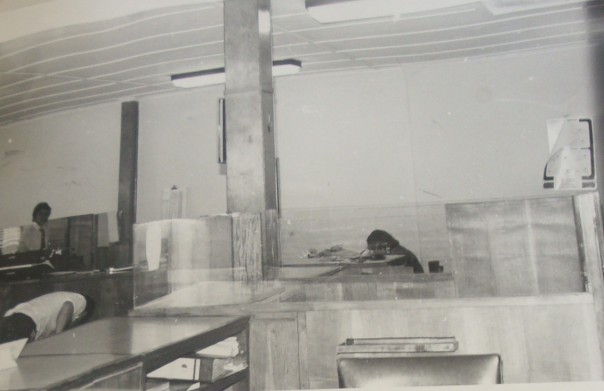
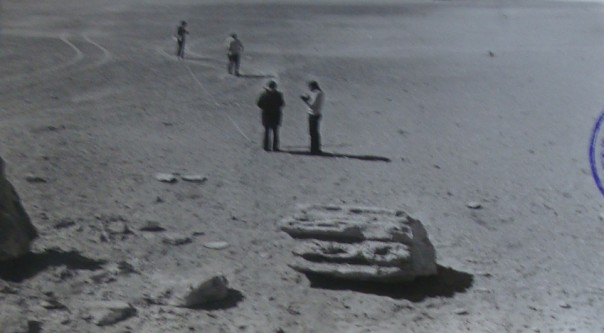
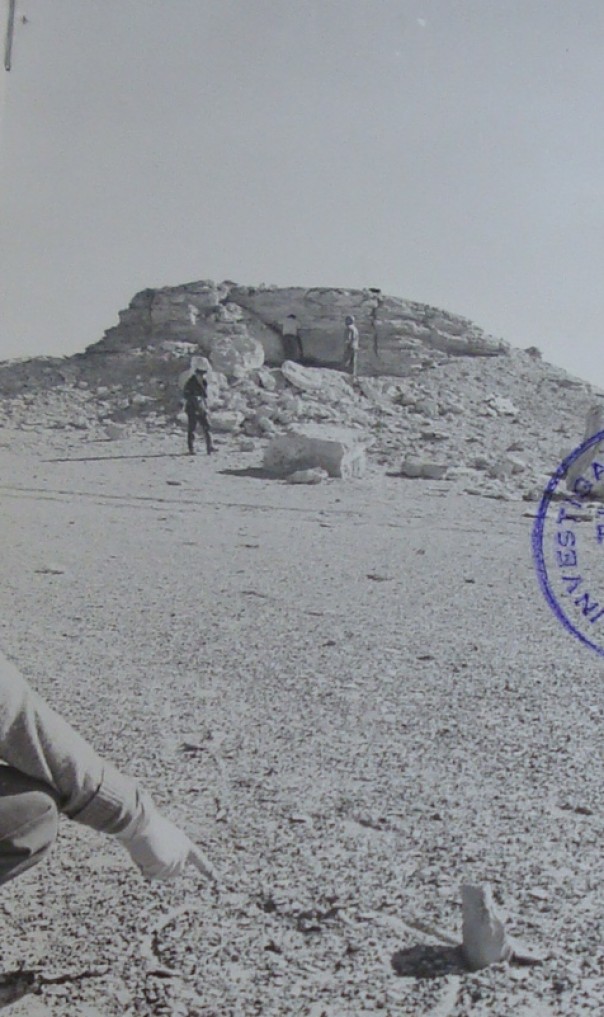
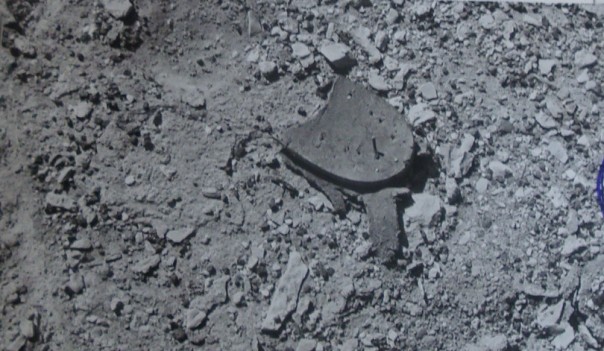
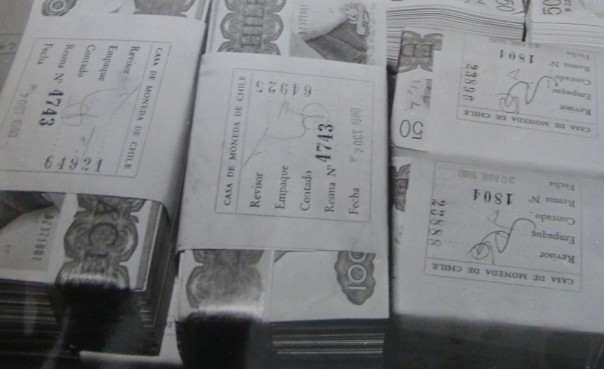
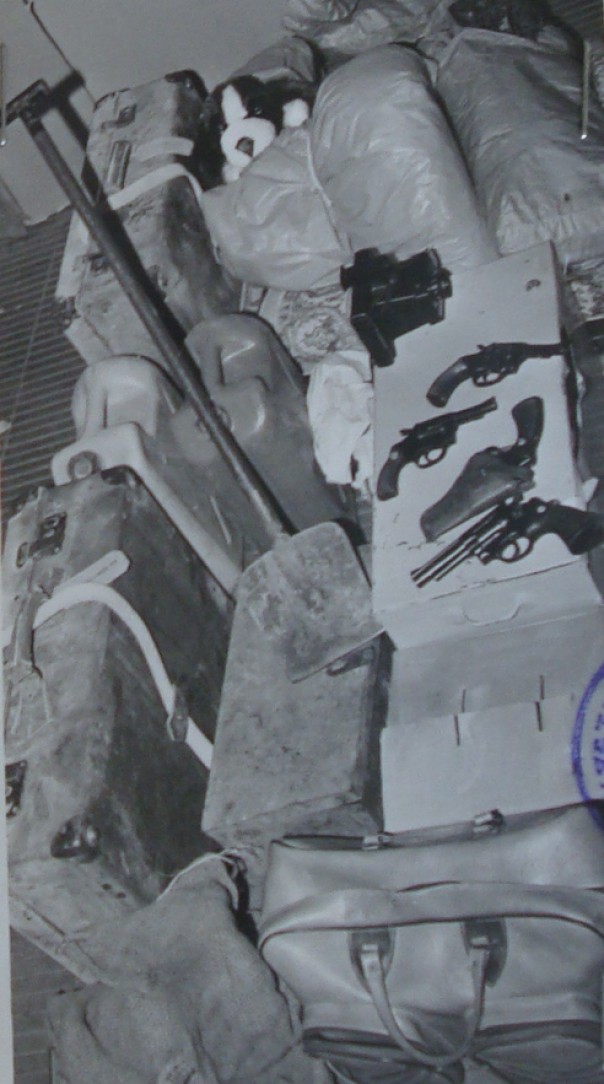
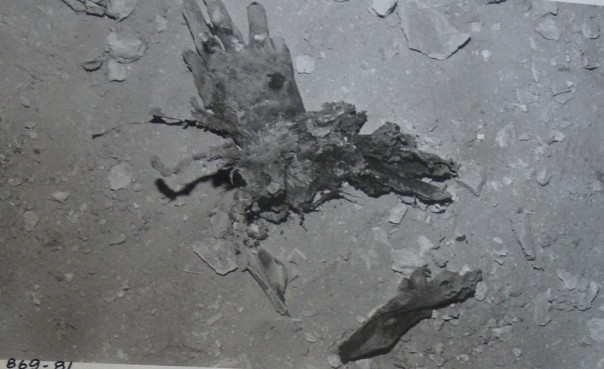
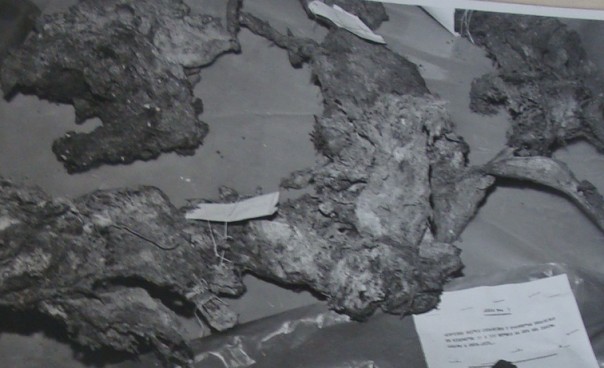
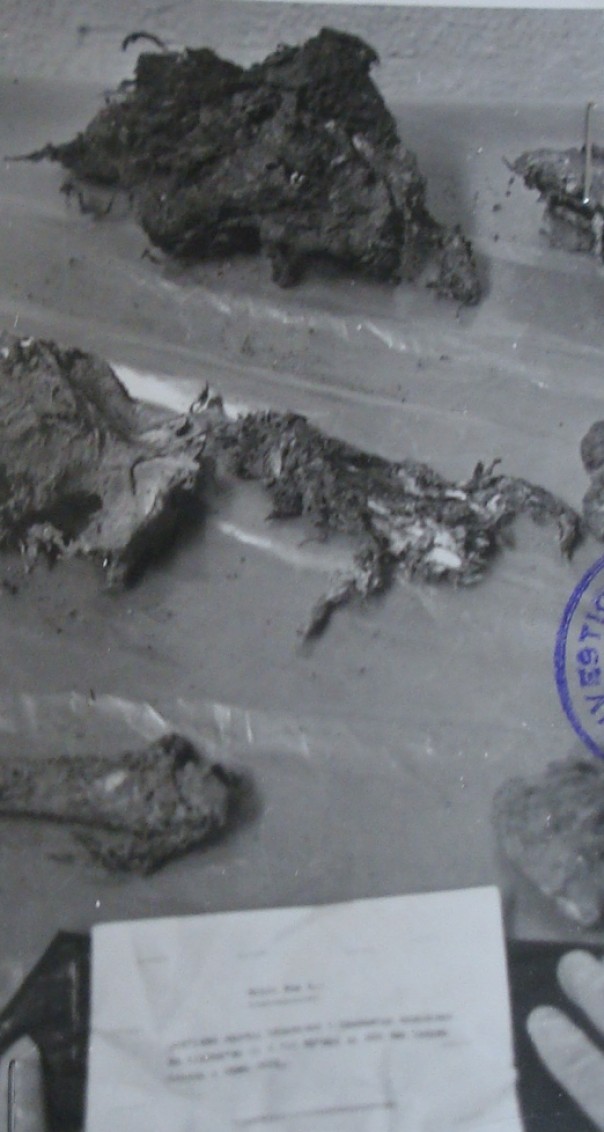
Forensic pics of a brutal double-murder which occurred outside Calama (Chile), in 1981. 2 CNI# members convinced 2 bank employees to join a "simulated robbery", but after the guys ran their asses to the desert with the booty (which was CLP $45.000.000 of the time##), the CNI members shot both employees there and blew them to pieces with TNT. ###

The 2 murderers were sentenced to death and got executed by a firing squad in 1982, while 3 accomplices received life-imprisonement and 5-years-in-jail sentences. There was a CNI Chief (from Arica) who got accused of being the brain of the robbery and murders, but was found dead inside his car and a judge claimed he "offed himself" despite the evidence smelled fishy.
__

The bank, where the robbery took place:

Aw83Tj5.jpg

9BBisjI.jpg


Outside Calama, where the police officers found the victims' remains and pieces of clothes:

H5DFj7R.jpg

CGJ6Ms3.jpg

BTvFFNB.jpg

iwfJg3I.jpg


Some evidence (dat dog plushie, tho):

xKOH96Q.jpg

xxvzkSS.jpg


The victims' remains:

qwX2Ar3.jpg

QUh5e9I.jpg

EhAKVDg.jpg


The CNI Chief who "killed himself", according to a judge. The photo appeared in a local newspaper.

XHXk3pv.jpg

#= "Central Nacional de Informaciones (National Information Center)", a secret police agency which was DINA's successor from 1977 until 1990.
##= CLP $1.093.351.993 nowadays, which is around USD $1.643.417
###= Some sources claimed that the victims survived the gunshot wounds, but got killed by the explosion. Regardless on if it was true or not, what happened to them was fucked up.
 
Last edited:
Londoners carrying on during the Killer Fog of 1952 (AKA The Great Smog). It lasted 5 days, killed 4,000 people and made 100,000 ill. These pictures were taken in daylight.

Same thing happened on a smaller scale in 1948 in Donora, Pennsylvania. A mill town in a river valley near Pittsburgh. During the last week of October, an unusual temperature inversion blanketed the valley and trapped the smog produced by the local steel and zinc mill at ground level, with every passing car and train adding to the size and toxicity of the cloud. (The mills made it worse by refusing to shut down until 3 days in, refusing to believe they had anything to do with the problem....)

Like above, this picture was taken on the streets in the middle of the day.

gettyimages-515485484.jpg


It broke up when a rain system blew through 5 days after it started, but by then, 40 were dead and another 6,000 ill.

Incidents like those led to the first environmental laws to address air pollution.
 
Last edited:
Caps belonging to service members who perished in the Cocoanut Grove Fire of November 28th, 1942.

The popular Boston nightclub caught fire on a Saturday night while packed well above it's legal capacity, the patronage swelled by the Thanksgiving holiday and servicemen on leave.

492 people died due to a combination of highly-flammable interior decorations and a lack of fire exits.
cocoanut-grove-hats-2.jpg
 
The creation of the snow for It's a Wonderful Life (1946). The film was shot during the summer, coinciding with a record heat-wave (Frank Capra actually shut down filming for a day). This is why Jimmy Stewart is sweating profusely during the bridge scene and a few others. This kind of worked because it showed how wracked George was.

2015011200001710.jpg

2014111400001041.jpg
 
Titanic%20sails%20MAIN.jpg


Titanic prepares to leave port, Southampton, 10 April 1912.
Titanic and her 2,222 passengers sailed out of Southampton, England on what would become her first and last Maiden Voyage.

An impressive colorized version of this photo.

 
Caps belonging to service members who perished in the Cocoanut Grove Fire of November 28th, 1942.

The popular Boston nightclub caught fire on a Saturday night while packed well above it's legal capacity, the patronage swelled by the Thanksgiving holiday and servicemen on leave.

492 people died due to a combination of highly-flammable interior decorations and a lack of fire exits.
cocoanut-grove-hats-2.jpg
Wasn't this the fire where they found some patrons still sitting in their seats with glasses in their hands, indicating that they died pretty suddenly without warning?
I think I remember reading that somewhere...

Either way, it's stuff like this that chills me to the bone. So many people had to die for a simple lack of a fire exit sign or complex opening mechanisms for fire exit doors.
 
Wasn't this the fire where they found some patrons still sitting in their seats with glasses in their hands, indicating that they died pretty suddenly without warning?
I think I remember reading that somewhere...

Either way, it's stuff like this that chills me to the bone. So many people had to die for a simple lack of a fire exit sign or complex opening mechanisms for fire exit doors.

Yep, that's the one, a lot of the deaths were due to toxic smoke inhalation and asphyxiation/crush deaths as they stampeded for the only open door. Very few died from actual burning. And people were indeed found dead on their barstools or in booths, suffocated before they knew what was happening.

The Mayor of Boston was scheduled to come to the club that night and celebrate with the Boston College football team who were expecting to hold a victory party after playing Holy Cross earlier in the day. But, in a spectacular upset, Holy Cross humiliated them 55 - 12 in front of representatives of the Sugar Bowl who would almost certainly have given them an invite had they won.

Stunned and disheartened, fans, the team and the Mayor himself all cancelled. Probably the only time a football team was, in retrospect, happy to have lost a big game.
 
Last edited:
Yamaguchi's assassination of Asamuma. Largely prevented communism from spreading to Japan. (you can thank this guy for anime.)
Asanuma was just a pinko who had no chance coming to power with the American-backed LDP firmly in power. If he was really a threat, we would've paid Yamaguchi to take him out.
 
While on the subject, the Coconaut Grove is only the second-deadliest structure fire, in terms of loss of life, in US history.

The grim record holder was the fire at the Iroquois Theater in Chicago, December 30th, 1903.

03_Iroquois_Theater.jpg


The final death toll, a staggering 602.

An electrical fire started backstage during a standing-room-only performance that afternoon and quickly grew into a conflagration as it rapidly consumed the cloth backdrops and stage drapery. While standard practice was to have a fireproof asbestos curtain lowered to protect the audience, the curtain in this case got hung up halfway.

When one of the performers in a panic to escape opened a rear door behind the stage the rush of air blew a wall of flame into the audience. The wooden seats and flammable decorations then all caught, becoming an unstoppable inferno.

Everything that could go wrong, then did go wrong. Many of the exit doors had been locked to prevent people sneaking in without a ticket, those that had not either opened inwards or had non-standard "bascule" latches, not knobs or crash bars. In the dark and panic, these proved impossible to open. Firemen later tasked with removing the bodies said they were ten deep against the doors in places.

A group that managed to get one door high above the third balcony to open found that it opened into.... thin air. The building's fire escape had never been installed, leaving them to plummet three stories to their deaths in the alley below as the crush of the crowd pushed them off the ledge.

Extinguishers and fire buckets were nonexistent as well, the only "firefighting" apparatus were a few small hand-held dry chemical extinguishers meant for putting out a burning trash can at best and utterly useless. There wasn't even a fire alarm on-site, someone had to run down the outside sidewalk to a nearby fire box to call in the disaster.
In addition to not having any fire alarms in the building, the owners had decided that sprinklers were too unsightly and too costly and had never had them installed.

An investigation discovered that the supposedly "fireproof" asbestos curtain was really made from cotton and other combustible materials. It would have never saved anyone at all.

To make matters worse, the management also established a policy to keep non-paying customers from slipping into the theater during a performance -- they had quietly padlocked accordion-style gates at the top of the interior stairways. And just as tragic was the idea they came up with to keep the audience from being distracted during a show. They ordered all of the exit lights to be turned off.

The investigation led to a cover-up by officials from the city and the fire department, who denied all knowledge of fire code violations. They blamed the inspectors, who had overlooked the problems in exchange for free theater passes. A grand jury indicted a number of individuals, including the theater owners, fire officials and even the mayor. No one was ever charged with a criminal act. Families of the dead filed nearly 275 civil lawsuits against the theater but no money was ever collected.
 
Last edited:
Back
Top Bottom