Navigation
Install the app
How to install the app on iOS
Follow along with the video below to see how to install our site as a web app on your home screen.
Note: This feature may not be available in some browsers.
More options
Style variation
You are using an out of date browser. It may not display this or other websites correctly.
You should upgrade or use an alternative browser.
You should upgrade or use an alternative browser.
Historical images - Images that made history
- Thread starter Monika H.
- Start date
-
🏰 The Fediverse is up. If you know, you know.
-
Want to keep track of this thread?
Accounts can bookmark posts, watch threads for updates, and jump back to where you stopped reading.
Create account

- Joined
- Mar 11, 2025
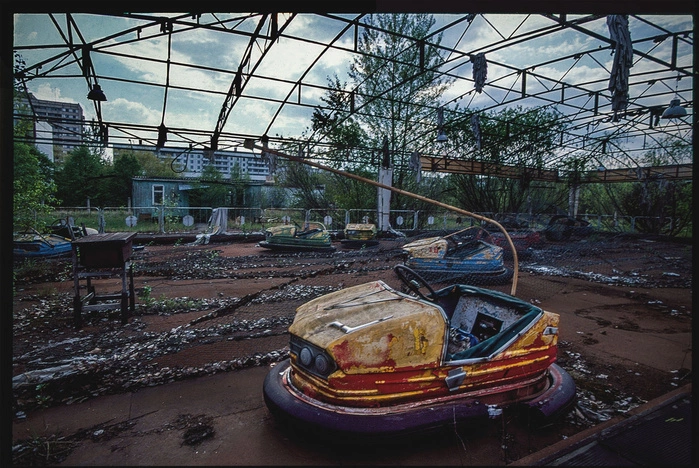
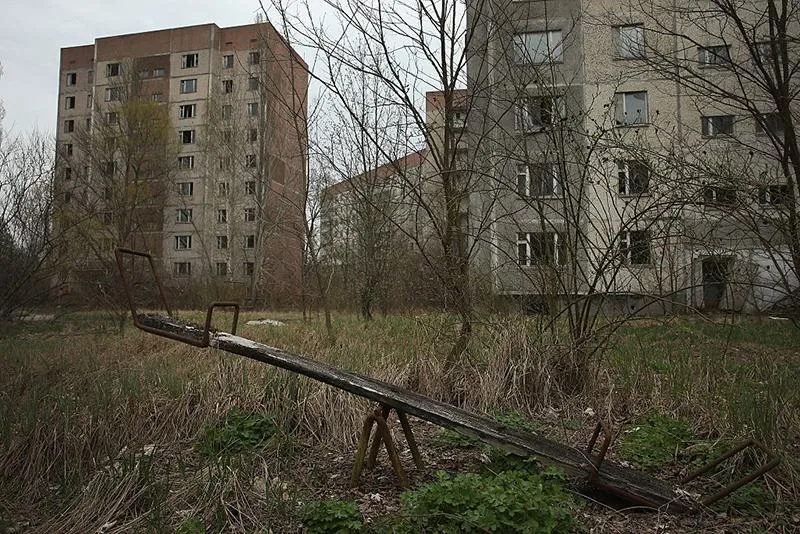
Scenes of Pripyat before the Chernobyl disaster
![ZWV0LmpwZw[1].webp](https://embed.kiwifarms.st/attachments/zwv0lmpwzw-1-webp.7279301/ "ZWV0LmpwZw[1].webp")
![1986_Pripyat_Photo_Album-36[1].webp](https://embed.kiwifarms.st/attachments/1986_pripyat_photo_album-36-1-webp.7279305/ "1986_Pripyat_Photo_Album-36[1].webp")
![October_1996-Swimming_Pool[1].webp](https://embed.kiwifarms.st/attachments/october_1996-swimming_pool-1-webp.7279308/ "October_1996-Swimming_Pool[1].webp")
![pripyat-chernobyl-then-cafe[1].webp](https://embed.kiwifarms.st/attachments/pripyat-chernobyl-then-cafe-1-webp.7279312/ "pripyat-chernobyl-then-cafe[1].webp")
Pripyat afterwards
![MG_6437-copy[1].webp](https://embed.kiwifarms.st/attachments/mg_6437-copy-1-webp.7279314/ "MG_6437-copy[1].webp")
![Swimming_Pool_Hall_4_Pripyat[1].webp](https://embed.kiwifarms.st/attachments/swimming_pool_hall_4_pripyat-1-webp.7279344/ "Swimming_Pool_Hall_4_Pripyat[1].webp")
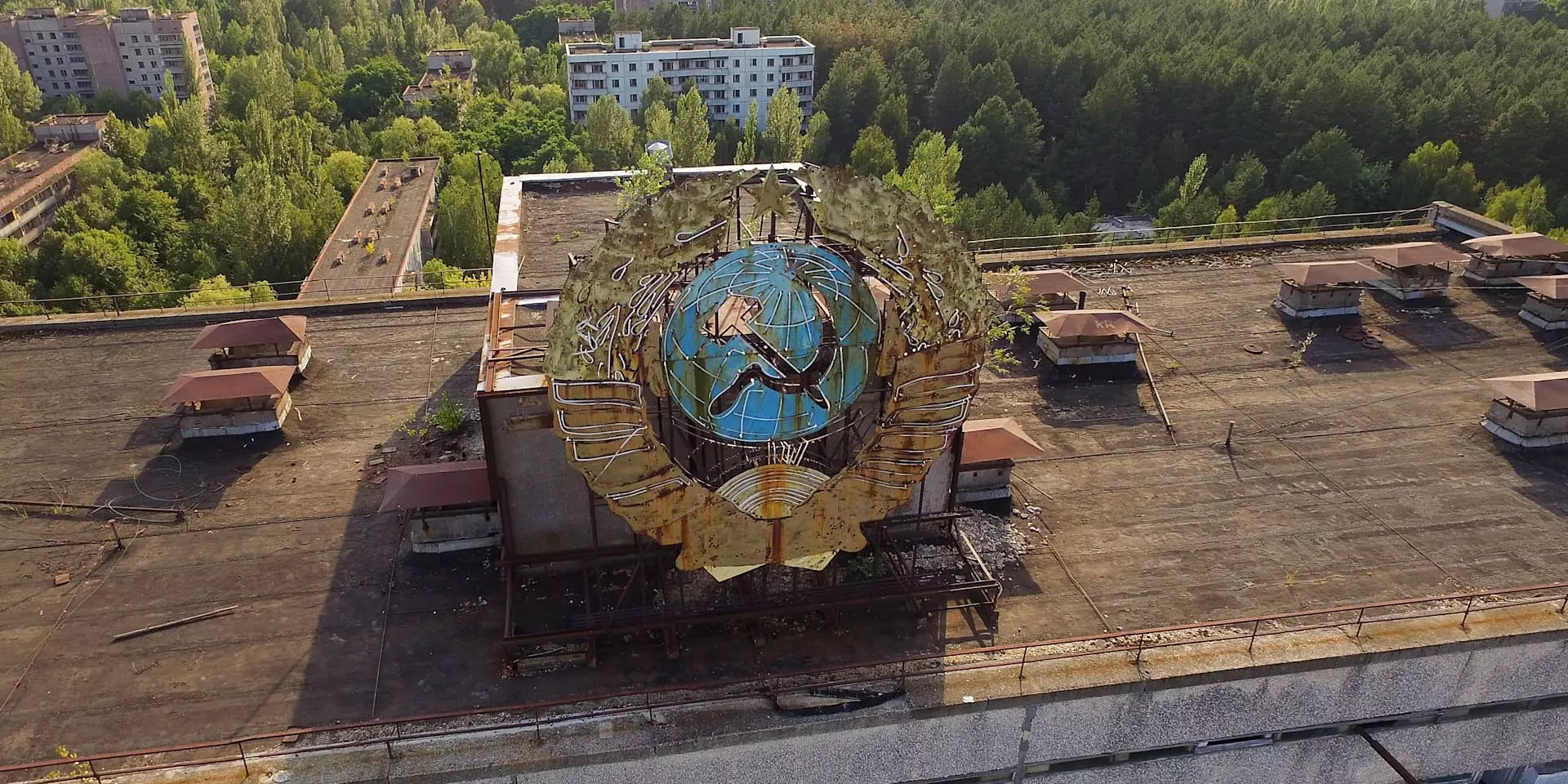
Like many former communist cities and relics, it rots away to this day. The rotting hammer and sickle is symbolic of the ideology since 1989 (or 1986 since the disaster).
Pripyat afterwards
Like many former communist cities and relics, it rots away to this day. The rotting hammer and sickle is symbolic of the ideology since 1989 (or 1986 since the disaster).

- Joined
- Sep 3, 2014
Indeed, in 1916, during the planning of the Easter Rising, an idea for it to be bombed alongside other British icons to mark the start of the rising was suggested, but was dismissed as it proved too difficult to co-ordinate and its base provided good cover for relocation. It remained intact throughout the conflict and was one of the few monuments in Inner City Dublin to suffer only minor damage.
While the Irish Free State reformed much of Sackville Street (renaming it O'Connell Street and placing large monuments to Irish Reformists and Nationalists), Nelson's Pillar remained. Apart from repeated calls for it to be torn down or replaced (Robert Emmet or Padraig Pearce were the most popular figures suggested), it avoided any damage until the 50th Anniversary of the Easter Rising. In the early morning of the 8th of March, a large explosion collapsed the half the pillar and destroyed much of the statue. There was minor damage to the surrounding area and no casualties.
Despite the presumed belief of the IRA being responsible, they denied responsibility, and an investigation did not produce any viable suspects. It remains a cold case. A popular theory was the involvement of the Spanish separatists ETA, as they were known for their close ties to the IRA and their expertise with explosives. The reaction from the public was mostly of derision and indifference. Two songs detailing the explosion charted in Ireland and the U.K., the second "Nelson's Farewell" by The Dubliners presented the event as Ireland's contribution to the ongoing Space Race.
The site of the pillar remained empty for a short period, being briefly replaced by a fountain based on a Joycean personification of the river Liffey in the 1980s, before being permanently replaced by The Spire in 2003 which still stands.
Both monuments proved to be unpopular, The Spire in particular for not representing anything other than the state of materialism in Ireland in the 1990s and a lost sense of Nationalism. Nelson's Pillar in retrospect has gained a positive aesthetic reputation.
Let him watch the sky
With those who rule.
Stone eye
And telescopes can prove
Our blessings are above
Last edited:

- Joined
- Jul 12, 2019
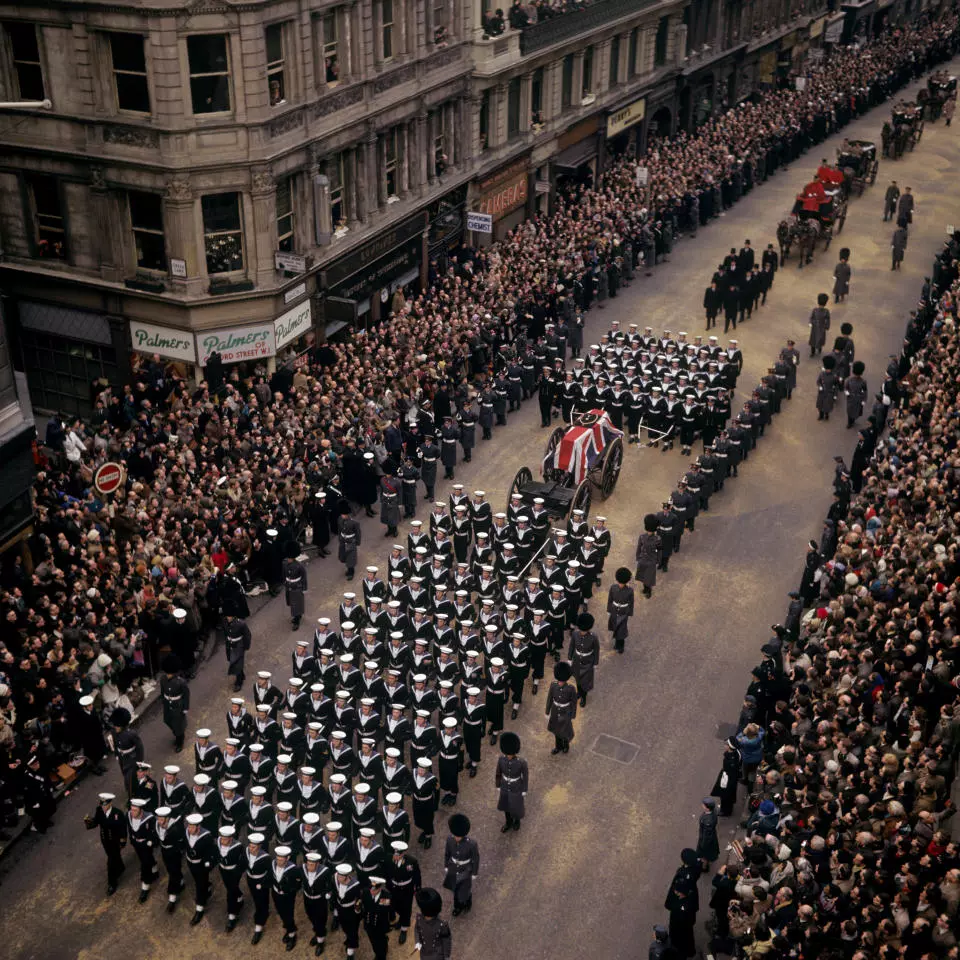
Photo from Winston Churchill's funeral procession in 1965:

- Joined
- Nov 17, 2024
The Rat King sub-forum getting merged with the Stinkditch, Colorized (Circa, 2025)


- Joined
- Jan 1, 2020
A very old school poster that was an advertisement for OutKast’s celebrated classic hip-hop album, ATLiens.
In related news, they are this year’s inductees for the Rock & Roll Hall of Fame

- Joined
- Jan 3, 2021
Louis Daguerre is recognized for his invention of the eponymous Daguerreotype process of photography which was introduced worldwide in 1839. It involved exposing a polished silver-plated copper plate sensitized with iodine, to capture a direct positive image. The process involved exposing the plate to light, then developing the image with mercury vapor.
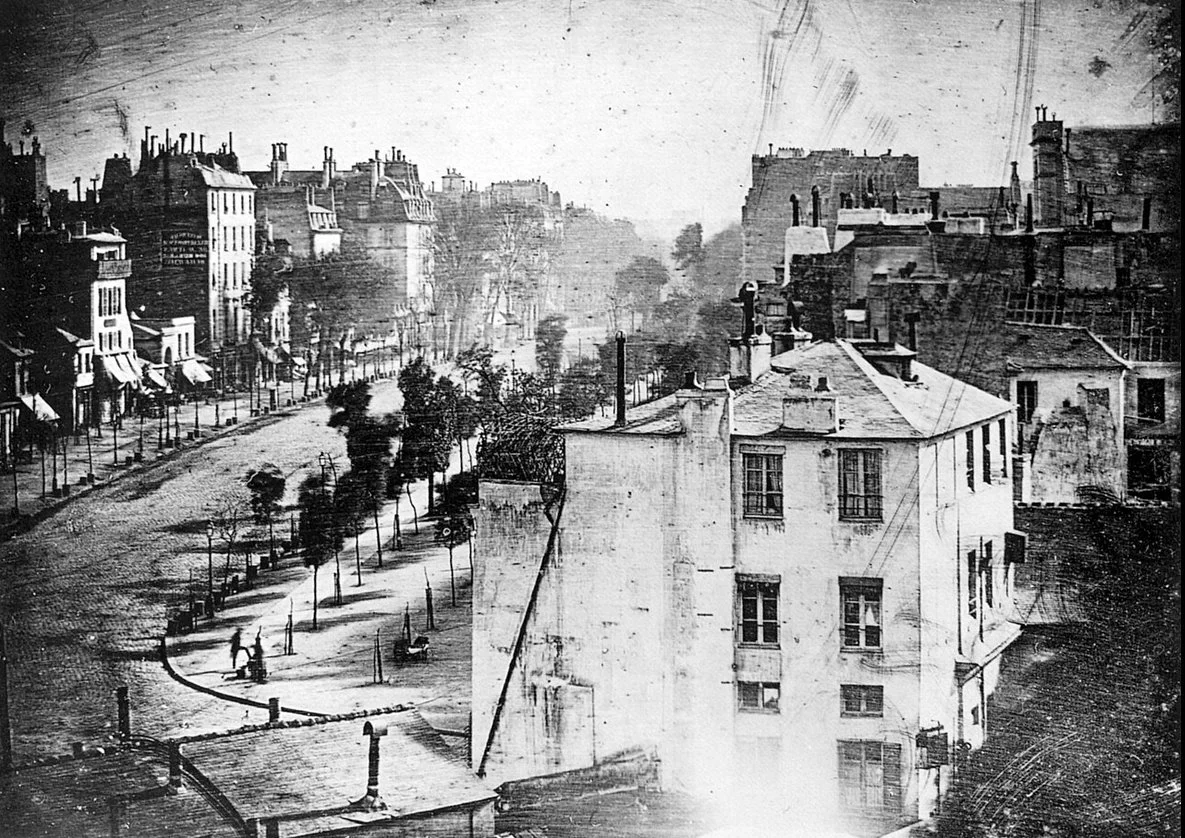
Boulevard du Temple, Paris. Made in 1838 this is believed to be the earliest photograph showing a living person. It is a view of the busy street but because the exposure lasted 4-5 minutes the moving traffic left no trace. In the bottom left corner there are two men, one who is apparently having his boots shined.
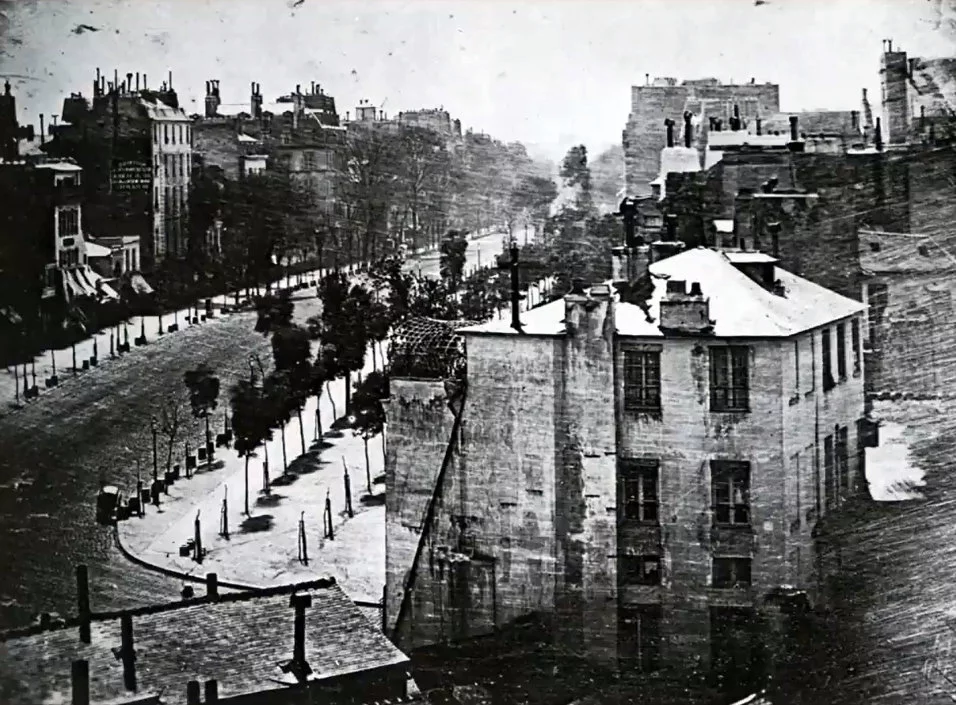
Boulevard du Temple, Paris - this image was taken later in the same day judging from the position of the shadows.
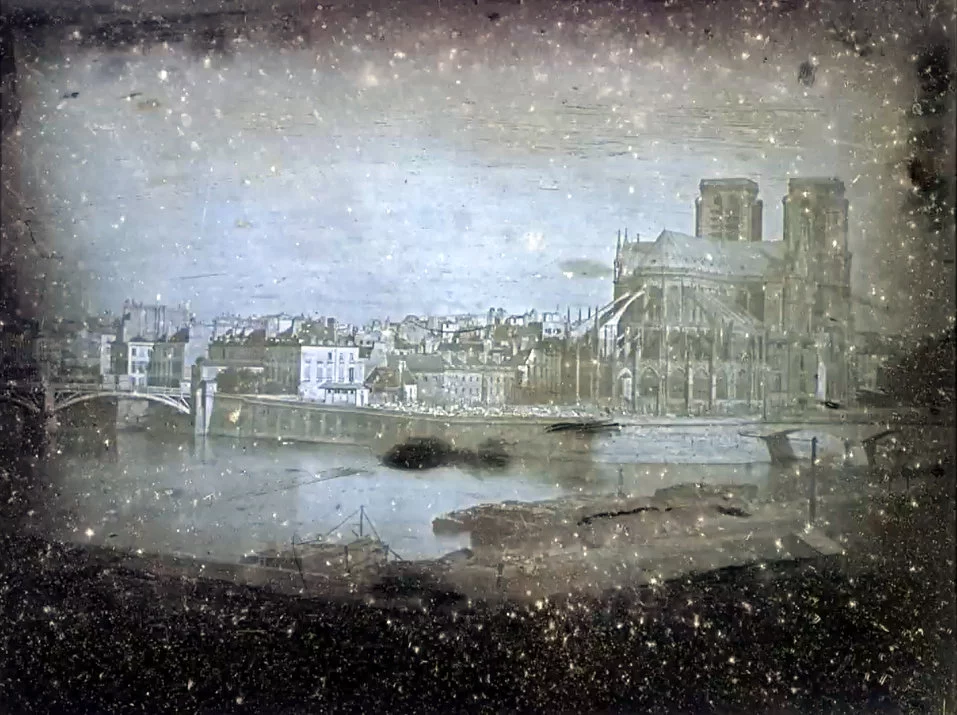
View of the rear of Notre-Dame Cathedral and the surrounding area, Paris, c. 1838.
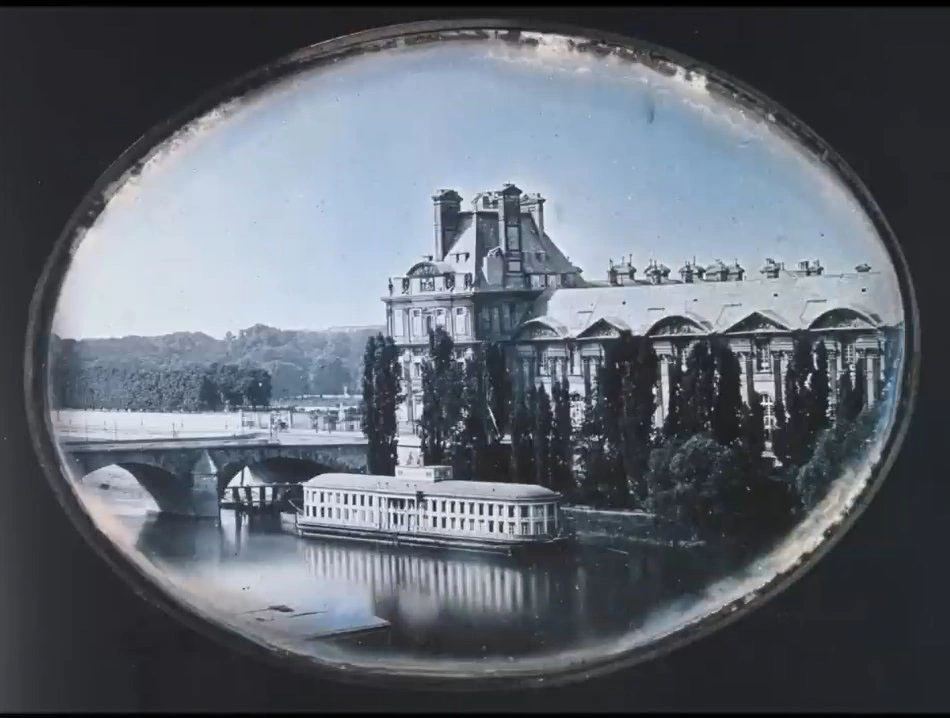
The Pavilion de Flore and the Point Royal, 1839.
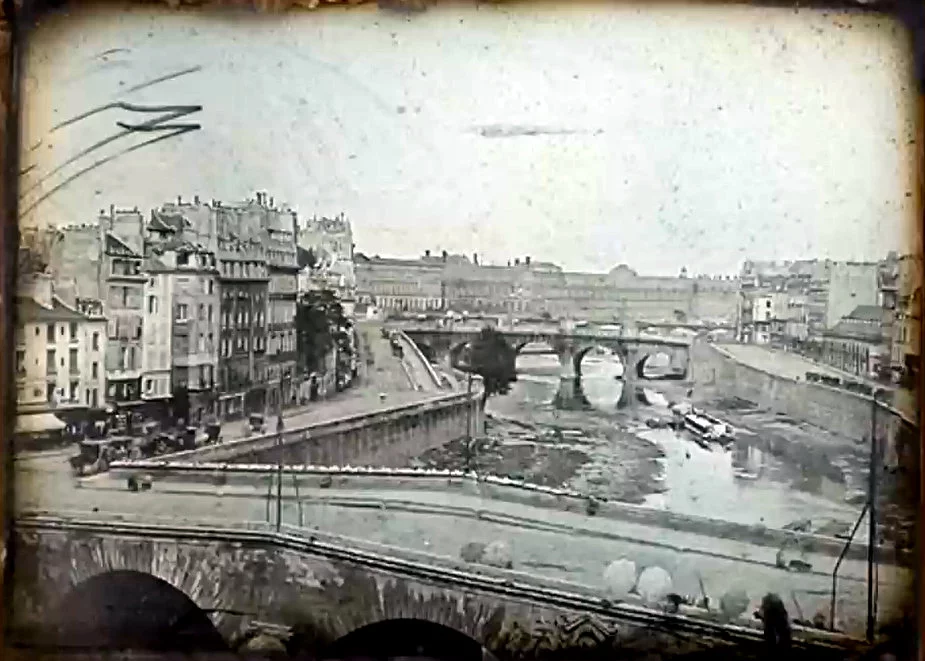
View of the Seine River, 1839.
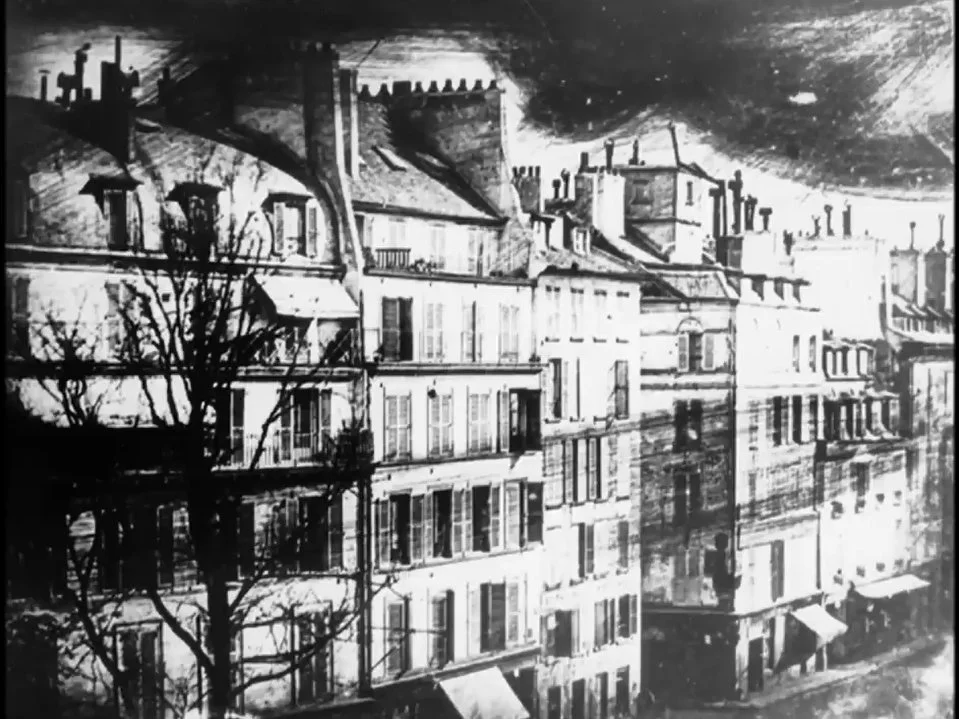
Houses on the Saint-Martin Boulevard taken from the photographer's apartment, 1839.
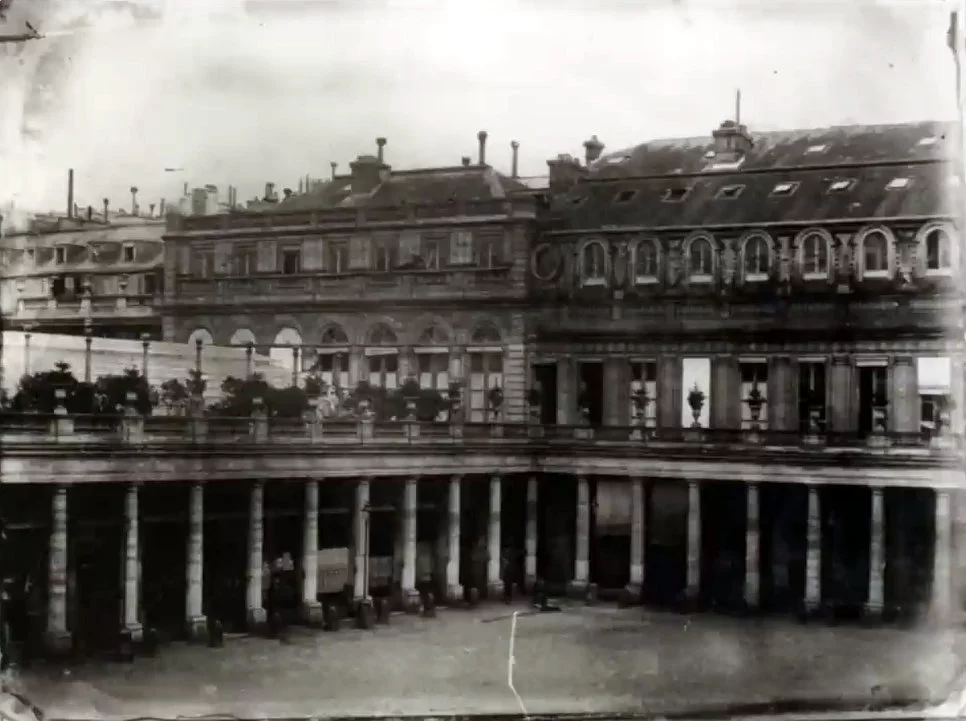
The Palais Royal, Paris. 1839
Boulevard du Temple, Paris. Made in 1838 this is believed to be the earliest photograph showing a living person. It is a view of the busy street but because the exposure lasted 4-5 minutes the moving traffic left no trace. In the bottom left corner there are two men, one who is apparently having his boots shined.
Boulevard du Temple, Paris - this image was taken later in the same day judging from the position of the shadows.
View of the rear of Notre-Dame Cathedral and the surrounding area, Paris, c. 1838.
The Pavilion de Flore and the Point Royal, 1839.
View of the Seine River, 1839.
Houses on the Saint-Martin Boulevard taken from the photographer's apartment, 1839.
The Palais Royal, Paris. 1839

- Joined
- Apr 28, 2021
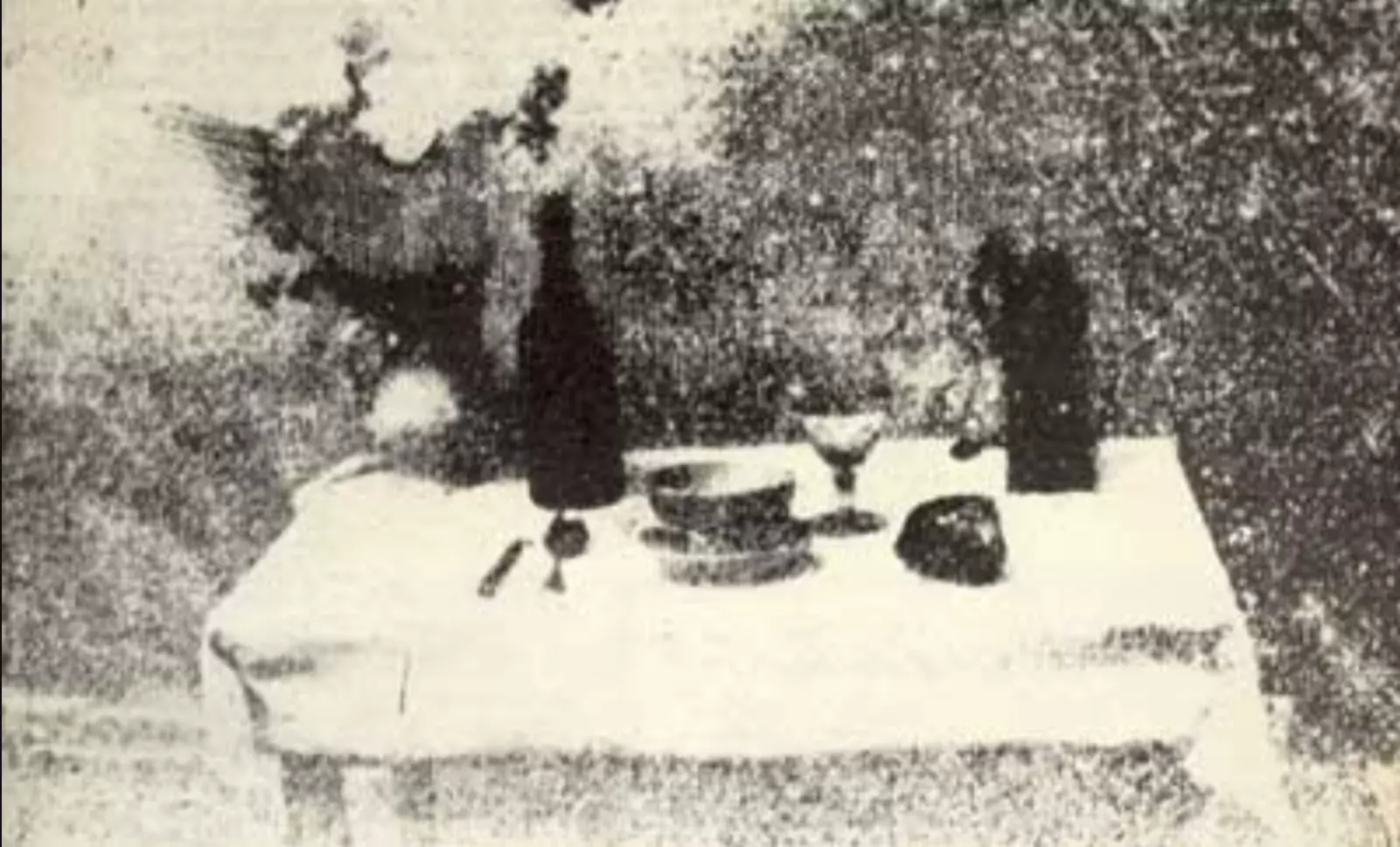
Still life of a set table, by Joseph Nicéphore Niépce, 1824-1833, the second earliest known camera photograph of which any visual record has survived. It is seen here in a late 19th century printed reproduction. The original, which was on glass, disappeared very early in the 20th century and is presumed to have been accidentally destroyed
- Joined
- Mar 11, 2025
Happy reunification day to Vietnam.

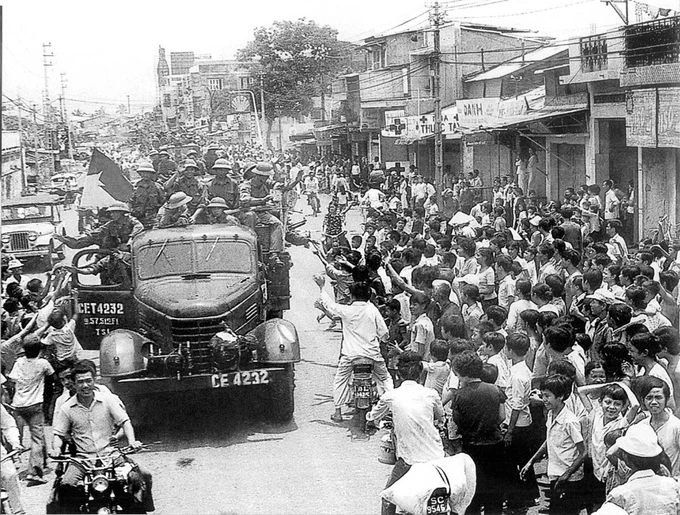

A parade celebrating the war finally being over, welcoming the Viet Cong, and a rally welcoming the North in.

Mother and son reunite after being separated.
![cover_011_AP_461322863197[1].webp](https://embed.kiwifarms.st/attachments/cover_011_ap_461322863197-1-webp.7290582/ "cover_011_AP_461322863197[1].webp")
Shoving the helicopter into the sea to make space so aircrafts could land
![o-SAIGON-APRIL-30-1975-900[1].webp](https://embed.kiwifarms.st/attachments/o-saigon-april-30-1975-900-1-webp.7290611/ "o-SAIGON-APRIL-30-1975-900[1].webp")
![635657372435306745-Arnett-Saigon-Fallen-01[1].webp](https://embed.kiwifarms.st/attachments/635657372435306745-arnett-saigon-fallen-01-1-webp.7290603/ "635657372435306745-Arnett-Saigon-Fallen-01[1].webp")
![17Nguyen2-articleLarge[1].webp](https://embed.kiwifarms.st/attachments/17nguyen2-articlelarge-1-webp.7290623/ "17Nguyen2-articleLarge[1].webp")
Those who supported the South Vietnamese government fled, fearing reprisal from the communists. Even storming over the US embassy gates.
![TraiCaiTao[1].webp](https://embed.kiwifarms.st/attachments/traicaitao-1-webp.7290635/ "TraiCaiTao[1].webp")
![traicaitao-1-300x201[1].webp](https://embed.kiwifarms.st/attachments/traicaitao-1-300x201-1-webp.7290637/ "traicaitao-1-300x201[1].webp")
Unfortunately, ARVN soldiers, supporters of the South Vietnamese government who didn't destroy any proof, or fled the country were sent to labor camps.
A parade celebrating the war finally being over, welcoming the Viet Cong, and a rally welcoming the North in.
Mother and son reunite after being separated.
Shoving the helicopter into the sea to make space so aircrafts could land
Those who supported the South Vietnamese government fled, fearing reprisal from the communists. Even storming over the US embassy gates.
Unfortunately, ARVN soldiers, supporters of the South Vietnamese government who didn't destroy any proof, or fled the country were sent to labor camps.

- Joined
- Feb 1, 2015
12 May 1953 in Vong Tanh, Tonkin (North Vietnam)
From left to right:
1. Engineer 1st class Laurent, from Basse-Terre, Guadeloupe (French Caribbean)
2. Engineer Corporal Forcet, from Biscarosse, France
3. Colonial Paratrooper 2nd class Thanh, from Saigon (South Vietnam)
4. Engineer 1st class Accus, from Troisilit in Martinique (French Caribbean)
5. Colonial Artillerist 2nd class Jolali Bemaral, from Marrakech (French Morocco)
posed photo to show off the ethnic diversity of the French expeditionary forces in Vietnam.

Ventrue
kiwifarms.net
- Joined
- Oct 31, 2023
Abraham Lincoln funeral procession: April 25, 1865
A photo was taken of the President’s funeral procession as it moved down Broadway in New York City. Passing by the house on the corner was that of Cornelius van Schaack Roosevelt, the grandfather of future President Teddy Roosevelt and his brother Elliot. In the second-story window of the Roosevelt mansion the heads of two boys are peering out onto Lincoln’s funeral procession.
Teddy Roosevelt’s wife, Edith Kermit Carow Roosevelt confirmed that the faces in the windows were those of a young future President and his brother. “Yes, I think that is my husband, and next to him his brother,” she exclaimed. “That horrible man! I was a little girl then and my governess took me to Grandfather Roosevelt’s house on Broadway so I could watch the funeral procession. But as I looked down from the window and saw all the black drapings I became frightened and started to cry. Theodore and Elliott were both there. They didn’t like my crying. They took me and locked me in a back room. I never did see Lincoln’s funeral.”
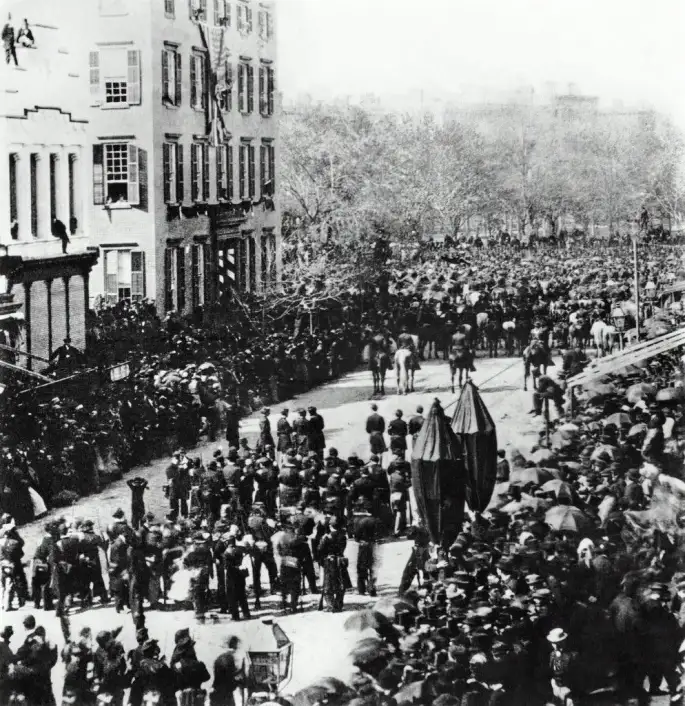
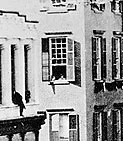
A photo was taken of the President’s funeral procession as it moved down Broadway in New York City. Passing by the house on the corner was that of Cornelius van Schaack Roosevelt, the grandfather of future President Teddy Roosevelt and his brother Elliot. In the second-story window of the Roosevelt mansion the heads of two boys are peering out onto Lincoln’s funeral procession.
Teddy Roosevelt’s wife, Edith Kermit Carow Roosevelt confirmed that the faces in the windows were those of a young future President and his brother. “Yes, I think that is my husband, and next to him his brother,” she exclaimed. “That horrible man! I was a little girl then and my governess took me to Grandfather Roosevelt’s house on Broadway so I could watch the funeral procession. But as I looked down from the window and saw all the black drapings I became frightened and started to cry. Theodore and Elliott were both there. They didn’t like my crying. They took me and locked me in a back room. I never did see Lincoln’s funeral.”
- Joined
- Apr 28, 2021
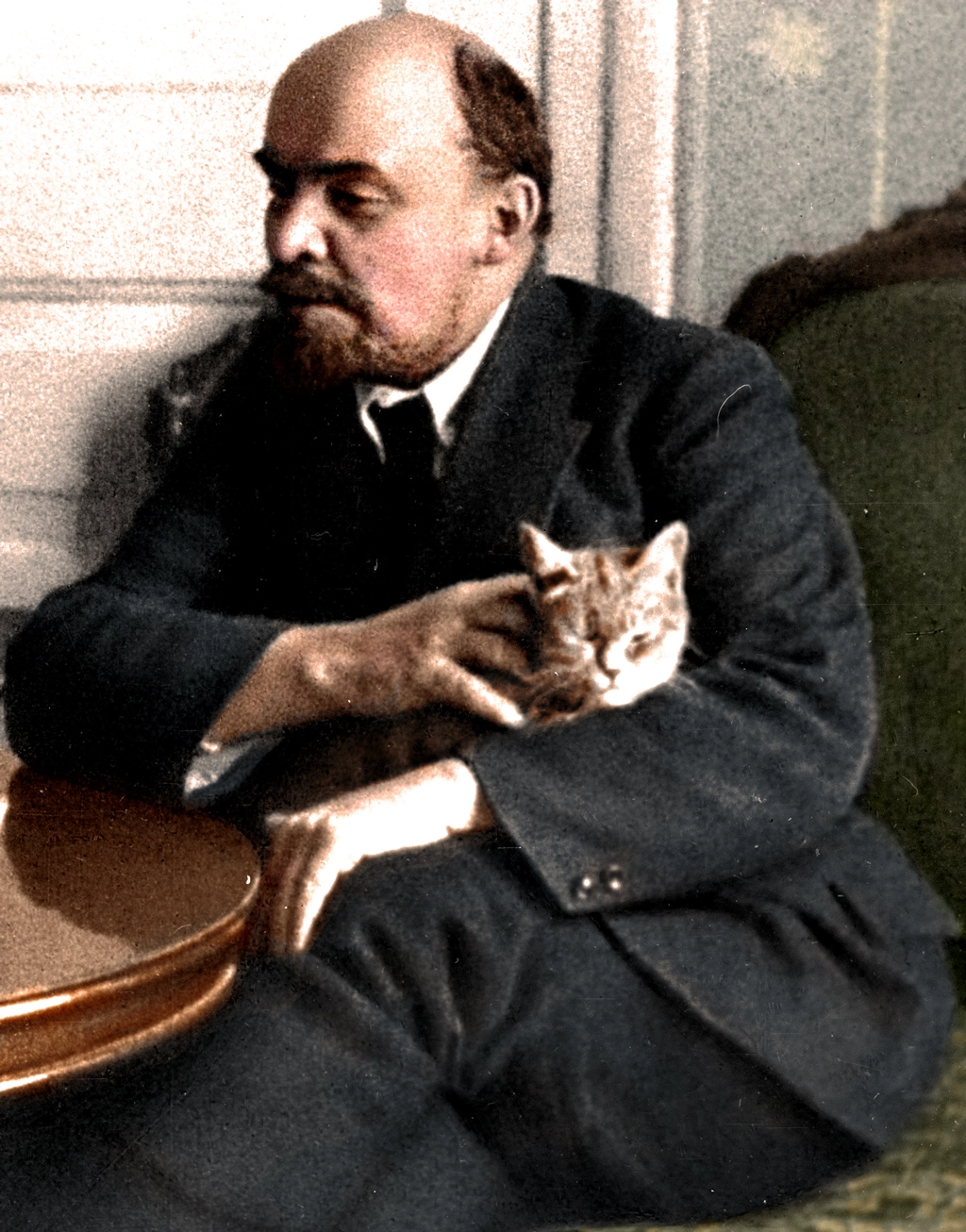
Lenin and his cat.
- Joined
- Sep 3, 2014
Singer Meat Loaf (born Marvin Lee Aday) and Songwriter Jim Steinman during the publicity tour for their seminal album Bat Out of Hell.
- Joined
- Apr 28, 2021

- Joined
- Aug 17, 2018
Katharine Hepburn riding Jack Grant's, her nephew, skateboard in 1967.
- Joined
- Apr 28, 2021
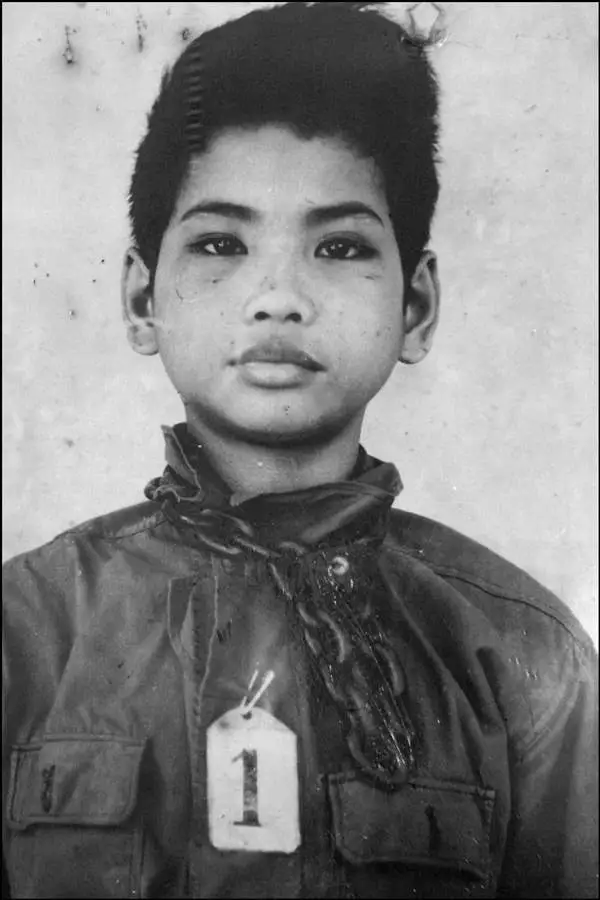
This young boy would grow up to kill 40% of the population of his own country.
- Joined
- Feb 1, 2015
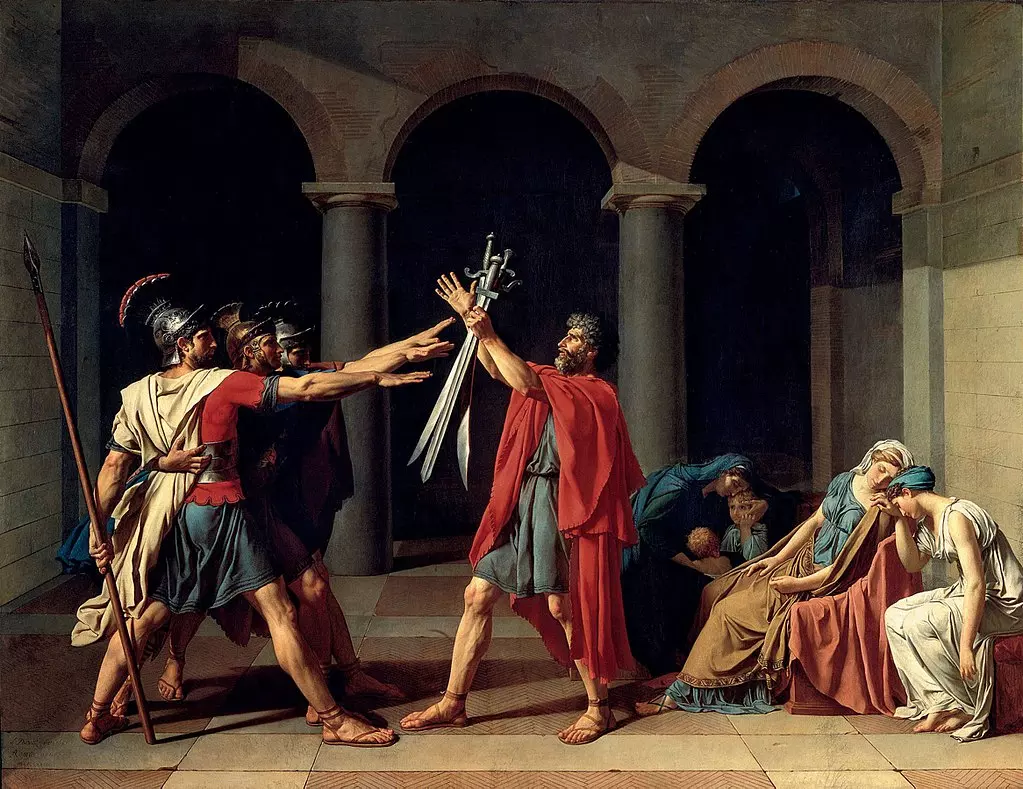
French paratrooper-legionnaires of the 1st Foreign Parachute Battalion emulate the iconic scene of Jacques-Louis David's neoclassical painting "The Oath of the Horatii", during late 1953 or early 1954, somewhere in French Indochina.
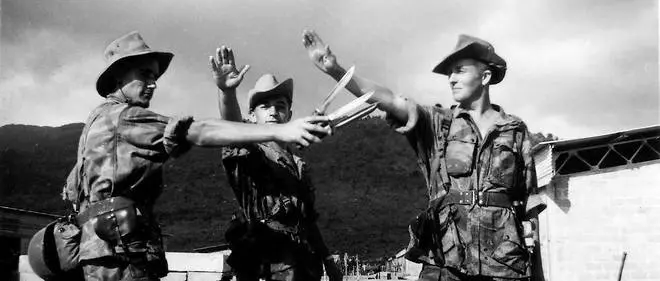
The man on the far-right of the photo is Jean-Marie Le Pen, at the time just a paratroop officer, but after fighting in the wars of decolonization in Indochina and Algeria, he was to become the founder and longtime leader of the French far-right party, Front National, and father of Marine Le Pen.
In place of swords, the legionnaires use WW2 German Mauser bayonets that are cut down to a shorter fighting knife length. Common practice in the Foreign Legion since the early 1900s pacification campaigns against Moroccan and Rif rebels, due to the lack of any officially issued fighting knife in French service, the lack of any cutting blade on standard-issue French spike bayonets, and the availability of Mauser bayonets through battlefield captures and war booty.
The French Foreign Legionnaires of all eras seem to have a historical affinity for the Roman Legions of antiquity, regarding them as the "First Legion", although the legend of "The Oath of the Horatii" predates the Roman Legions and is just a patriotic allegory that was celebrated during the French Revolution as a call to arms.
The man on the far-right of the photo is Jean-Marie Le Pen, at the time just a paratroop officer, but after fighting in the wars of decolonization in Indochina and Algeria, he was to become the founder and longtime leader of the French far-right party, Front National, and father of Marine Le Pen.
In place of swords, the legionnaires use WW2 German Mauser bayonets that are cut down to a shorter fighting knife length. Common practice in the Foreign Legion since the early 1900s pacification campaigns against Moroccan and Rif rebels, due to the lack of any officially issued fighting knife in French service, the lack of any cutting blade on standard-issue French spike bayonets, and the availability of Mauser bayonets through battlefield captures and war booty.
The French Foreign Legionnaires of all eras seem to have a historical affinity for the Roman Legions of antiquity, regarding them as the "First Legion", although the legend of "The Oath of the Horatii" predates the Roman Legions and is just a patriotic allegory that was celebrated during the French Revolution as a call to arms.

- Joined
- Dec 20, 2022
Really? The k98k bayonet isn't that long to begin with. Only 15 inches overall.In place of swords, the legionnaires use WW2 German Mauser bayonets that are cut down to a shorter fighting knife length.
- Joined
- Feb 1, 2015
The original French language photo caption mentions that the bayonets are "retaillé" or "re-cut", but doesn't specifically mention what type of Mauser they came from. Maybe the bayonets are the longer ones for WWI Gew 98. I just assumed WW2 K98k bayonets would have been more easily available in the 1950s, but WWI vintage bayonets could just as easily have been seized by French soldiers or quartermasters from Volksturm units and last-ditch arms stockpiles. Or perhaps the point of the bayonet was just reshaped into a different form, and that is what was meant by "re-cut".Really? The k98k bayonet isn't that long to begin with. Only 15 inches overall.
The long American M1905 bayonet was withdrawn from service and cut down to produce the short M1 bayonet, so it's not unheard of.

