Gardening and Plant Thread

  • 🏰 The Fediverse is up. If you know, you know.
  • Want to keep track of this thread?
    Accounts can bookmark posts, watch threads for updates, and jump back to where you stopped reading.
    Create account
I just made a section of my land a garden plot. What's a good first time food crop to grow that will produce a lot?


Also is it hard to grow corn?
potatoes are always a good bet, and corn isnt too hard, you'll just want to make sure you space them correctly and plant enough to pollinate.
radishes and turnips are a favorite of mine. stupid easy and grow stupid fast. just follow whatever instructions on the packet and you'll be golden.
pole beans and peas are another easy one, but will need a trellis of some sort. last year i planted those 1500 year old cave beans and they did gang busters even in the dry hot summer we had.
 
What's a good first time food crop to grow that will produce a lot?
Also is it hard to grow corn?
Avoid any leafy greens unless you live in a very cool and wet environment or want to austitically make an irrigation system (have done it, not worth the time or money when store-bought is just... better.)

Banana-type peppers grow tall and are prolific. Bells aren't worth the limited production. Can be overwintered when dug up and put in pots for an amazing next-year production. +1 on Summer squash but that isn't really "food" in my opinion, does taste delicious pan browned. I found butternut squash (what canned pumpkin puree usually is but is neither a summer squash nor "pumpkin") to be prolific and didn't have any major pests except squash bugs late in the year. Can make sweet or savory dishes (think of it like a sweet potato). Corn is super easy (as long as the squirrels don't eat every last FUCKING seed reEEEEE) and the wind doesn't blow it down. Don't try to grow in partial shade, though. I found cantaloupe to be easy and well producing but the bacterial wilt ends my season after 1 or 2 melons per vine. Tomatoes are super easy but making sauce/paste is a pain in the dick and I hate raw tomato.

Sweet potato is am AMAZING producer as long as you don't get a family of moles that EAT EVERY LAST FUCKING TUBER. Plant them in as the hot season hits and they'll grow like crazy. Bring a few vines in during winter to grow as decorative and use those to jump-start cutting production in the spring. I also struggle with getting onions or garlic to enter the bulb-phase instead of the seed-phase but that's probably my fault for letting them dry out in the summer.

...gardening really sucks, lmfao. But worth it for the exercise and being able to have a supply of self-selected heirloom seeds that grow well in your area.
 
butternut squash (what canned pumpkin puree usually is but is neither a summer squash nor "pumpkin") to be prolific and didn't have any major pests except squash bugs late in the year. Can make sweet or savory dishes (think of it like a sweet potato).
Butternut squash is easy to store for months, which is good considering how well it produces. Check for damage to the shell (eat those first) and just pile them in the garage or somewhere cool and dry.

Squash in general grows well. Zucchini is a meme crop for a reason. Melons are easy too, but if your garden is visible people easily recognize and steal melons.

Speaking of, don't plant leafy stuff in your very first garden unless you're in this to get angry at bugs and mollusks.
 
I may have already screamed about this but, if I did I am still mad and if I didn't, it's new to you.

My beautifully rototilled 900 square feet fenced wildflower garden that I saved from the evil oriental bittersweet that keeps coming back. yeah, let's talk about what else is going on there.

500 bucks in seeds over two springs and I see a bunch of stuff coming up yay! wait, it all looks the same not like 50 different types of flowers. Wait, are the flowers yellow? I don't like yellow. I know damned well I didn't plant a shit ton of anything yellow. Wait until a full bloom shows so I can take a photo to identify online.

Did I mention, 500 buck in over 50 different types of seeds. Besides the devil vine the ONLY other thing coming up is mother fucking CELANDINE.

fuck me, fuck you and most CERTAINLY fuck celandine. there's at least 80 of the big ass toxic weeds. I hate my life and ordered a bunch of blooming shrubs instead because I can goddamed well tell the difference between a flowering shrub and a weed before it's too late.
 
Do any of you have preventative advice for FUCKING Cucumber beetles or bacterial wilt? Even though I always spray and get them before major leaf damage my cucumbers and melons and related vines have a 75% fucking bacterial wilt death chance and ruin my early-fall flush of delicious fruit. I'm not the hottest place but I suspect the summer heat ultra-incubates the bacteria before any natural plant immunities can kick in. (Image for demonstrative purposes only)

View attachment 7334879
Old school is to grow a big patch of tansy and chop it up and use it for mulch close around the stems to keep them from laying their eggs and keeping the generations going. I've had pretty decent results with that. (And lots of hand to bug combat.) Since their larval grub stage is in the soil around the plants, periodic use of beneficial nematodes during the growing season should help too. Another option if money is no object is to try Beauveria bassiana. It's a fungus that kills beetles. Arbico Organics sells that, and also has a list of what beneficial nematodes are good for which pests.
Squash can be good but mine always get vine borers.
I hate those fuckers. I have researched and tried every single treatment known to man for those. Tin foil. Painting stems. Mulching high. Sprinkling ashes. Injections and surgery. Planting early. Planting late. Beneficial nematodes applied in the fall or spring can kill the pupae that are in the ground waiting to come out the next summer (and supposedly tilling the snot out of the area after harvest time will too but I can't endorse that myself, it hasn't worked for me) but that won't help with the ones that fly in.

Using row covers until bloom time and then spraying every few days with BT works the best for me. And mulching high around the stems with pine shavings and keeping a cheap butterfly net by the row to catch and kill the moths. They're not fast and they're easily recognized once you know what they look like and how they fly.

One SVB work around is to plant "moschata" squash. Their stems are not hollow, so there's no way for the SVB to drill into the stem and hide inside it, munching away, getting fat and gross. Butternuts, Kabochas, and for summer squash "Tatume" is a pretty good zuke alternative. Just pick 'em when they're small. Baseball sized. If you let them go you get a small pumpkin that's taller than it is wide. I've never eaten them as a winter squash, so I don't have a recommendation on that either way. Oddly enough since it's not a moschata, I've had very good results growing Lemon Squash instead of the usual yellow crookneck. I suspect it's because their vines are spiny and the moths don't like to land on them. (But I do blast them with the BT too.)
 
Impulse purchased a Florbunda rose tree, Julia Childs variety. I live in zone 9b and have a very hot, very bright patio. Any tips?
 
potatoes are always a good bet, and corn isnt too hard, you'll just want to make sure you space them correctly and plant enough to pollinate.
radishes and turnips are a favorite of mine. stupid easy and grow stupid fast. just follow whatever instructions on the packet and you'll be golden.
pole beans and peas are another easy one, but will need a trellis of some sort. last year i planted those 1500 year old cave beans and they did gang busters even in the dry hot summer we had.
What are the beans? Also are there any good "retards first plant" guides?

Also how far apart should the corns be?
 
What are the beans? Also are there any good "retards first plant" guides?

Also how far apart should the corns be?
i bought mine from here: https://www.rareseeds.com/bean-1500-year-old-cave

you need to plant corn with different spacing for your rows and columns. you'll want your corn spaced space in rows least 30 inches apart, and at least 8 inches for your columns. every row kind of offset the corn. this gives optimum space for sunlight but still allows them to get pollinated by the wind. like this:
X X X X
_X X X X
X X X X
_X X X X

unironically your best guide is going to be the seed packets. most should give when its a good time to plant for your area, what the spacing should look like, how deep, and how long until harvest generally. your main concern is going to be frost, and if youre in zone 5 or higher im pretty sure all fear of frost is gone.

if you want something a little experimental you can try planting the 3 sisters. a technique used by a lot of american tribes, you plant corn, beans, and any squash together because they help each other grow. beans provide nitrogen in the soil for the corn and squash, corn provides a trellis for the beans, and squash provides shade for the corn and beans so the dont need to be watered as often. ive used it quite a bit and it works really well, but i also like planting some extra corn nearby to make sure everything gets pollinated.
 
Last edited:
Grandmother convinced me to get some native plants; I found a local-ish nursery that is going under and has a lot of native plants at discount. They will be here next week. Yes I am aware this is a lot when I'm not exactly coasting along with my current plants. I am excited though. Many of them are supposed to attract pollinators.
 
Grandmother convinced me to get some native plants; I found a local-ish nursery that is going under and has a lot of native plants at discount. They will be here next week. Yes I am aware this is a lot when I'm not exactly coasting along with my current plants. I am excited though. Many of them are supposed to attract pollinators.
Based grandma. Native plants are awesome.

Here's some stuff from NativeHabitatProject/NativeHabitatTok/Kyle Lybarger


Based grandma. Native plants are awesome.
Thank you, this seems like a cool dude. Here is a list of what I ordered; they're almost all small so I will probably start them in little black nursery pots and see who survives and who doesn't while I figure out if I'm going to do a raised wildflower bed or just keep them in containers on the patio.

Pink Tropical Sage
Savannah Blazing Star
Blazing Star Gayfeather
Leavenworth's Tickseed
Bahama Aster
Carolina Jasmine
Tropical Morning Glory
 
Do any of you guys do compost? Any tips? I've made quite a few piles from grass clippings, chicken litter and kitchen scraps. The piles always rot well but they always seem to disappear. I'll start with a 4'x4'x4' pile and it will rot away into nothing and just melt into the surrounding soil. Am I just not adding enough material?
 
For some dumb reason I decided to pot a basil plant in with a bunch of peppers. I had some vision of a towering basil bush over peppers. I was worried I was overcrowding them, though, and that turned out true.

The poor basil plant in the middle was failing to thrive, so I got two more pots and put the original basil into one and a new basil into another, and replaced the middle plant in the pepper pot with a Carolina Reaper. The poor original basil plant appears to have suffered root damage due to my crude and stupid methods.

So the current status of the porch plants is three banana pepper plants, three habanero plants, two basil plants, and a single Carolina Reaper plant.

Hardly a garden, but I hope the original basil plant isn't too traumatized by my pitiful gardening skills. Sorry, basilbro.
 
Do any of you guys do compost? Any tips? I've made quite a few piles from grass clippings, chicken litter and kitchen scraps. The piles always rot well but they always seem to disappear. I'll start with a 4'x4'x4' pile and it will rot away into nothing and just melt into the surrounding soil. Am I just not adding enough material?
You're always going to lose volume from the organic material decomposing and runoff from rain, sure adding more soil which doesn't decompose will help retain volume but adding more soil than needed will make it harder to turn.

I'm not precise with my compost mix so any percentages are my best guess, at most 20% of the mix is black dirt/topsoil and most of that is added when I scrape the ground to turn the pile. My piles are about 8-10' dia 7-8' tall and will shrink 1-2' in height by next spring. The pile I'm turning in this video is 80% chicken and horse manure, 10% grass and leaf clippings, 10% dirt. There's food waste and dead chickens in the pile too but it would be less than 1%. The chicken manure is partially composted from being layered up to 1' thick in the coop.


The tractor bucket is 1 or 1.3yd, I'd estimate that pile at 6yd. Yes I saw the piece of garbage in the pile that happens often, I clean it up after I spread since this is used on my gardens and pastures not sold to anyone.
 
Last edited:
A quick trip to the local nursery to get some rooting hormone and soil while I wait for my native plant order to come in turned into a purchase of even more native pollinator/butterfly host plants.
  • Tropical sage
  • Swamp milkweed
  • Corky stem passion vine (hideous, but apparently it's crack to butterflies)
  • Dutchman's pipevine (see note for the corky stem, blooms look like slices of old salami)
  • A free popcorn cassia plantlet
The milkweed and the corky are very small. The corky came with two teeny caterpillars on it, I think gulf fritillary. The milkweed and corky are so small that I might need to actually remove any future caterpillars until they can grow more. The popcorn is so tiny that I won't be able to allow anything to eat it for a while.
 
First time having access to a garden this year and I'm excited. I started off some asparagus from seed which is doing pretty well, though I know it'll take years before anything comes from it. My peas are starting to climb the trellis and my first ever pumpkins sprouted.
And now my strawberries have a whole bed of their own they are looking lush.

Am thinking about getting a fruit tree but not sure what would grow well in a mild-damp climate.
 
Blackberries are finally ripening.
Now I can walk into my backyard and have about 5 blackberries per day.
Birds have only gotten to one of them so far.
 
I was too busy with hay last year to do any gardening so this year I'm determined to at least plant pumpkins. I ordered ~500 seeds yesterday and have 2 garden beds tilled. I typically get my seeds ordered sooner but I'll get them planted as soon as they're delivered.

The place I ordered seeds from has a sale going (harrisseeds.com) but it ends today. I tried posting this yesterday when I ordered them but the site would break and not reload every time I tried to post. The pumpkins and decorative squash I posted in fall of '23 were from them and they grew a lot better than the store varieties I tried.

I seeded 1 of my garden beds back to hay while I was fixing some weedy spots of pasture earlier this spring. I don't have a picture but it's growing in nicely so my plan is to mow it over with a regular mower after I get the hay around it cut. Doing this cuts weeds down that grow faster than the grass and choke it out, I lose a little hay doing this but the end result will be less weeds next year.

Here's a new garden bed I tilled, it's at a neighbor's farm I bale and was completely overgrown with weeds and grass. This is after mowing, tilling, and sitting for about a week. I need to roundup the bed (sorry chemical haters) but my sprayer is broken at the moment.
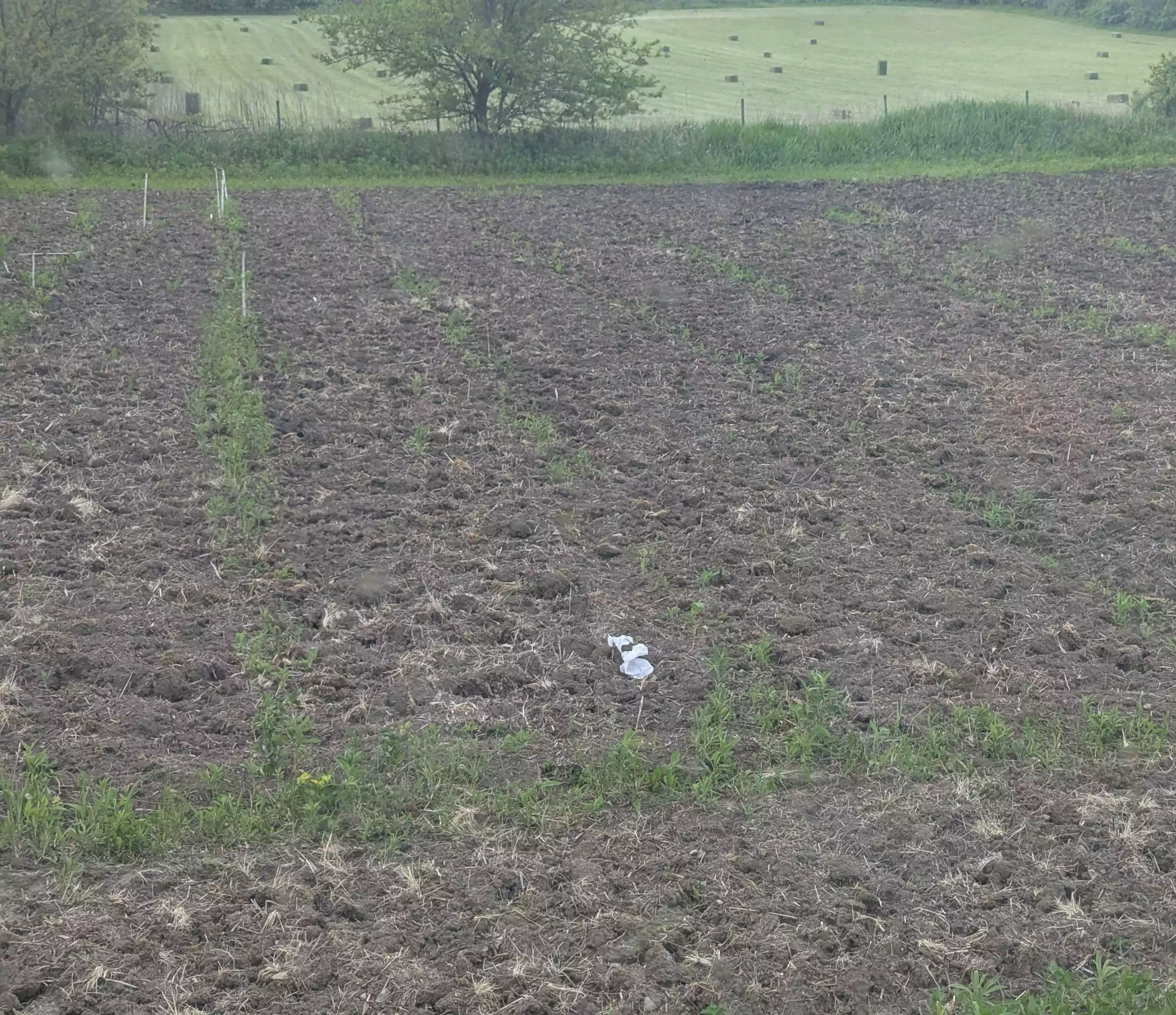
imgp_146.webp

I baled the first couple pastures of the year this weekend, you can see one of them in the background of the garden picture. I sent my baler in to the dealer for repairs over winter and it was not cheap but after stuffing that thing full and putting out nearly 70lb bales I feel it was worth it. I typically fix things myself but buying this heavily used I wanted someone more experienced to check it over, they found several broken and loose things that I missed while checking it over in the fall. Ever heard of a $1200 sprocket? Me either until now!
imgp_145.webp
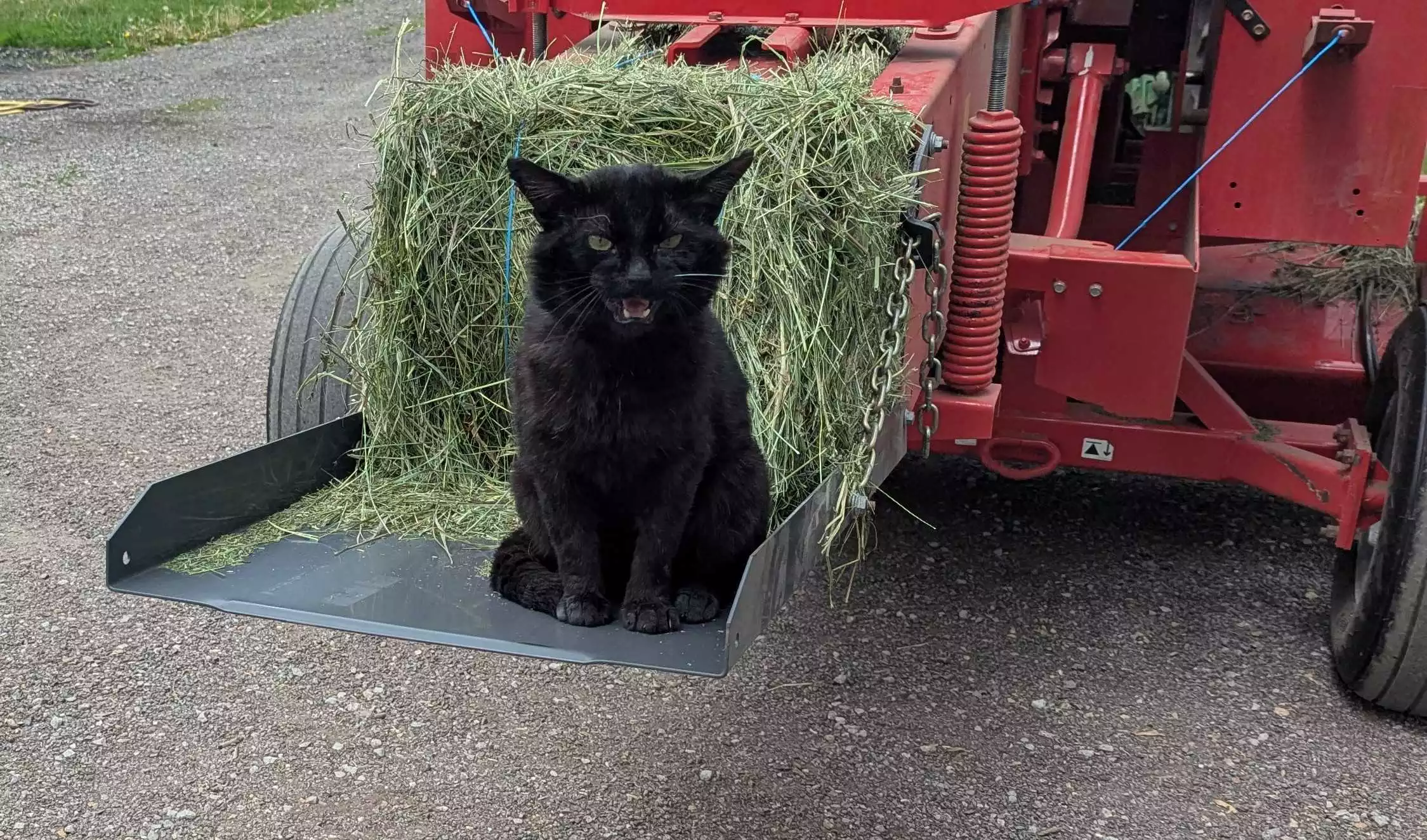
The best picture of the hay has a cat in the way, he's not as mean as he looks he just wanted attention :)
 
potatoes and sweet potatoes and no it's super easy

do a three sisters bed


this is unnecessarily complicated, injuns didn't do soil tests
That's one of the rare articles on the 3 Sisters that spells out that the corn has to be a dent/flint/flour corn for grinding and that the beans must die to release the N they've stored in the root nodules. (But then again, Cornell better get those right.)
I pulled a clover weed the other day and took a pic of the root nodules where the N is stored. So if anyone is wondering if their N fixers are fixing, this is what it looks like:
 

Attachments

  • IMG_E3920 - Copy.webp
    IMG_E3920 - Copy.webp
    1 MB · Views: 13
Back
Top Bottom