ATC has always been a decent paying federal job, doubly so now with the mandatory overtime, and so I suppose that's why there has been such a DEI focus on it. It's a compounding problem, however, courtesy of the military. In the military fixed wing pilots are almost always comissioned officers, and controllers are always enlisted. It's much harder to get DEI officers in general, and harder to get them in the cockpit doubly so. When a family member was an instructor pilot in a branch of the service, over twenty five years ago, people of diversity were given retraining and extra re checks far beyond the non diverse and half of the time they still washed out. That leaves you with a large core group of mostly high performing white men, even after a number of them washed out. Contrast with mil ATC who have lax standards and a very, very easy job. Mil bases are extroadinarily simple layouts and operations, and the pilots are hot shit so controlling could not be easier.
After they serve, you're left with a pipeline of competent pilots (even the DEI hires at this point at least perform to standards) joining the airlines, and a group of mostly midwits with a few standouts that can slide right over into civilian ATC. Mil to civ ATC still have to train on the job in the civilian locations, where the job is much more tough, and not many chose to or can stay.
Then there's the civilian route, which is the bipartisan federal fuckup of the last twenty years precisely responsible for the endemic and severe ATC staffing shortages today. Let's say Joe Blow decides he wants to be a controller, so he applies for the position. After around one to two years, the FAA finally responds to him and wants to bring Joe in for testing and an interview, which he passes. Congratulations! But don't quit your day job Joe, because now you're merely in the hiring pool and it will take another two years MINIMUM for your slot to come up and for you to finally be able to attend The Academy. (there's only one)
At least the academy is paid, so now you do quit your day job. It takes a long time to work your way through the academy, and the washout rate is very high. Something like eighty percent high. Many of Joe's friends have been paid peanuts only to wash out for saying "frontier 5185" instead of "frontier 1585," which happens multiple times a day out in the real world but is fireable at the academy, but Joe makes it! Hooray he's finally working his first position in an enroute facility, now getting paid slightly more than peanuts.
He meets his trainee supervisor mentor, who promptly says "Welcome to the real world, throw out everything they taught you at the academy because those guys aren't controllers and never have been, and nothing there is reflective of the real world or how we actually do our jobs." Welcome to what is academy 2.0, where the stakes are real this time, and where you are woefully unprepared. At least you have someone supervising you at all times for the next two years, ready to help you or fire you depending on how they feel you are performing.
They tell this to everyone at the beginning of the process, at least. So they're left with a lack of quality applicants, and not enough volume. By the time all the tests are administered, and as many are washed out as they can, the small number of academy starts leaves a tiny trickle of fully qualified controllers which run the gamut from slightly unable to meet standards but not caught, to mainly middle performers, and a scant few high performers.
There used to be a college or trade school that had a ATC development program that guaranteed a slot the academy, because its graduates had very high odds of becoming fully qualified controllers. The feds cancelled the guaranteed slot deal despite the high quality of trainees provided due to the program graduates not fulfilling diversity requirements

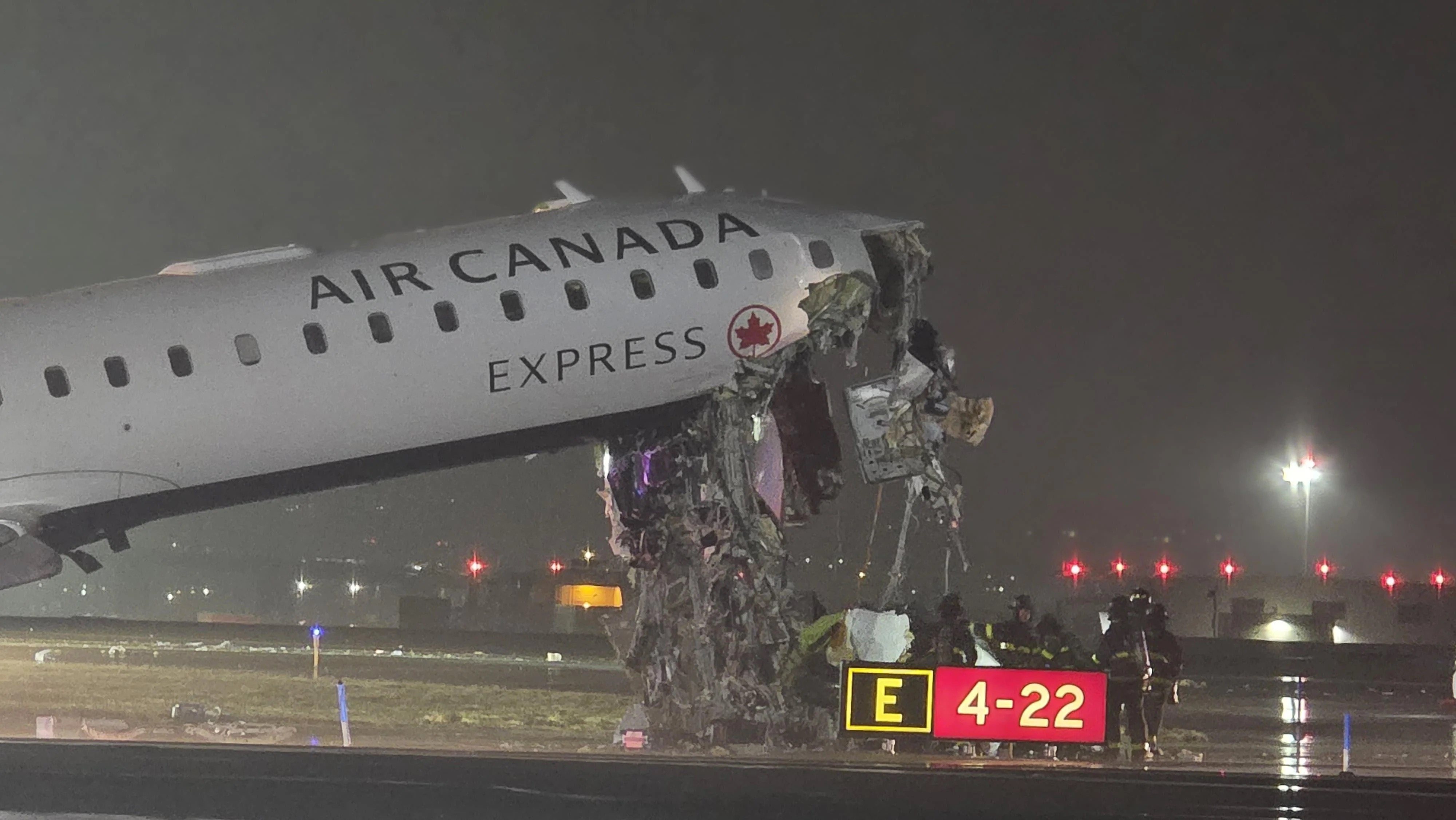

 ️𝗕𝗥𝗘𝗔𝗞𝗜𝗡𝗚 𝗡𝗘𝗪𝗦 𝗟𝗜𝗩𝗘La Guardia Airport NYC


