By Elena Kadvany
May 8, 2024
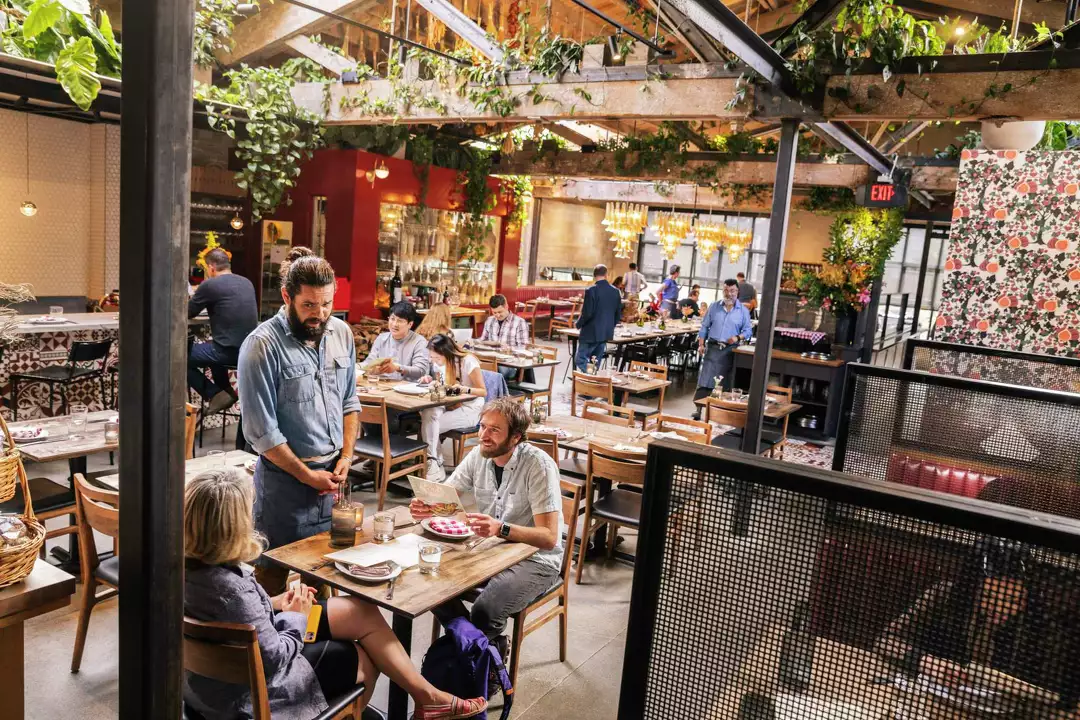
Restaurants that use service fees to sustain employee wages and benefits, such as Che Fico in San Francisco, above, will have to instead fold them into menu prices starting July 1.
Stephen Lam/The Chronicle
The California Office of the Attorney General confirmed Wednesday in a much-anticipated FAQ on the state’s new junk fees law that all restaurant surcharges will be illegal starting July 1.
The guidance reiterates the attorney general’s recent public interpretation of the state law, which customers have largely lauded for bringing transparency to restaurant pricing. But many restaurateurs have been hoping today’s news wouldn’t become a reality.
The Golden Gate Restaurant Association, San Francisco’s trade group, has been meeting with the attorney general’s office and legislators for months, fearing the impact the law would have on the dining industry. They and other industry groups are still advocating for an amendment or other last-minute change to allow restaurant surcharges.
“Ending the ability for restaurants to use service charges (even if clearly and legibly listed on their menu) will have a very negative impact on the survival of this still struggling industry,” the Golden Gate Restaurant Association said. “Diners will not pay less, instead they will see significant menu price increases, which we believe will further cause them to pull back on dining out. … Not only will restaurants struggle, but workers will lose hours and jobs.”
Under Senate Bill 478, which applies to hotels, concert tickets and other industries, restaurants will have to fold any surcharges, such as service fees or fees for local mandates, into listed menu prices. Restaurants cannot comply by disclosing fees ahead of time or after a diner pays, as is current common practice on menus, reservation platforms and receipts. The law also applies to fees businesses charge for local government mandates, such as San Francisco’s health care ordinance, which requires employers to set aside money for worker health benefits. SB478 does not apply to taxes nor does it affect tips.
“The price listed to the consumer must be the full price that the consumer is required to pay,” the attorney general said.
Sen. Bill Dodd, D-Napa, who co-authored the law along with Sen. Nancy Skinner, D-Berkeley, and the attorney general’s office, added in a press release accompanying the FAQ: “A consumer shouldn’t discover hidden fees made up by a business when they pay their bill.”
In a statement, Matthew Sutton, the California Restaurant Association’s senior vice president of government affairs and public policy, said the group “strenuously disagrees with the AG’s expansive interpretation of the law” and is considering “all available options to block implementation of SB 478 in the manner suggested by the AG’s office.”
Restaurant owners have expressed concerns that incorporating fees into the listed cost of dishes — while not technically changing the prices customers pay now — will cause sticker shock and upend longtime industry practices. In response, the attorney general stated in the press release that “SB 478 has no effect on prices; the law does not ask businesses to charge less, the law does not require businesses to charge more.”
The Department of Justice’s “initial” enforcement will not focus on restaurant service fees, the attorney general said — “however, businesses may be liable in private actions.”
Correction: An earlier version of this story misstated the number of the Senate bill that takes effect July 1. It is SB478.
Source (Archive)
May 8, 2024
Restaurants that use service fees to sustain employee wages and benefits, such as Che Fico in San Francisco, above, will have to instead fold them into menu prices starting July 1.
Stephen Lam/The Chronicle
The California Office of the Attorney General confirmed Wednesday in a much-anticipated FAQ on the state’s new junk fees law that all restaurant surcharges will be illegal starting July 1.
The guidance reiterates the attorney general’s recent public interpretation of the state law, which customers have largely lauded for bringing transparency to restaurant pricing. But many restaurateurs have been hoping today’s news wouldn’t become a reality.
The Golden Gate Restaurant Association, San Francisco’s trade group, has been meeting with the attorney general’s office and legislators for months, fearing the impact the law would have on the dining industry. They and other industry groups are still advocating for an amendment or other last-minute change to allow restaurant surcharges.
“Ending the ability for restaurants to use service charges (even if clearly and legibly listed on their menu) will have a very negative impact on the survival of this still struggling industry,” the Golden Gate Restaurant Association said. “Diners will not pay less, instead they will see significant menu price increases, which we believe will further cause them to pull back on dining out. … Not only will restaurants struggle, but workers will lose hours and jobs.”
Under Senate Bill 478, which applies to hotels, concert tickets and other industries, restaurants will have to fold any surcharges, such as service fees or fees for local mandates, into listed menu prices. Restaurants cannot comply by disclosing fees ahead of time or after a diner pays, as is current common practice on menus, reservation platforms and receipts. The law also applies to fees businesses charge for local government mandates, such as San Francisco’s health care ordinance, which requires employers to set aside money for worker health benefits. SB478 does not apply to taxes nor does it affect tips.
“The price listed to the consumer must be the full price that the consumer is required to pay,” the attorney general said.
Sen. Bill Dodd, D-Napa, who co-authored the law along with Sen. Nancy Skinner, D-Berkeley, and the attorney general’s office, added in a press release accompanying the FAQ: “A consumer shouldn’t discover hidden fees made up by a business when they pay their bill.”
In a statement, Matthew Sutton, the California Restaurant Association’s senior vice president of government affairs and public policy, said the group “strenuously disagrees with the AG’s expansive interpretation of the law” and is considering “all available options to block implementation of SB 478 in the manner suggested by the AG’s office.”
Restaurant owners have expressed concerns that incorporating fees into the listed cost of dishes — while not technically changing the prices customers pay now — will cause sticker shock and upend longtime industry practices. In response, the attorney general stated in the press release that “SB 478 has no effect on prices; the law does not ask businesses to charge less, the law does not require businesses to charge more.”
The Department of Justice’s “initial” enforcement will not focus on restaurant service fees, the attorney general said — “however, businesses may be liable in private actions.”
Correction: An earlier version of this story misstated the number of the Senate bill that takes effect July 1. It is SB478.
Source (Archive)


