Link (Archive)
13 hours ago

Men like to eat more meat than women. Because I find it useful to “establish and confirm a masculine identity.”
University researchers California, Los Angeles We surveyed more than 1,700 US adults to see if the stereotype that “real men eat meat” really works.
They found that, unlike women, more men feel they have to obey. Traditional concept of masculinity, The more beef and chicken they tended to eat.
According to the team, the findings could help inform future efforts to encourage consumers to switch to something more sustainable and environmentally friendly. Meat-free meal..
Men like to eat more meat than women. Because I feel it helps to “establish and confirm a masculine identity.” The study concludes

Researchers at the University of California, Los Angeles surveyed more than 1,700 US adults to see if the stereotype that “real men eat meat” really works. They found that, unlike women, men tended to eat beef (left) and chicken (right) so much that they felt they had to follow the traditional notion of masculinity.
The study was conducted by psychologists Daniel Rosenfeld and Janet Tomiyama at the University of California, Los Angeles.
“Our findings suggest that shifting men’s perception of the ideal gender role from traditional masculine can reduce beef and chicken consumption,” Rosenfeld said. Mr. says.
“This is especially promising for beef, given that beef production poses a much greater environmental threat than other forms of meat production.”
In their study, the duo targeted 1,706 US adults aged 18-88 years, both in terms of meat consumption and openness to becoming vegan or vegetarian, as well as gender sensations and traditional gender roles. We investigated the suitability for.
“First, men reported eating all kinds of meat more often, including beef, pork, fish and chicken, compared to women. The effect size of these differences diminishes in this order.” The researcher explained.
The answer is also that among men, a greater fit to traditional gender stereotypes, both more frequent consumption of the two types of meat (beef and chicken) and a lower level of openness to vegetarianism. Showed to be related to.
No similar effect was observed on meat consumption for fish or pork.
However, the same tendency was not seen among women. This suggests that men may eat more meat to test and carry out their sense of traditional masculine identity.
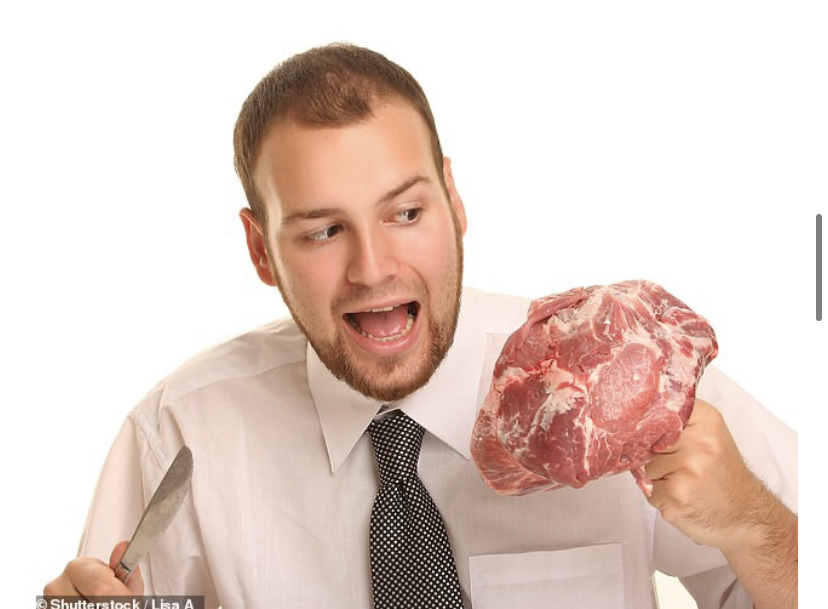
According to the answers, among men, the more compatible with traditional gender stereotypes, the more frequently they consume two types of meat, beef (pictured) and chicken, and their openness to vegetarianism. Was shown to be associated with both low.

“A deeper understanding of the role of gender may help reduce public meat consumption to improve human health and environmental sustainability,” the researchers concluded.
“Self-attributable masculine / feminine gender differences between men provide insight into these phenomena,” the researchers wrote in their paper.
“A deeper understanding of the role of gender may help reduce public meat consumption in order to improve human health and environmental sustainability.”
The full findings of the study were published in the journal appetite..
Cows, pigs and other livestock release large amounts of methane into the atmosphere. Methane in the atmosphere is less than other greenhouse gases, but about 25 times more effective than carbon dioxide in trapping heat.
Raising livestock also means turning forests into agricultural land. This means that trees that absorb CO2 will be logged, further increasing climate change. Approximately one-third of the world’s grain is used to feed animals raised for human consumption, so more trees are needed to convert land to crop cultivation. It has been cut down.
Factory farms and crop cultivation also require large amounts of water, and 542 liters of water are used to produce only one chicken breast.
In addition to this, the nitrogen-based fertilizers used in crops increase nitrous oxide emissions. Nitrous oxide is about 300 times more effective in trapping heat in the atmosphere. These fertilizers can also flow into rivers, further contributing to pollution.
Overall, research shows that becoming a
vegetarian can cut carbon emissions from food in half.You can reduce this even more by becoming vegan.
Masculinity: Men like meat because it makes them feel more MANLY, study claims
deepdesrochers13 hours ago
Men like meat because it feels masculine: men consume more beef and chicken than women and establish and confirm a masculine identity, “the study claims.
- UCLA experts surveyed approximately 1,700 US adults about their diet and gender sensations.
- The more men follow traditional gender roles, the more beef / chicken they eat
- According to researchers, the same tendency is not seen among women
- Findings may help encourage men to switch to a sustainable meat-free diet
Men like to eat more meat than women. Because I find it useful to “establish and confirm a masculine identity.”
University researchers California, Los Angeles We surveyed more than 1,700 US adults to see if the stereotype that “real men eat meat” really works.
They found that, unlike women, more men feel they have to obey. Traditional concept of masculinity, The more beef and chicken they tended to eat.
According to the team, the findings could help inform future efforts to encourage consumers to switch to something more sustainable and environmentally friendly. Meat-free meal..
Men like to eat more meat than women. Because I feel it helps to “establish and confirm a masculine identity.” The study concludes
Researchers at the University of California, Los Angeles surveyed more than 1,700 US adults to see if the stereotype that “real men eat meat” really works. They found that, unlike women, men tended to eat beef (left) and chicken (right) so much that they felt they had to follow the traditional notion of masculinity.
The study was conducted by psychologists Daniel Rosenfeld and Janet Tomiyama at the University of California, Los Angeles.
“Our findings suggest that shifting men’s perception of the ideal gender role from traditional masculine can reduce beef and chicken consumption,” Rosenfeld said. Mr. says.
“This is especially promising for beef, given that beef production poses a much greater environmental threat than other forms of meat production.”
In their study, the duo targeted 1,706 US adults aged 18-88 years, both in terms of meat consumption and openness to becoming vegan or vegetarian, as well as gender sensations and traditional gender roles. We investigated the suitability for.
“First, men reported eating all kinds of meat more often, including beef, pork, fish and chicken, compared to women. The effect size of these differences diminishes in this order.” The researcher explained.
The answer is also that among men, a greater fit to traditional gender stereotypes, both more frequent consumption of the two types of meat (beef and chicken) and a lower level of openness to vegetarianism. Showed to be related to.
No similar effect was observed on meat consumption for fish or pork.
However, the same tendency was not seen among women. This suggests that men may eat more meat to test and carry out their sense of traditional masculine identity.
According to the answers, among men, the more compatible with traditional gender stereotypes, the more frequently they consume two types of meat, beef (pictured) and chicken, and their openness to vegetarianism. Was shown to be associated with both low.
“A deeper understanding of the role of gender may help reduce public meat consumption to improve human health and environmental sustainability,” the researchers concluded.
“Self-attributable masculine / feminine gender differences between men provide insight into these phenomena,” the researchers wrote in their paper.
“A deeper understanding of the role of gender may help reduce public meat consumption in order to improve human health and environmental sustainability.”
The full findings of the study were published in the journal appetite..
Eating meat and dairy products is harmful to the environment
Eating meat, eggs and dairy products can have a negative impact on the environment in many ways.Cows, pigs and other livestock release large amounts of methane into the atmosphere. Methane in the atmosphere is less than other greenhouse gases, but about 25 times more effective than carbon dioxide in trapping heat.
Raising livestock also means turning forests into agricultural land. This means that trees that absorb CO2 will be logged, further increasing climate change. Approximately one-third of the world’s grain is used to feed animals raised for human consumption, so more trees are needed to convert land to crop cultivation. It has been cut down.
Factory farms and crop cultivation also require large amounts of water, and 542 liters of water are used to produce only one chicken breast.
In addition to this, the nitrogen-based fertilizers used in crops increase nitrous oxide emissions. Nitrous oxide is about 300 times more effective in trapping heat in the atmosphere. These fertilizers can also flow into rivers, further contributing to pollution.
Overall, research shows that becoming a
vegetarian can cut carbon emissions from food in half.You can reduce this even more by becoming vegan.