Article: Warning Indian site!
https://archive.ph/9sxSD
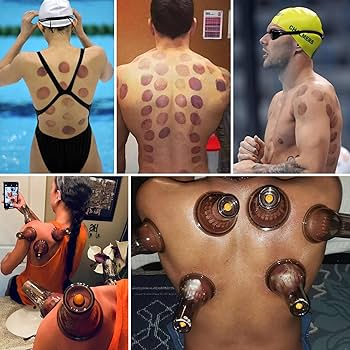
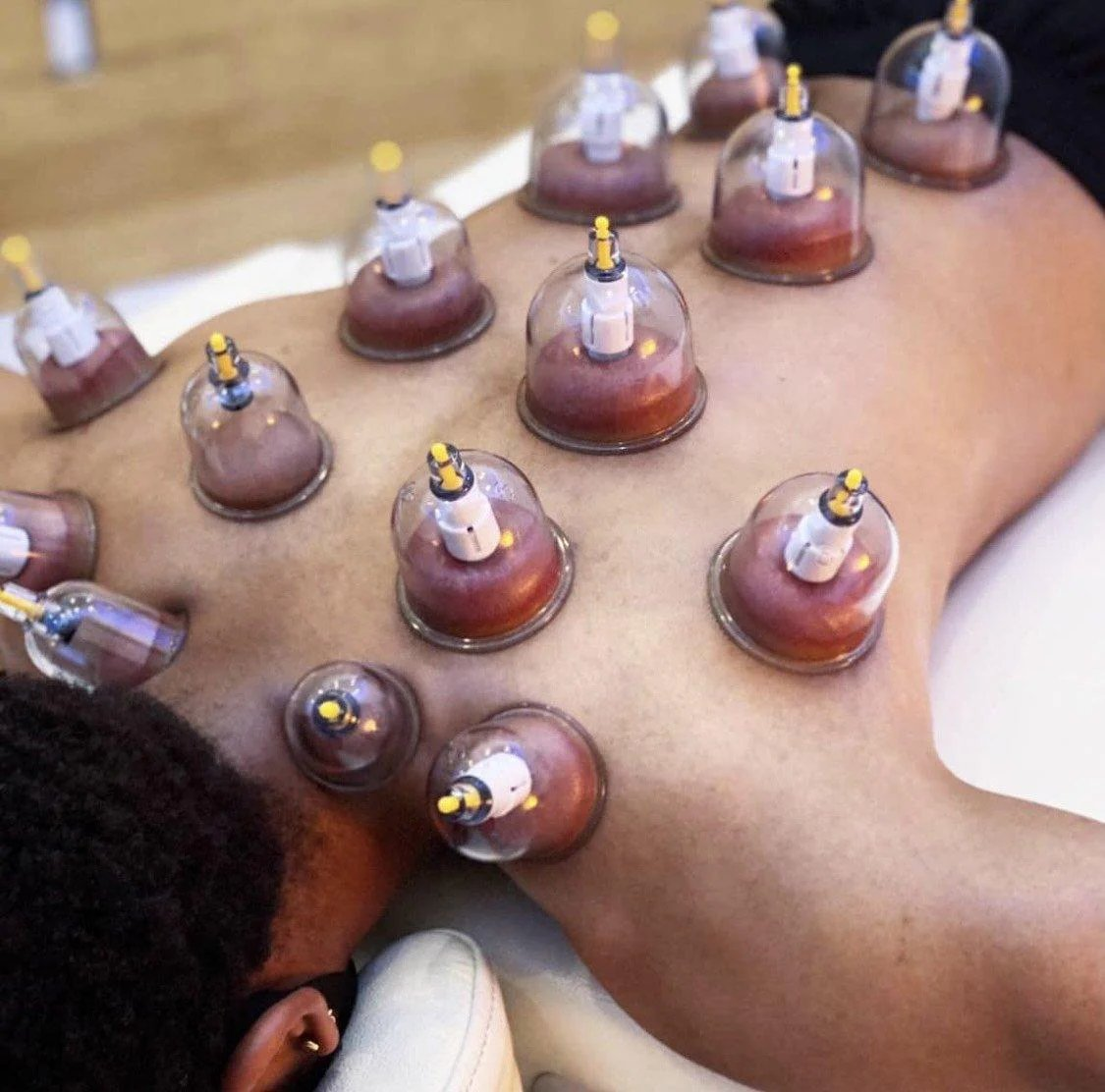
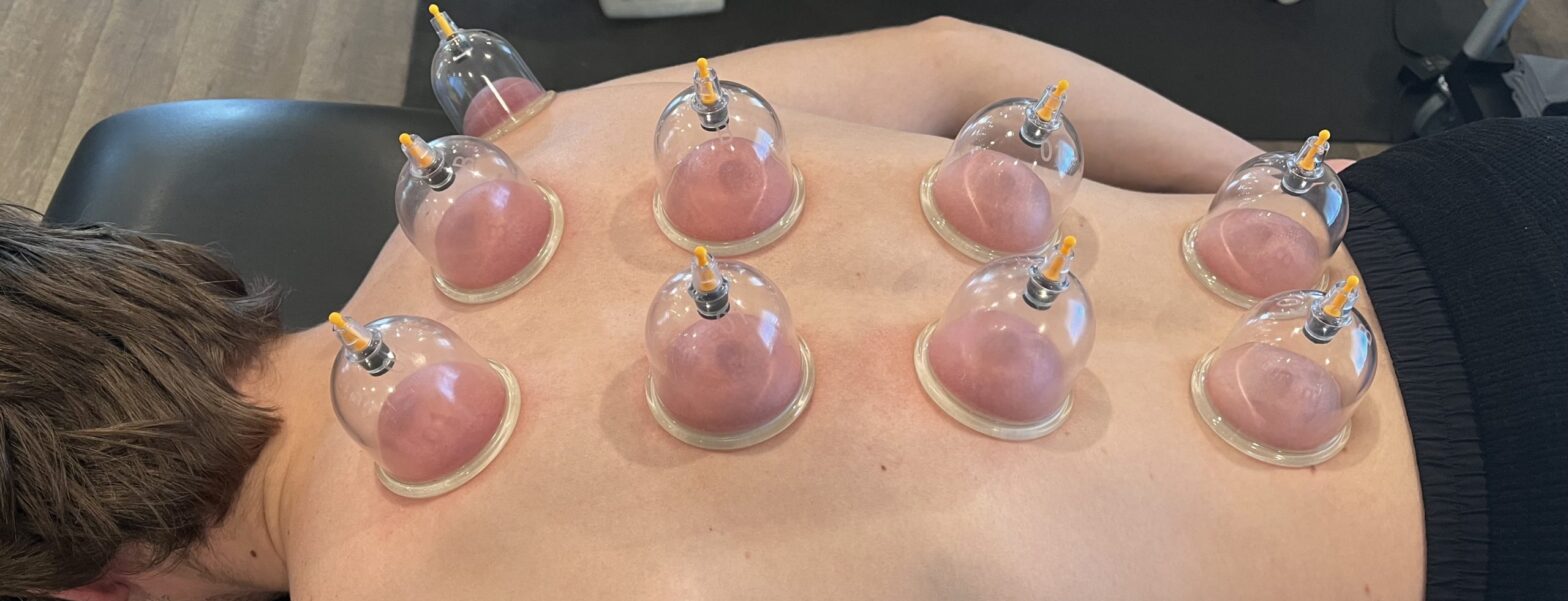
Cupping therapy has been around for centuries and continues to be used by some athletes and wellness enthusiasts for muscle recovery and pain relief. The renewed popularity of such practices on social media has sparked debate about whether they offer genuine health benefits or simply create the illusion of treatment without scientific backing. That debate has intensified following a warning issued by Kerala-based hepatologist Dr Cyriac Abby Philips, widely known online as ‘The Liver Doc’, in an Instagram post.
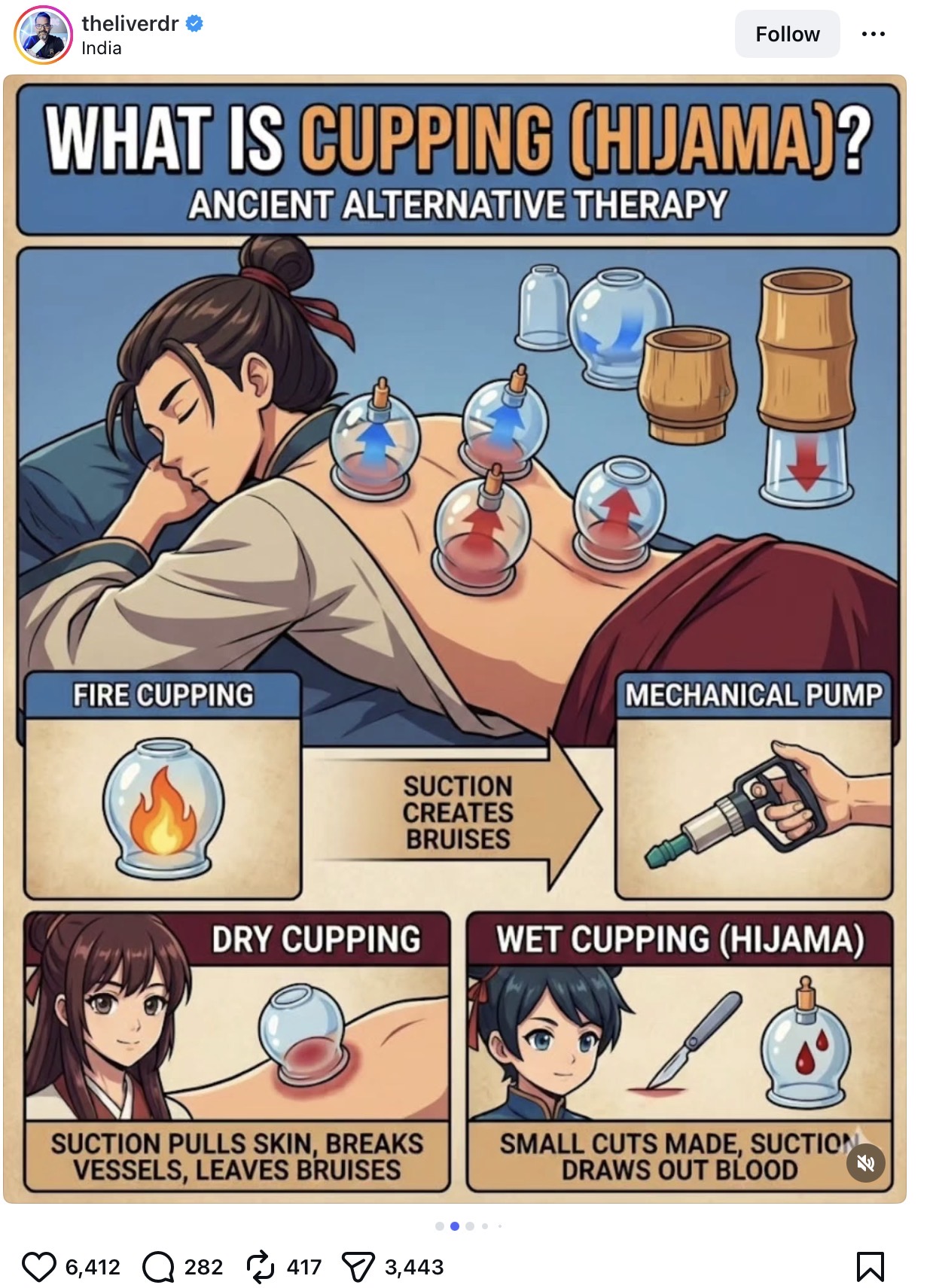
Critiquing the procedure, he described cupping therapy as “unscientific, dangerous nonsense”, urging people to reconsider what he called a “superstitious trend” being presented as legitimate medical care. His post included images of wet cupping, where suction is applied after small incisions are made to draw out what some believe is “toxic” blood. Dr Philips challenged the basic premise behind the practice, stating, “The skin is not a filter for toxins; that is the job of your liver and kidneys.” He added, “Cutting the skin to suck out blood is not detoxification; it is a recipe for infection, scarring, and, in some cases, severe skin damage.” He also raised concerns about hygiene and medical safety, noting that the use of non-sterile tools or poor aftercare could expose people to serious infections such as hepatitis B, hepatitis C and HIV. According to him, the intense suction used in cupping can also cause hematomas, permanent scarring, and skin discolouration, and may delay proper treatment for underlying conditions if people rely on it instead of seeking medical care.
He also argued that public promotion of such practices can confer unwarranted credibility and divert attention from evidence-based recovery methods. Referring to athletes who have used cupping, he said that using it for recovery is based on flawed assumptions about how the body heals. Speaking about the practice, he noted, “Recovery involves restoring energy and repairing muscle fibres through nutrition and rest. Intentionally bleeding (wet cupping) creates a new injury that the body must waste energy to fix. It lowers blood volume, which is actually the opposite of what an endurance athlete needs.” Summing up his stance, he wrote in his caption, “Cupping therapy is unscientific, dangerous nonsense. Evolve your thinking and rationality. Use critical thinking. It will help you drown the background noise.”
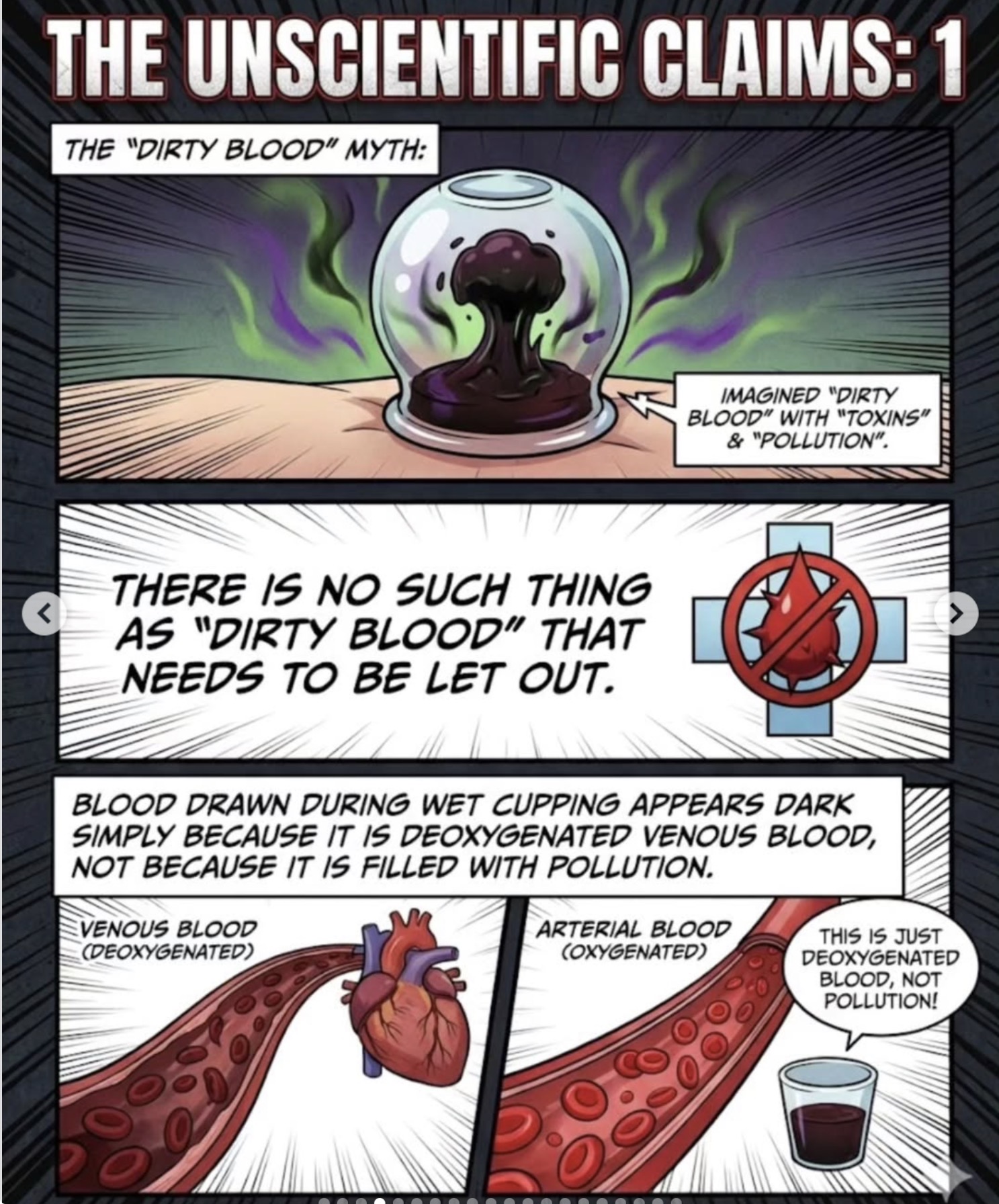
He confirms that there is “no credible scientific evidence showing that cupping removes toxins from the body.” The human body already has highly efficient detoxification systems through the liver, kidneys, and lymphatic system. Some individuals may experience short-term pain relief due to placebo effects or temporary changes in blood flow, but large-scale clinical studies have not demonstrated consistent or measurable recovery benefits for athletes or patients.
He adds that blood removal, even in small amounts, can be risky for individuals with anaemia, diabetes, clotting disorders, or compromised immunity. “Another concern is that reliance on such therapies may delay evidence-based diagnosis and treatment for conditions such as muscle injuries, chronic pain disorders, or inflammatory diseases. This delay can worsen outcomes and prolong recovery.”
DISCLAIMER: This article is based on information from the public domain and/or the experts we spoke to. Always consult your health practitioner before starting any routine.
https://archive.ph/9sxSD
Cupping therapy has been around for centuries and continues to be used by some athletes and wellness enthusiasts for muscle recovery and pain relief. The renewed popularity of such practices on social media has sparked debate about whether they offer genuine health benefits or simply create the illusion of treatment without scientific backing. That debate has intensified following a warning issued by Kerala-based hepatologist Dr Cyriac Abby Philips, widely known online as ‘The Liver Doc’, in an Instagram post.
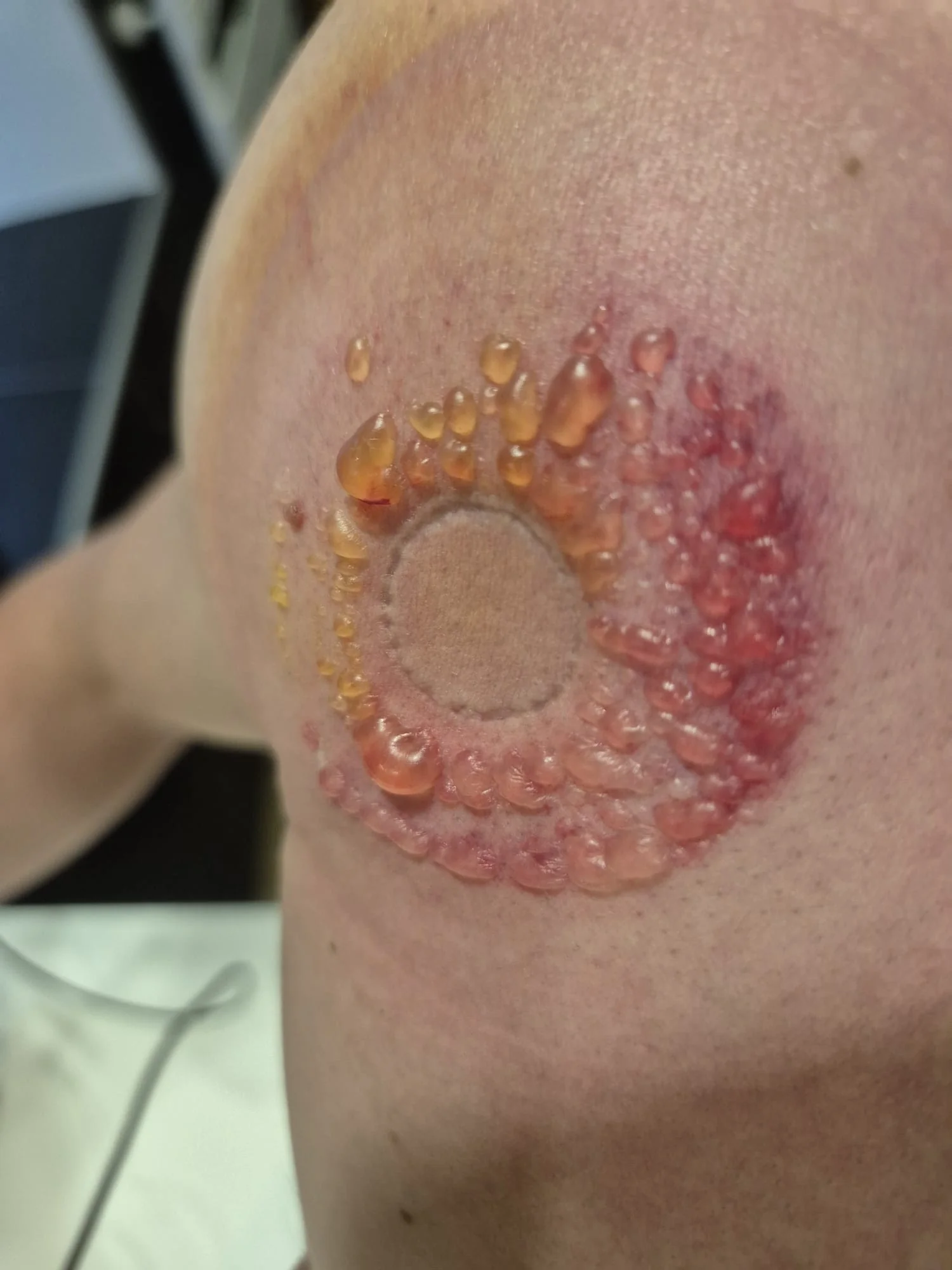
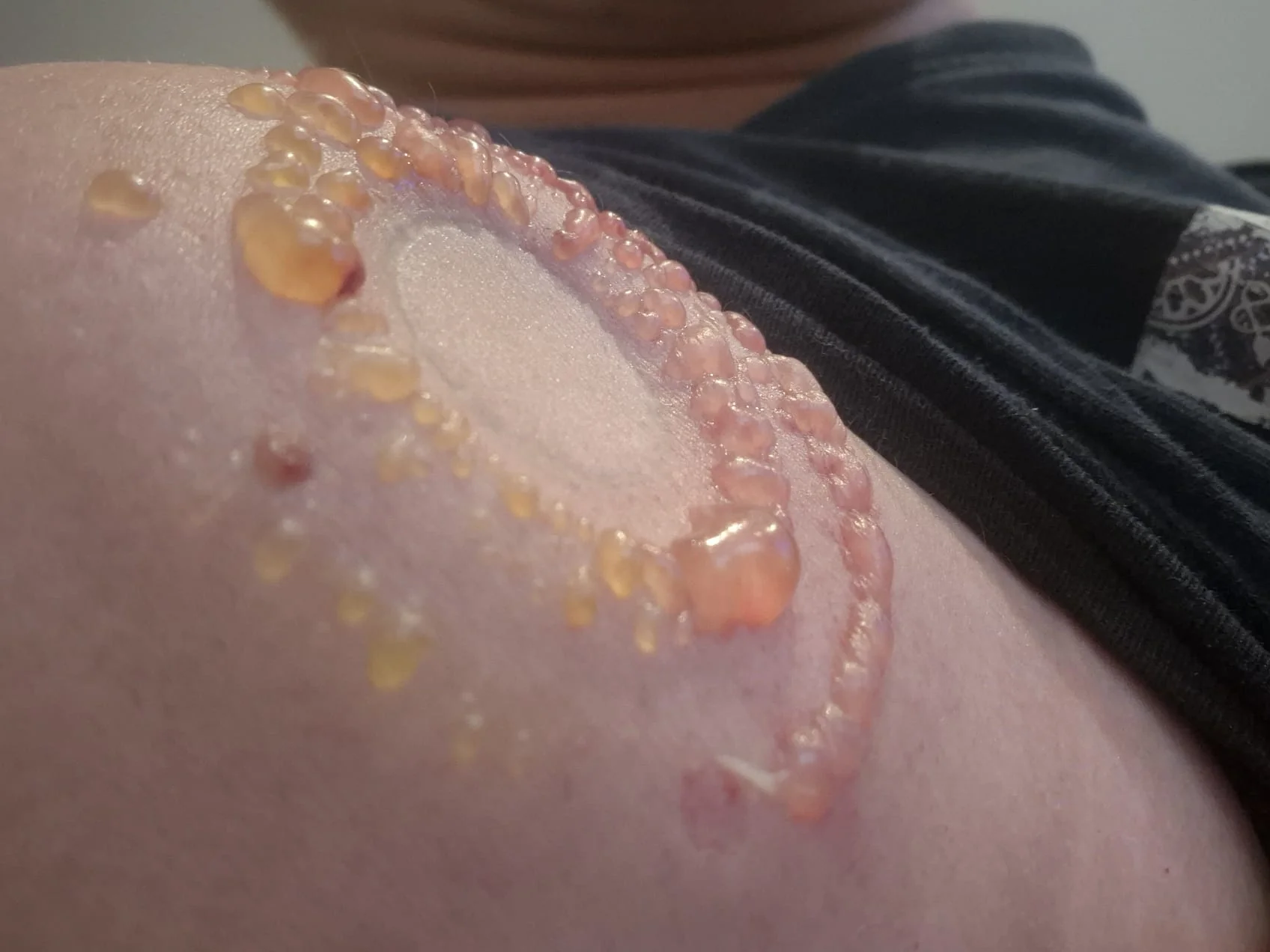
Critiquing the procedure, he described cupping therapy as “unscientific, dangerous nonsense”, urging people to reconsider what he called a “superstitious trend” being presented as legitimate medical care. His post included images of wet cupping, where suction is applied after small incisions are made to draw out what some believe is “toxic” blood. Dr Philips challenged the basic premise behind the practice, stating, “The skin is not a filter for toxins; that is the job of your liver and kidneys.” He added, “Cutting the skin to suck out blood is not detoxification; it is a recipe for infection, scarring, and, in some cases, severe skin damage.” He also raised concerns about hygiene and medical safety, noting that the use of non-sterile tools or poor aftercare could expose people to serious infections such as hepatitis B, hepatitis C and HIV. According to him, the intense suction used in cupping can also cause hematomas, permanent scarring, and skin discolouration, and may delay proper treatment for underlying conditions if people rely on it instead of seeking medical care.
He also argued that public promotion of such practices can confer unwarranted credibility and divert attention from evidence-based recovery methods. Referring to athletes who have used cupping, he said that using it for recovery is based on flawed assumptions about how the body heals. Speaking about the practice, he noted, “Recovery involves restoring energy and repairing muscle fibres through nutrition and rest. Intentionally bleeding (wet cupping) creates a new injury that the body must waste energy to fix. It lowers blood volume, which is actually the opposite of what an endurance athlete needs.” Summing up his stance, he wrote in his caption, “Cupping therapy is unscientific, dangerous nonsense. Evolve your thinking and rationality. Use critical thinking. It will help you drown the background noise.”
What occurs in the body during cupping therapy?
Dr Palleti Siva Karthik Reddy, MBBS, MD, general medicine, FAIG, consultant physician at Elite Care Clinic, tells indianexpress.com, “Cupping therapy works by creating localised suction on the skin using heated or mechanical cups. This suction increases superficial blood circulation, causes mild tissue swelling, and often results in temporary bruising due to rupture of small blood vessels beneath the skin. From a physiological standpoint, the effect is largely limited to the skin and soft tissue layers and does not influence deeper muscle recovery or systemic detoxification.”He confirms that there is “no credible scientific evidence showing that cupping removes toxins from the body.” The human body already has highly efficient detoxification systems through the liver, kidneys, and lymphatic system. Some individuals may experience short-term pain relief due to placebo effects or temporary changes in blood flow, but large-scale clinical studies have not demonstrated consistent or measurable recovery benefits for athletes or patients.
Potential health risks associated with wet cupping or hijama
Wet cupping, also known as hijama, involves making small cuts on the skin to draw blood, which introduces clear medical risks. “If proper sterilisation is not followed, there is a possibility of bacterial infections, transmission of blood-borne diseases, and poor wound healing. Repeated procedures can also lead to scarring and skin discolouration,” notes Dr Reddy.He adds that blood removal, even in small amounts, can be risky for individuals with anaemia, diabetes, clotting disorders, or compromised immunity. “Another concern is that reliance on such therapies may delay evidence-based diagnosis and treatment for conditions such as muscle injuries, chronic pain disorders, or inflammatory diseases. This delay can worsen outcomes and prolong recovery.”
DISCLAIMER: This article is based on information from the public domain and/or the experts we spoke to. Always consult your health practitioner before starting any routine.
Last edited:


