By Joshua Askew
Published on 17/09/2023
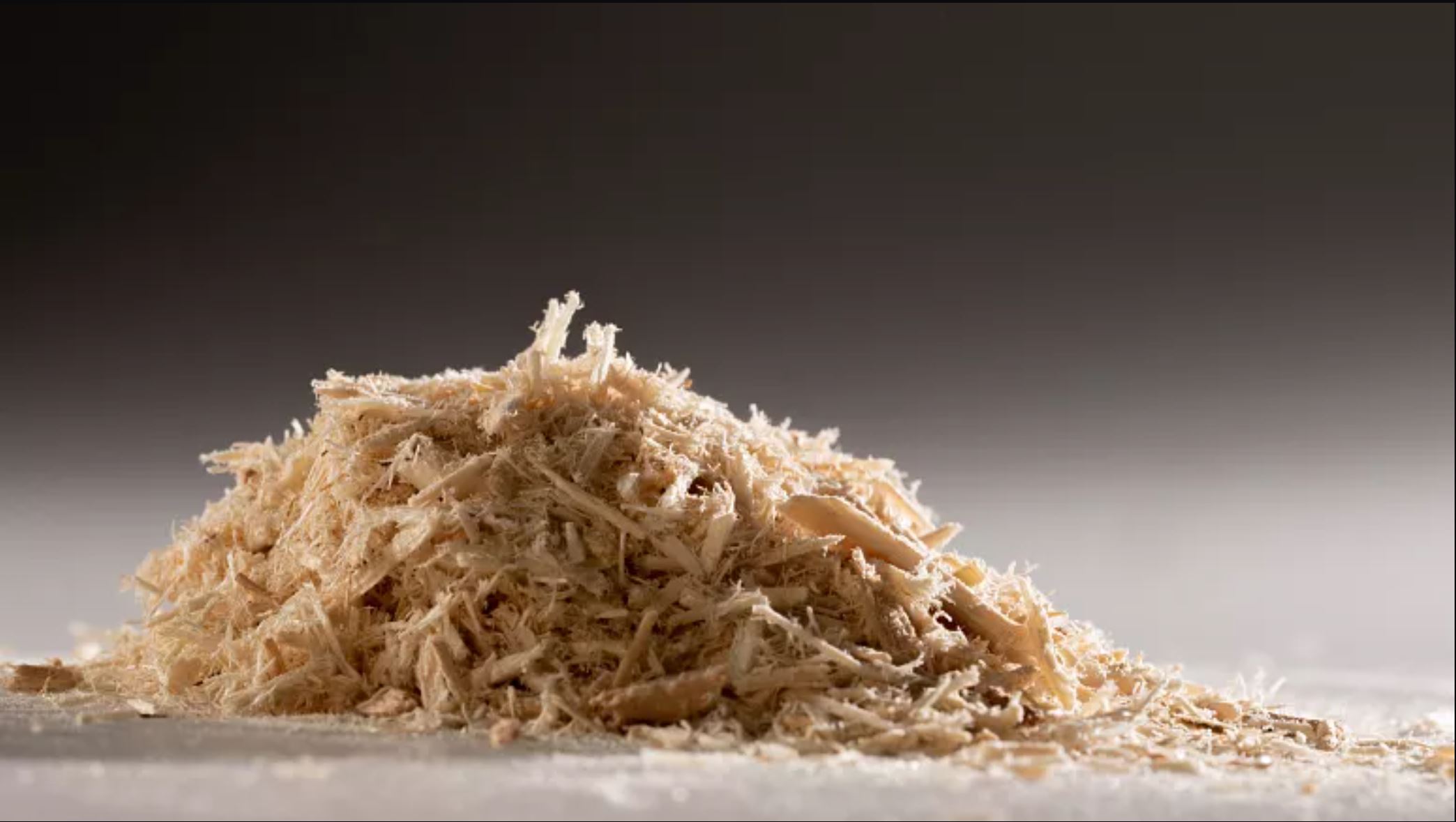
Think about sawdust.
Eating it is probably the last thing that comes into your mind, but that may be about to change thanks to one Estonian start-up.
ÄIO, set up in 2022, has created a way of producing fats and oils from industrial waste.
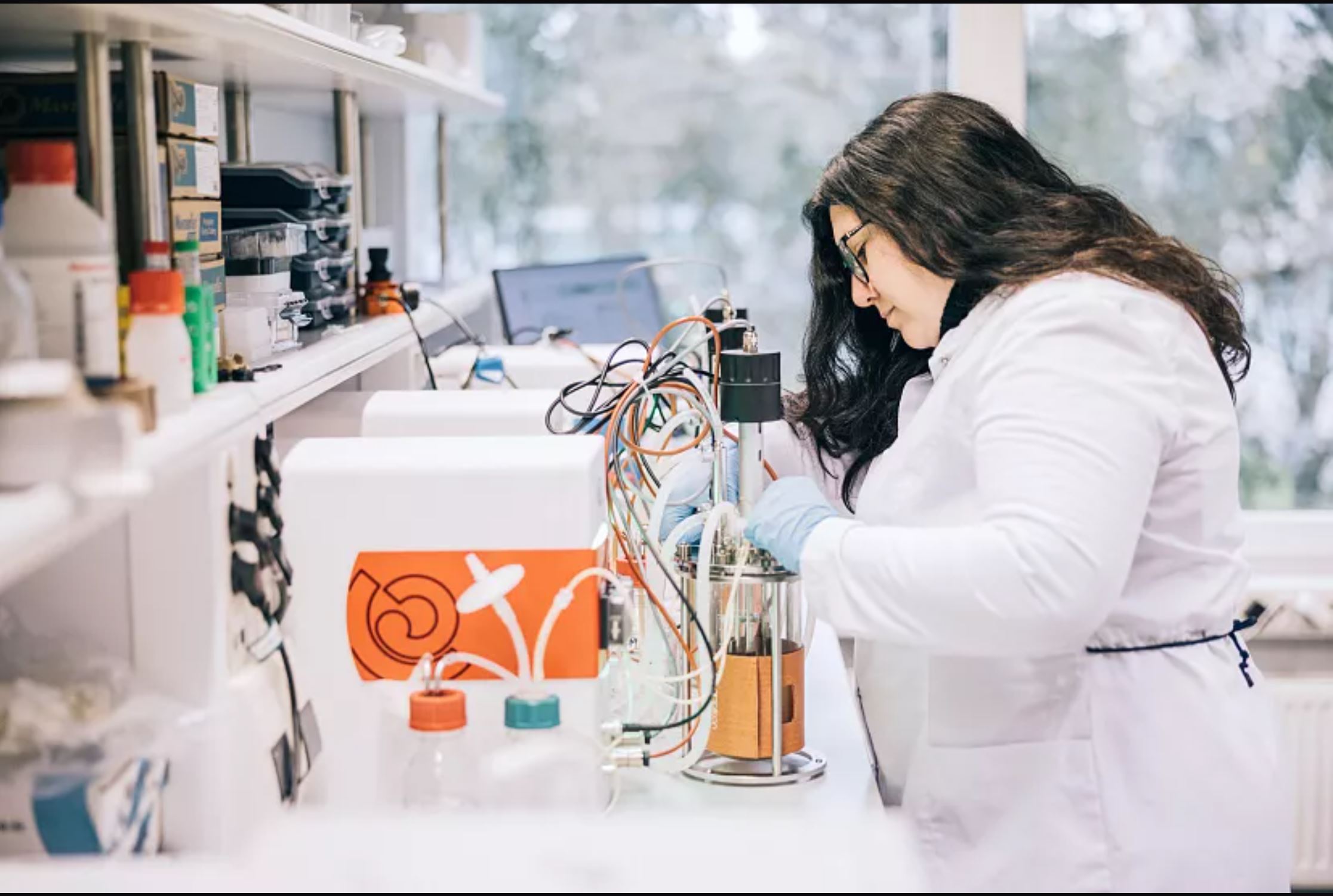
"What we have developed is very similar to brewing beer, where yeast is used to convert sugars from barley into alcohol, and hops are added for taste," co-founder Petri-Jaan Lahtvee told Euronews Next, explaining how it works in the simplest terms.
"We are using a different type of yeast that coverts sugars from industrial sidestreams, but not into ethanol - into fats and oils instead," he added.
"It's basically a very natural process like fermentation".
Timber, agricultural byproducts like straw, and even food waste, can be turned into ingredients for the food or cosmetic industries.
Plus the process doesn't need other inputs - save a "little bit" of nitrogen - and is easily scalable in other locations around the world, according to Lahtvee.
The rosey red oil produced by ÄIO's innovative process is ideal for making alternatives to meat, which often need a splash of colour to attract consumers away from their animal-based rivals.
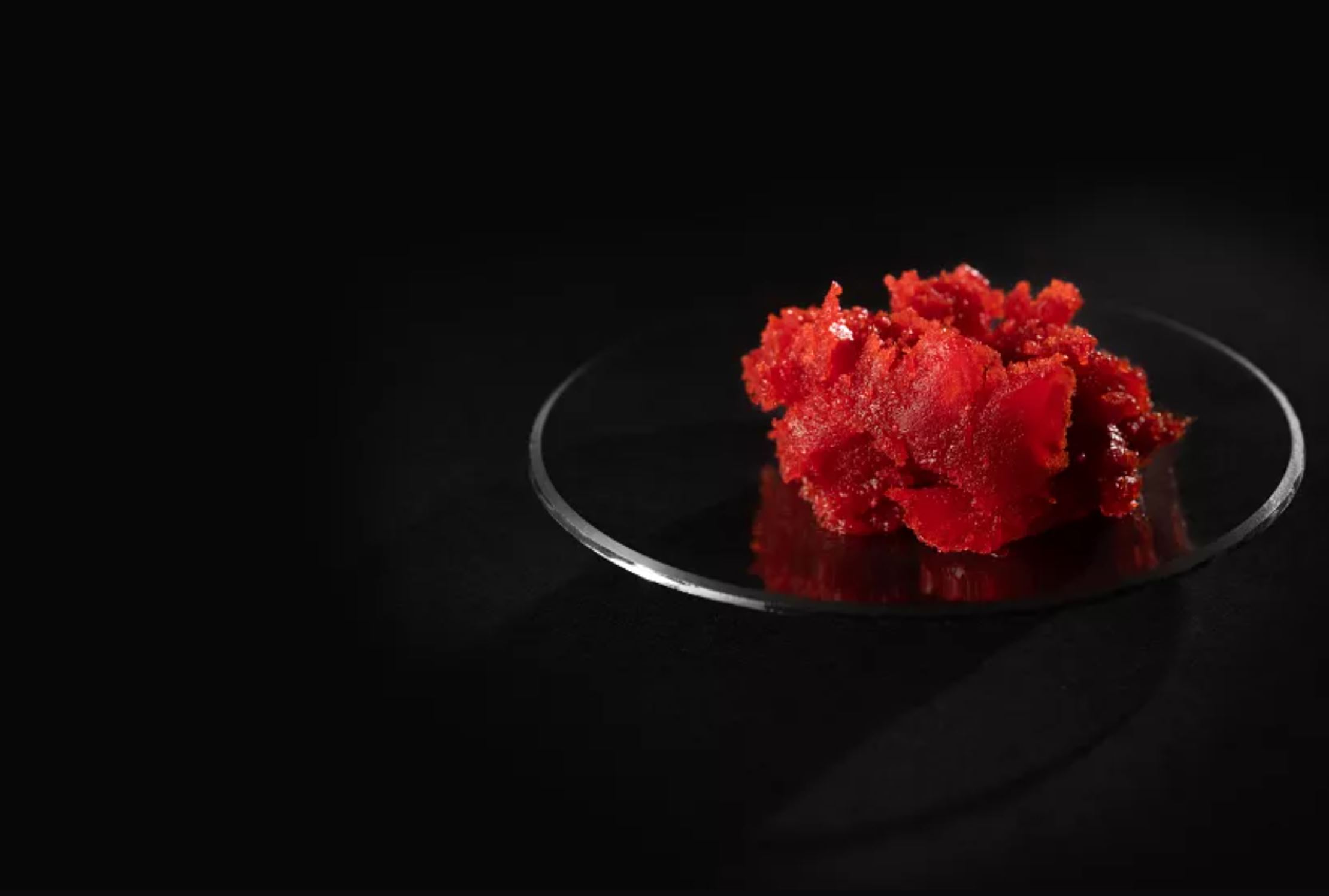
The company says its encapsulated oils are a "perfect" plant-based substitute for bakery products.
Besides being "tastier and healthier" than alternatives on the market, a key benefit of their invention is it "mitigates" the "huge environmental impact" of animal fats and plant-based oils, Lahtvee told Euronews Next.
Producing palm oil - which is used in a myriad of everyday products like spreads and shampoo - has caused devastating deforestation across Asia, Africa, and Latin America, according to the World Wildlife Fund.
But there are other boons.
Lahtvee claims their process can improve food security when local inputs are used, citing how the COVID-19 pandemic and Ukraine war disrupted global supply chains.
Looking to the future, the Estonian scientist-come-entrepreneur says ÄIO is working on technologies to "upcycle" household food waste, such as banana and orange peel.
Still, they face many hurdles.
When asked if ÄIO faces prejudice from consumers, who may be reluctant to eat industrial byproducts, Lahtvee insists the process is the same as making other fermented foods like kimchi or yoghurt that people eat without thinking twice.
Then there is the question of price.
To compete effectively in the market, ÄIO products need to be cheaper than alternatives, especially palm oil.
This is currently not the case, though industry experts argue that if the environmental cost of animal and plant-based products were taken into account, and government subsidies removed, then innovative replacements would be much more competitive.
ÄIO raised €1 million from investors at the start of 2023 to support its bid to revolutionise the food industry.

"Bigger questions" surround legislation, for Lahtvee.
"Legal barriers are probably the trickiest to overcome, or let's say they contain the most uncertainty because technology-wise we have been able to scale up the process very nicely," he told Euronews Next.
"The biggest unknown for us today is the regulations, we all know and understand that the food has to be safe.
But the processes to apply for a normal food permit today are, how to say, not very understandable or predictable".
The EU has some of the strictest rules around food production in the world.
These help ensure edible products are not harmful to consumers or the environment.
However, some experts and industrial figures have argued EU laws hinder food innovation.
Published on 17/09/2023
Would you eat industrial byproducts? One food tech company from Estonia certainly hopes so.
Think about sawdust.
Eating it is probably the last thing that comes into your mind, but that may be about to change thanks to one Estonian start-up.
ÄIO, set up in 2022, has created a way of producing fats and oils from industrial waste.
"What we have developed is very similar to brewing beer, where yeast is used to convert sugars from barley into alcohol, and hops are added for taste," co-founder Petri-Jaan Lahtvee told Euronews Next, explaining how it works in the simplest terms.
"We are using a different type of yeast that coverts sugars from industrial sidestreams, but not into ethanol - into fats and oils instead," he added.
"It's basically a very natural process like fermentation".
Timber, agricultural byproducts like straw, and even food waste, can be turned into ingredients for the food or cosmetic industries.
Plus the process doesn't need other inputs - save a "little bit" of nitrogen - and is easily scalable in other locations around the world, according to Lahtvee.
The rosey red oil produced by ÄIO's innovative process is ideal for making alternatives to meat, which often need a splash of colour to attract consumers away from their animal-based rivals.
The company says its encapsulated oils are a "perfect" plant-based substitute for bakery products.
Besides being "tastier and healthier" than alternatives on the market, a key benefit of their invention is it "mitigates" the "huge environmental impact" of animal fats and plant-based oils, Lahtvee told Euronews Next.
Producing palm oil - which is used in a myriad of everyday products like spreads and shampoo - has caused devastating deforestation across Asia, Africa, and Latin America, according to the World Wildlife Fund.
'Upcycling' household waste
But there are other boons.
Lahtvee claims their process can improve food security when local inputs are used, citing how the COVID-19 pandemic and Ukraine war disrupted global supply chains.
Looking to the future, the Estonian scientist-come-entrepreneur says ÄIO is working on technologies to "upcycle" household food waste, such as banana and orange peel.
Still, they face many hurdles.
When asked if ÄIO faces prejudice from consumers, who may be reluctant to eat industrial byproducts, Lahtvee insists the process is the same as making other fermented foods like kimchi or yoghurt that people eat without thinking twice.
Then there is the question of price.
To compete effectively in the market, ÄIO products need to be cheaper than alternatives, especially palm oil.
This is currently not the case, though industry experts argue that if the environmental cost of animal and plant-based products were taken into account, and government subsidies removed, then innovative replacements would be much more competitive.
ÄIO raised €1 million from investors at the start of 2023 to support its bid to revolutionise the food industry.
"Bigger questions" surround legislation, for Lahtvee.
"Legal barriers are probably the trickiest to overcome, or let's say they contain the most uncertainty because technology-wise we have been able to scale up the process very nicely," he told Euronews Next.
"The biggest unknown for us today is the regulations, we all know and understand that the food has to be safe.
But the processes to apply for a normal food permit today are, how to say, not very understandable or predictable".
The EU has some of the strictest rules around food production in the world.
These help ensure edible products are not harmful to consumers or the environment.
However, some experts and industrial figures have argued EU laws hinder food innovation.
Last edited:


