L | A
By Stephen Beech
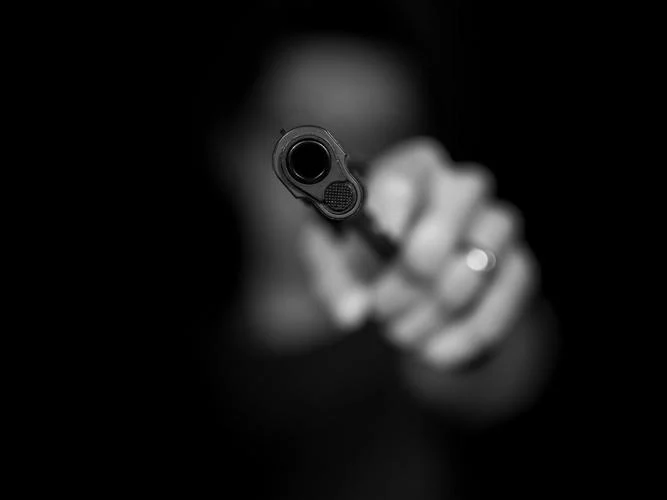
Crime really does rise when darkness falls, reveals new research.
But the risk of some types of offenses - including sex attacks - does not increase at night, according to a British study of data from more than 34,000 crimes.
The findings, published in the journal PLOS One, show that the overall risk of crime rises when darkness falls - but that risk varies depending on the type of crime and geographical area.
Previous research has shown that darkness reduces people’s feelings of safety, and that improved street lighting can help people feel safer being out after dark.
But studies on whether the risk of crime is actually higher after dark had produced inconclusive results.
To help clarify the potential influence of darkness on crime risk, University of Sheffield researchers analyzed data from 34,618 crimes that occurred from 2010 through 2019 in the South Yorkshire region.
Some of the crimes were committed at times of the day that, because of seasonal changes, occur during daylight for part of the year but after dark for the rest of the year.
That enabled the researchers to test whether crime risk at such times of day is greater during daylight hours or after dark.
The research team also statistically accounted for other potentially influential factors, such as weather and holiday periods.
The analysis showed that, overall, crimes were more likely to occur after dark than during daylight.
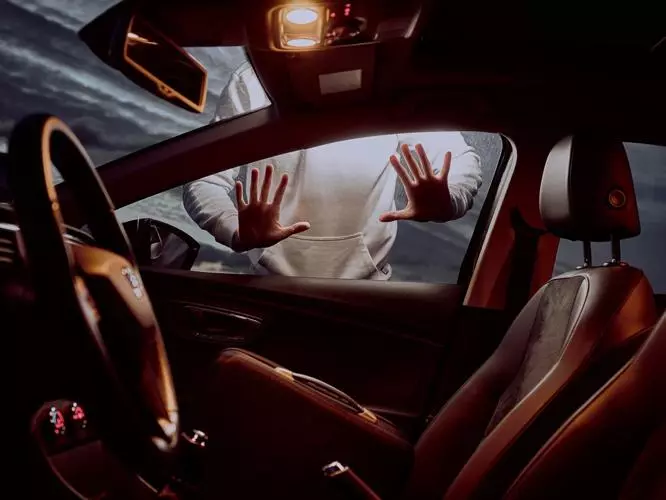
But, out of 14 types of crime analyzed, only five appeared to be significantly more likely to occur after dark: burglary, criminal damage, personal robbery, bicycle theft, and vehicle offenses.

Other crimes - including sexual offenses, arson and shoplifting - did not show the same association.
The analysis also showed that the change in crime risk between daylight and darkness isn’t uniform across all areas in South Yorkshire, with the risk of crime after dark varying by neighbourhood.
The research team concluded that the findings "strongly suggest" darkness affects the risk of crime.
They say information from the study could be used to help optimize the potential crime-reduction effects of streetlights and other artificial lighting.
However, the research didn't account for the presence or absence of street lighting.
Study author Dr. Jim Uttley said, "There is an assumption that street lighting helps reduce crime.
"Evidence in support of this assumption is unclear, though.
"In our research, we took a step back and asked whether darkness itself increases crime risk.
"If it doesn't, the presence or absence of street lighting is unlikely to matter.
"We worked with analysts in South Yorkshire Police to assess changes in the risk of crime taking place in daylight and after dark, using 10 years of crime data.
"Our findings suggest darkness does increase the risk of certain crimes, including burglary, robbery and criminal damage.
"We also found the risk of crime after dark varied by neighborhood."
He added: "We are now working to understand whether street lighting can reduce the risk of crime after dark, and if it can, how we can maximize the crime reduction benefits of street lighting."
By Stephen Beech
Crime really does rise when darkness falls, reveals new research.
But the risk of some types of offenses - including sex attacks - does not increase at night, according to a British study of data from more than 34,000 crimes.
The findings, published in the journal PLOS One, show that the overall risk of crime rises when darkness falls - but that risk varies depending on the type of crime and geographical area.
Previous research has shown that darkness reduces people’s feelings of safety, and that improved street lighting can help people feel safer being out after dark.
But studies on whether the risk of crime is actually higher after dark had produced inconclusive results.
To help clarify the potential influence of darkness on crime risk, University of Sheffield researchers analyzed data from 34,618 crimes that occurred from 2010 through 2019 in the South Yorkshire region.
Some of the crimes were committed at times of the day that, because of seasonal changes, occur during daylight for part of the year but after dark for the rest of the year.
That enabled the researchers to test whether crime risk at such times of day is greater during daylight hours or after dark.
The research team also statistically accounted for other potentially influential factors, such as weather and holiday periods.
The analysis showed that, overall, crimes were more likely to occur after dark than during daylight.
But, out of 14 types of crime analyzed, only five appeared to be significantly more likely to occur after dark: burglary, criminal damage, personal robbery, bicycle theft, and vehicle offenses.
Other crimes - including sexual offenses, arson and shoplifting - did not show the same association.
The analysis also showed that the change in crime risk between daylight and darkness isn’t uniform across all areas in South Yorkshire, with the risk of crime after dark varying by neighbourhood.
The research team concluded that the findings "strongly suggest" darkness affects the risk of crime.
They say information from the study could be used to help optimize the potential crime-reduction effects of streetlights and other artificial lighting.
However, the research didn't account for the presence or absence of street lighting.
Study author Dr. Jim Uttley said, "There is an assumption that street lighting helps reduce crime.
"Evidence in support of this assumption is unclear, though.
"In our research, we took a step back and asked whether darkness itself increases crime risk.
"If it doesn't, the presence or absence of street lighting is unlikely to matter.
"We worked with analysts in South Yorkshire Police to assess changes in the risk of crime taking place in daylight and after dark, using 10 years of crime data.
"Our findings suggest darkness does increase the risk of certain crimes, including burglary, robbery and criminal damage.
"We also found the risk of crime after dark varied by neighborhood."
He added: "We are now working to understand whether street lighting can reduce the risk of crime after dark, and if it can, how we can maximize the crime reduction benefits of street lighting."


